


TLDR
- Delta Air Lines (DAL) shares declined approximately 2% on April 7 following the announcement of increased baggage fees
- Fees for the first and second checked bags increase by $10; third bag fee surges by $50
- Updated pricing becomes effective Wednesday for domestic flights and short-haul international travel
- The fee adjustment responds to escalating jet fuel expenses tied to Middle East conflict affecting oil markets
- Wall Street analysts maintain a Strong Buy consensus on DAL with a mean price target of $80.53
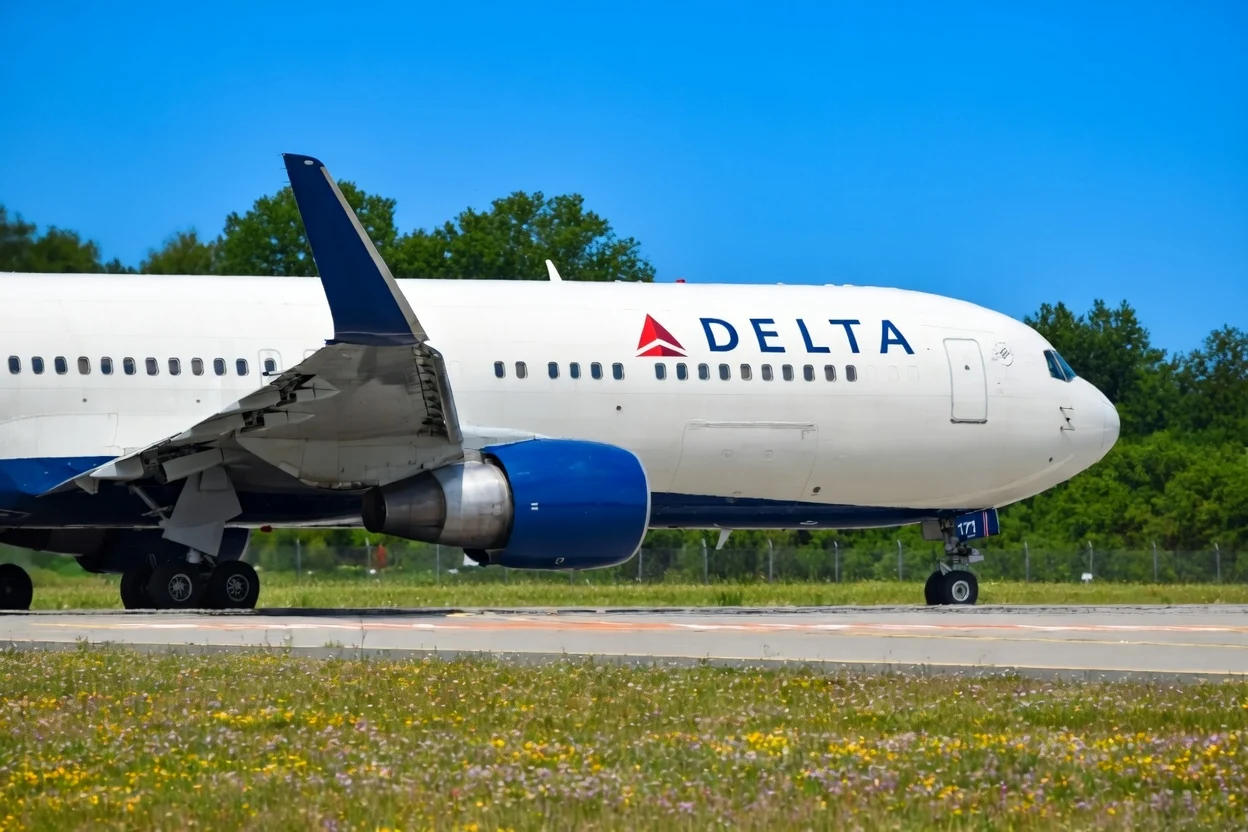
Delta Air Lines implemented a baggage fee increase on Tuesday, marking the carrier’s first adjustment to domestic checked bag pricing in two years. The announcement resulted in DAL shares declining approximately 2% during trading.
The revised fee structure affects domestic routes and certain short-haul international destinations. Passengers will now pay $45 for their first checked bag, $55 for a second bag, and $200 for a third bag — representing a $50 jump from the previous rate. The changes apply to all reservations made beginning April 8.
In a company statement, Delta attributed the decision to “evolving global conditions and industry dynamics.” Translation: jet fuel prices are climbing rapidly.
Crude oil prices have surged past $110 per barrel as ongoing conflict involving Iran spreads throughout the Middle East, constraining oil availability and compressing airline profitability. Jet fuel represents one of the largest expense categories for carriers, and these costs are mounting significantly.
The conflict has impacted crude oil transportation through the Strait of Hormuz, a vital chokepoint for worldwide energy distribution. Airlines are experiencing this pressure through sharply higher fuel expenses.
Delta isn’t navigating these challenges in isolation. JetBlue implemented similar baggage fee increases in recent weeks. United Airlines CEO Scott Kirby has publicly cautioned that ticket prices could climb as much as 20% due to fuel supply constraints linked to the conflict.
Rising Cost Pressures Affecting Airline Profitability
Carriers of all sizes are implementing measures to safeguard profit margins as operational expenses escalate. Adjusting baggage fees represents one of the more immediate actions airlines can take without fundamentally redesigning route networks.
Delta emphasized that loyalty program benefits, premium ticket privileges, and co-branded credit card baggage allowances remain unchanged. Additionally, long-haul international flights are exempt from the new fee structure.
This represents a calculated adjustment focused on mainstream travelers booking domestic and short-haul flights — the highest-volume component of Delta’s operational network.
Wall Street’s Perspective on DAL Stock
While shares dipped following the announcement, Wall Street sentiment toward Delta remains predominantly bullish. Among 18 analysts tracking the stock, 17 have issued Buy recommendations with one Hold rating.
The consensus price target stands at $80.53, suggesting approximately 23% appreciation potential from current trading levels. This indicates analysts view the fee adjustment as a logical operational decision rather than a concerning development.
Delta’s previous domestic baggage fee increase occurred two years ago. The interval highlights the dramatic shift in the cost landscape over a relatively brief period.
The updated fee structure takes effect Wednesday, April 8, for all new reservations.
Get 3 Free Stock Ebooks
Discover top-performing stocks in AI, Crypto, and Technology with expert analysis.
- Top 10 AI Stocks - Leading AI companies
- Top 10 Crypto Stocks - Blockchain leaders
- Top 10 Tech Stocks - Tech giants


