


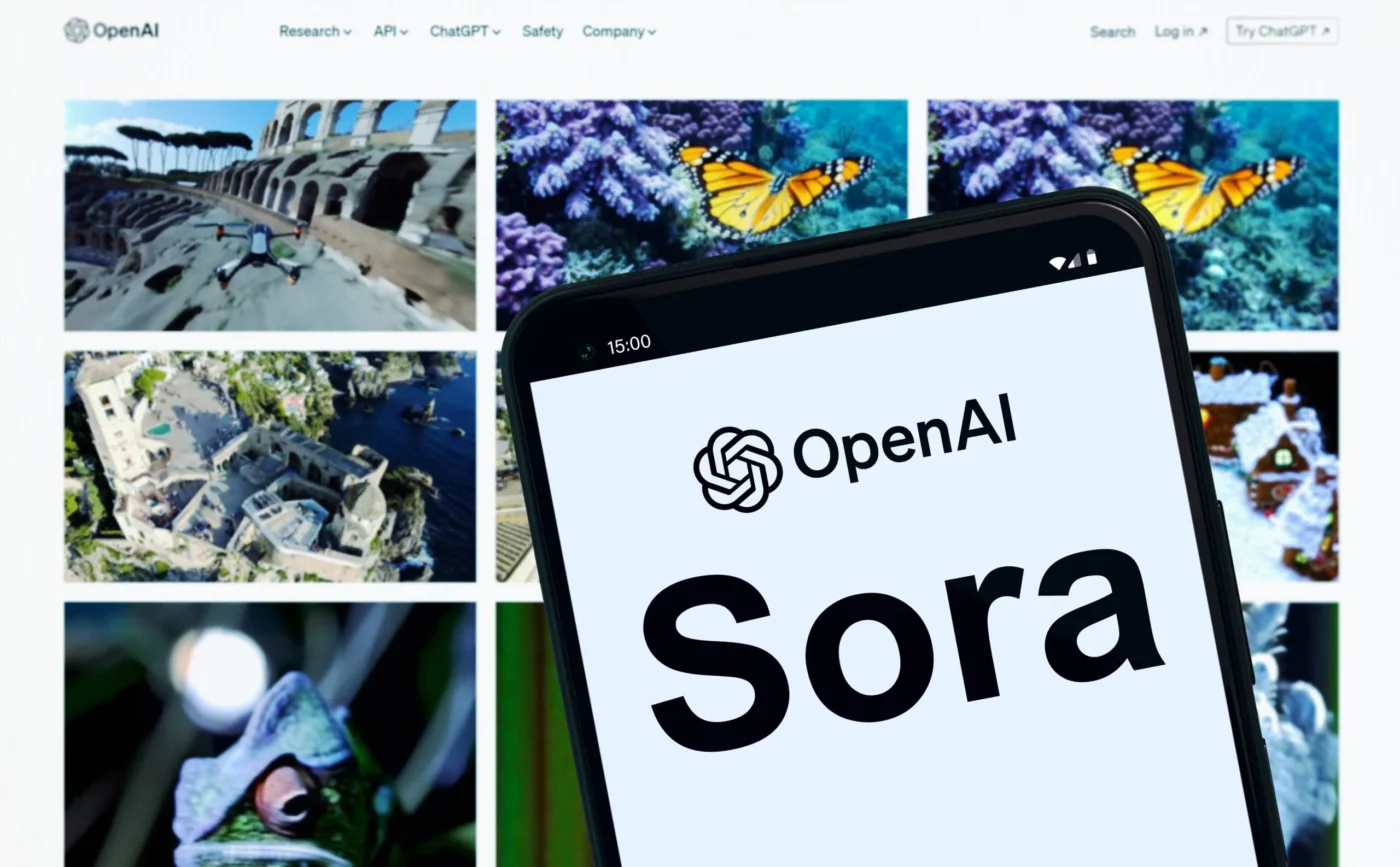
Key Highlights
- OpenAI discontinues video generation platform to concentrate on enterprise offerings
- Platform closure aligns with company’s preparation for potential public offering
- High operational expenses drive decision to eliminate consumer video tool
- Strategic realignment prioritizes scalable business solutions over consumer apps
- Termination demonstrates commitment to sustainable AI infrastructure development
OpenAI has announced the discontinuation of its Sora video generation platform, marking a significant pivot in corporate strategy. This decision underscores the organization’s renewed emphasis on business-focused artificial intelligence products while positioning itself for potential capital markets entry. The platform’s termination represents a calculated move to optimize resource allocation across its technology ecosystem.
Corporate Realignment and Market Positioning
The artificial intelligence leader has recalibrated its product focus away from consumer video applications toward professional coding and enterprise platforms. Consequently, the video generation tool no longer aligns with strategic objectives. Management seeks to optimize operational efficiency in anticipation of a possible stock market introduction.
Internal assessments had previously raised concerns about the platform’s sustainability and strategic fit. Computational resource demands created bottlenecks affecting other development initiatives. Leadership subsequently elected to redirect technical infrastructure toward ventures offering greater commercial potential.
The video platform consumed substantial processing capacity, constraining innovation in alternative product lines. OpenAI has chosen to emphasize solutions with demonstrated market traction and clearer revenue pathways. This recalibration reflects evolving priorities in artificial intelligence commercialization.
Discontinuation Timeline and Developer Implications
Company officials confirmed the platform will cease operations just months following its independent launch. Associated application programming interfaces face similar phase-out schedules. Content creators who integrated the technology into workflows will need alternative solutions.
The application enabled users to produce and manipulate brief video content through natural language instructions. Yet rapid adoption introduced complications including content moderation difficulties and intellectual property disputes. Platform closure simultaneously addresses operational burdens and regulatory compliance issues.
Official technical documentation continued listing related models as operational during announcement periods. However, internal implementation timelines progressed more rapidly than public communications suggested. This discrepancy revealed the expedited nature of executive decision-making.
Market Evolution and Competitive Landscape
OpenAI introduced the video platform in September 2025, achieving notable early user engagement. Mobile distribution and creative sector adoption accelerated quickly. Concerns regarding synthetic media manipulation and unauthorized usage emerged alongside growth.
The organization deployed protective measures including digital watermarking and usage restrictions within the application framework. Nevertheless, pressure from intellectual property stakeholders intensified. Regulatory scrutiny and ethical considerations factored into final determinations.
Market dynamics shifted as competing organizations advanced developer-centric artificial intelligence offerings. The company responded by emphasizing products addressing verified enterprise requirements. Platform termination signals transition toward sustainable infrastructure and foundational technology investments.
The organization continues consolidating capabilities within integrated systems while expanding robotics initiatives. Executive team restructuring supports transformed organizational priorities. Application closure constitutes a definitive action in refining commercial trajectory.


