



Quick Overview
- Bitcoin maintains a trading range between $70,000 and $90,000, attracting sovereign funds and ETF-driven institutional capital
- Ethereum dominates decentralized finance and tokenized asset sectors, benefiting from Layer-2 scaling improvements
- Solana offers rapid transaction processing with minimal costs, driving adoption in consumer applications
- Chainlink serves as the premier oracle solution, bridging blockchain networks with external data sources and traditional finance
- Bittensor represents an emerging decentralized AI infrastructure, compensating participants for machine learning contributions
As the cryptocurrency sector approaches a $2.5 trillion market capitalization in early 2026, investors with longer time horizons are shifting their attention toward blockchain projects demonstrating genuine utility and sustainable value propositions.
This analysis examines five digital assets that market experts identify as having robust underlying fundamentals positioned to endure through future market cycles.
Bitcoin: The Digital Store of Value Gaining Institutional Traction
Bitcoin currently fluctuates within the $67,000 to $68,000 price band. Its programmed maximum supply of 21 million units establishes fundamental scarcity economics.
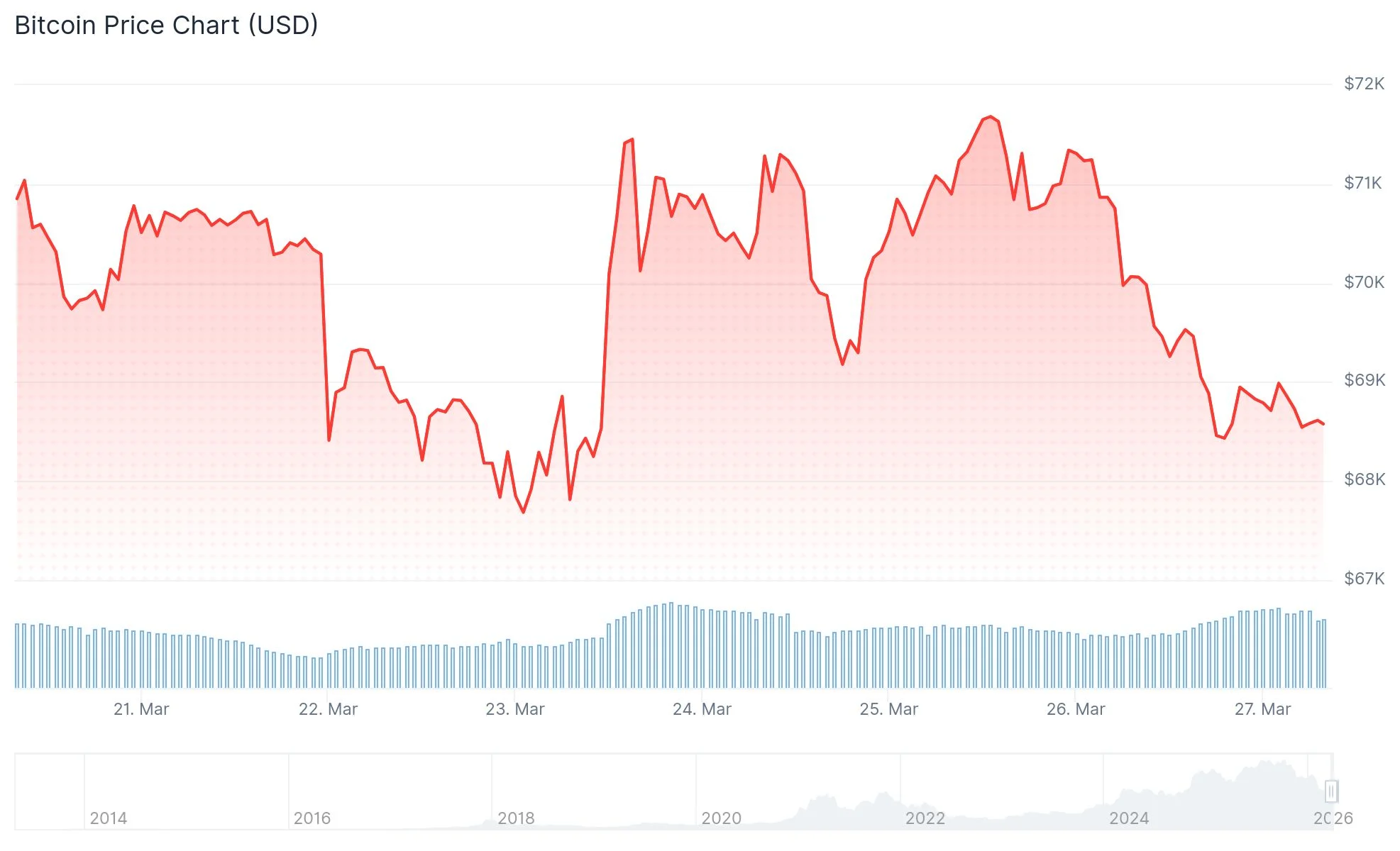
Exchange-traded fund products have recorded substantial capital inflows. National investment entities have incorporated positions, while corporate balance sheet strategies inspired by MicroStrategy’s blueprint have gained wider acceptance.
Bitcoin has evolved into recognition as a macro-level asset class comparable to precious metals. Its function as portfolio protection during periods of economic uncertainty continues drawing sustained institutional allocation.
Ethereum: Dominant Platform for Programmable Finance
Ethereum serves as the foundation for the majority of decentralized finance protocols, alongside stablecoin infrastructure, non-fungible token markets, and tokenized traditional assets.
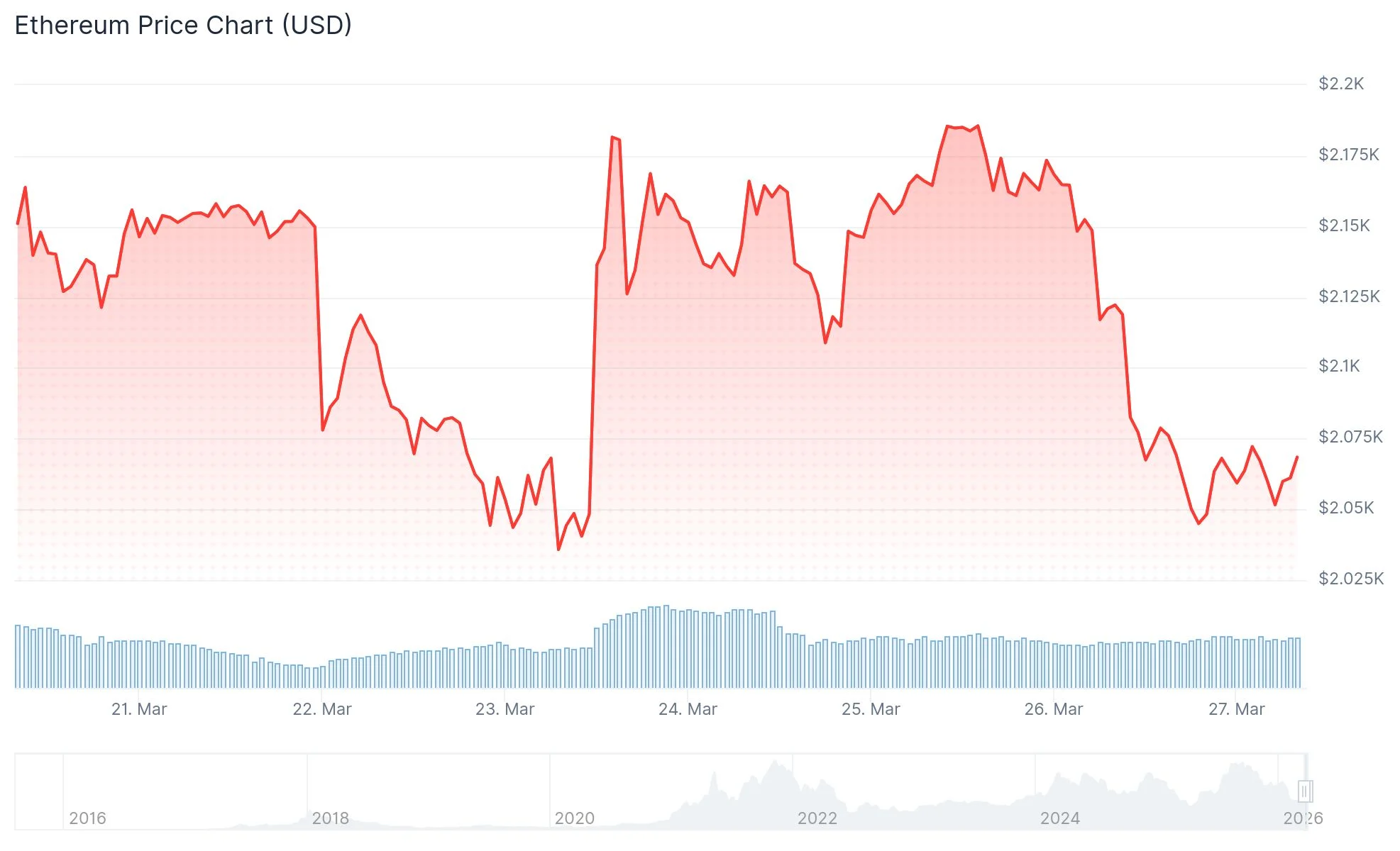
Second-layer scaling technologies have dramatically decreased transaction expenses while expanding network capacity. Proof-of-stake rewards combined with the fee-burning mechanism from EIP-1559 create deflationary tokenomics.
Ether exchange-traded products have maintained steady institutional capital attraction. The platform sustains the most active developer ecosystem among all smart contract networks.
Solana: Performance-Focused Blockchain Infrastructure
Solana processes several thousand transactions every second while maintaining exceptionally low transaction costs. The network has captured users and builders who encountered prohibitive expenses on Ethereum during congested periods.
Rapid expansion has occurred across consumer applications, memecoin ecosystems, and mobile-first cryptocurrency platforms. Earlier stability challenges have been addressed through successive protocol enhancements.
Solana’s valuation remains considerably smaller than Ethereum’s, which certain market observers interpret as potential upside if institutional product availability increases.
Chainlink: Oracle Infrastructure Bridging On-Chain and Off-Chain Systems
Chainlink operates the dominant decentralized oracle platform. The protocol enables smart contracts to access external information including market prices and third-party application programming interfaces.
Its Cross-Chain Interoperability Protocol has achieved deployment across numerous blockchain ecosystems. Chainlink has established collaborations with legacy financial enterprises exploring distributed ledger technology integration.
As the tokenization of traditional assets accelerates, requirement for dependable external data infrastructure like Chainlink’s offerings is projected to expand.
Bittensor: Emerging Decentralized Artificial Intelligence Network
Bittensor operates a permissionless marketplace for artificial intelligence computational resources and algorithmic models. Network participants receive native token compensation for contributing valuable machine learning capacity.
The project remains in nascent development stages and presents elevated risk compared to the other four assets discussed. Developer engagement and market attention have intensified throughout the previous twelve months.
This initiative targets the decentralized artificial intelligence sector, which has garnered increased focus as regulatory bodies examine centralized AI corporation practices.
Overall cryptocurrency market capitalization holds near $2.5 trillion, with Bitcoin and Ethereum comprising the predominant portion of institutional exposure through available ETF vehicles in 2026.
Concluding Analysis
These five blockchain projects represent varying risk profiles, ranging from Bitcoin’s comparative stability to Bittensor’s early-stage uncertainty. Digital assets remain a high-volatility investment category, with valuations capable of significant bidirectional movement. Prospective investors should allocate only capital they can afford to lose entirely and maintain expectations aligned with multi-year holding periods.

