


TLDR
- CEO Scott Kirby cautioned that jet fuel price increases may significantly impact Q1 financial performance, with possible Q2 consequences.
- Fuel costs for airlines have surged 15–20% over the last week amid escalating Middle East tensions.
- Analysts now project United’s Q1 adjusted EPS between 5–22 cents, well below the company’s January forecast of $1–$1.50.
- Shares of UAL have declined approximately 10% since conflict escalation began, dropping 3.6% in Friday’s premarket session.
- Regional carriers face varying exposure: Alaska Air (ALK) faces the highest vulnerability while JetBlue (JBLU) experiences less pressure due to fuel pricing geography.
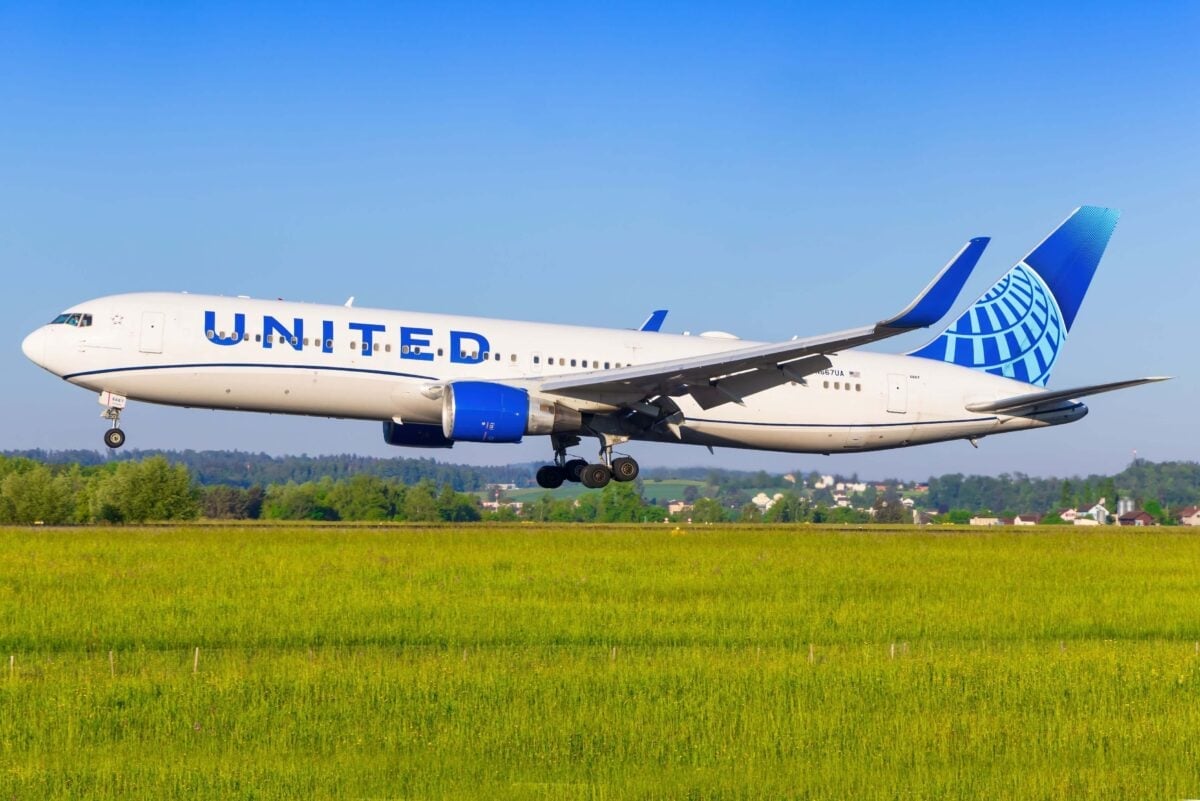
During remarks at Harvard’s John A. Paulson School of Engineering and Applied Sciences on Thursday, United Airlines Chief Executive Scott Kirby delivered a stark warning: escalating jet fuel costs could deliver a substantial blow to the airline’s first-quarter performance, with potential spillover effects into the second quarter if Middle East tensions persist.
United Airlines Holdings, Inc., UAL
While Kirby emphasized that passenger demand continues to hold strong, the fuel situation presents an entirely different challenge for the carrier.
The aviation industry has witnessed jet fuel prices climb 15–20% in just one week. For an industry sector where fuel expenses typically account for roughly one-third of total operating costs under normal circumstances—and can exceed 40% during geopolitical disruptions—this represents a substantial financial headwind.
Modern airlines have largely abandoned fuel hedging strategies due to the complexity of hedging the differential between crude oil and gasoline prices. This decision leaves carriers completely vulnerable to the type of rapid price fluctuations currently unfolding.
Data from Citi Research reveals that crack spreads—the profit margin between crude oil and refined products—have experienced sharp and inconsistent movements. Singapore Jet fuel has climbed more than $3 per gallon in the past week, while NY Jet has increased just over $1.
Regional Exposure Matters
This geographical disparity in fuel pricing means airline carriers face different levels of financial stress. Alaska Air (ALK), with its concentrated West Coast operations, faces maximum exposure to the Singapore-linked price surge. Conversely, JetBlue (JBLU), which primarily operates from New York’s JFK airport, benefits from the relatively smaller increase in NY Jet prices.
The entire airline sector has experienced significant selling pressure. The U.S. Global Jets ETF has declined approximately 6% in the past five trading days, with forecasts suggesting another 3% decline at Friday’s opening bell.
For United in particular, the financial implications are severe. TD Cowen has revised its Q1 adjusted earnings per share estimate for UAL to a range of 5 cents to 22 cents. This represents a dramatic departure from United’s January guidance of $1 to $1.50 per share—a potentially massive shortfall should the lower projections materialize.
UAL Stock Under Pressure
Shares of UAL fell 3.6% during Friday’s premarket trading session. Through Thursday’s closing bell, the stock had already declined roughly 10% since the Iran situation intensified.
The Middle East crisis has also triggered more than 20,000 flight cancellations worldwide, stranding thousands of travelers and adding operational complexity to the financial challenges facing airlines.
United Airlines has not yet issued a statement in response to media inquiries from Reuters regarding the situation.
Kirby’s public remarks constitute one of the most direct acknowledgments from a major U.S. airline executive regarding the financial consequences stemming from the current Middle East geopolitical situation.
The updated TD Cowen projections, which incorporate current fuel price levels, provide the most recent analytical assessment of where United’s first-quarter results are likely to land.
Get 3 Free Stock Ebooks
Discover top-performing stocks in AI, Crypto, and Technology with expert analysis.
- Top 10 AI Stocks - Leading AI companies
- Top 10 Crypto Stocks - Blockchain leaders
- Top 10 Tech Stocks - Tech giants


