


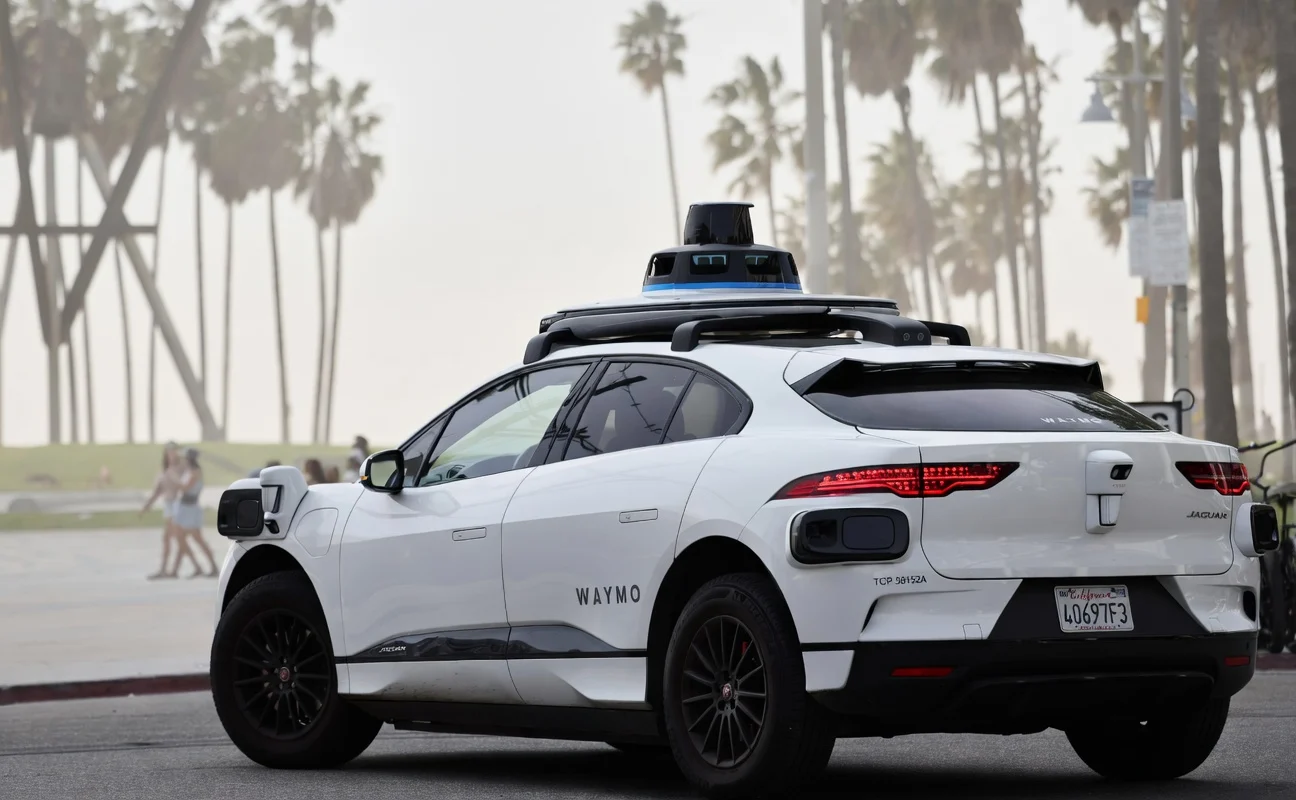
Key Highlights
- Alphabet’s autonomous vehicle division Waymo is finalizing negotiations to secure over $3 billion through its inaugural debt offering, with major lenders such as Pimco, Blackstone, and Sixth Street Partners participating.
- The proposed loan, which lacks a credit rating, may feature an interest rate exceeding 500 basis points over the benchmark.
- Goldman Sachs serves as Waymo’s financial advisor for this transaction, expected to conclude imminently.
- This debt initiative arrives on the heels of Waymo’s massive $16 billion equity fundraising round completed in February 2026, establishing a $126 billion company valuation.
- Waymo aims to deliver one million weekly paid autonomous rides spanning 20 global cities throughout this year.
Waymo is approaching the final stages of securing more than $3 billion through debt financing, representing a watershed moment as Alphabet’s autonomous driving division explores borrowed capital for the first time. Investment giants Pacific Investment Management (Pimco), Blackstone, and Sixth Street Partners are among the primary lenders participating in this landmark transaction, Bloomberg reports.
Financial services powerhouse Goldman Sachs has been retained as Waymo’s advisor throughout this financing arrangement, with closure anticipated in the coming days. Negotiations over specific terms continue, meaning final conditions remain subject to modification.
The financing package is anticipated to lack a formal credit rating and may command pricing exceeding 500 basis points—equivalent to five full percentage points—above the applicable benchmark rate. This positions the loan as a comparatively costly capital source.
Alphabet stock (GOOGL) climbed 0.63% during the reporting period. Analysts maintain a Strong Buy consensus rating on GOOGL shares, establishing a mean price target of $422.96 that suggests approximately 25% appreciation potential.
This debt fundraising emerges mere months following Waymo’s substantial $16 billion equity injection concluded in February 2026, which established the autonomous vehicle company’s valuation at $126 billion—representing nearly triple growth over a span of less than two years.
What prompted this strategic pivot toward debt instruments? The fundamental driver is operational scale. Waymo faces mounting demands as it accelerates deployment of autonomous vehicles while managing substantial AI-driven operating expenses. Equity capital alone has proven insufficient for current growth trajectories.
The autonomous driving platform currently facilitates upward of 500,000 compensated rides weekly throughout 14 American cities. Management has articulated ambitious targets to achieve one million weekly paid journeys across 20 global metropolitan areas before year-end. Meeting these objectives requires deploying substantial robotaxi capacity.
Geographic Expansion Initiatives
Looking beyond American borders, Waymo is orchestrating pilot programs in over a dozen supplementary locations, with both London and Tokyo featured among prospective international markets. Such ambitious geographic expansion necessitates considerable financial resources.
The autonomous ride-hailing sector faces mounting competitive pressure. Waymo confronts direct rivalry from Amazon’s Zoox platform alongside Tesla’s self-driving technology, with the competitive race toward operational scale gathering momentum.
Proprietary Semiconductor Innovation
From a technological perspective, Waymo disclosed last month the successful development of a proprietary semiconductor designed specifically for its autonomous fleet, strategically targeting both cost reduction and enhanced operational performance. Investing in custom hardware development represents another capital-intensive undertaking amplifying the company’s funding requirements.
Neither Waymo nor Goldman Sachs provided responses to Reuters’ inquiries seeking comment. Blackstone, Pimco, and Sixth Street Partners each declined to offer statements.
Throughout its operational history, Waymo has predominantly secured funding through equity investments from Alphabet and external backers. This strategic transition toward debt capital markets underscores the substantial business maturation and escalating capital demands necessary to sustain aggressive expansion objectives.
Financial analysts covering the stock have established a Strong Buy consensus recommendation for GOOGL, derived from 24 Buy ratings alongside four Hold ratings issued during the preceding three-month period. The consensus price target of $422.96 indicates potential upside of approximately 25.4% relative to prevailing market levels.
Get 3 Free Stock Ebooks
Discover top-performing stocks in AI, Crypto, and Technology with expert analysis.
- Top 10 AI Stocks - Leading AI companies
- Top 10 Crypto Stocks - Blockchain leaders
- Top 10 Tech Stocks - Tech giants


