


Key Points
- Traditional shipping companies UPS and FedEx experienced approximately 10% stock declines Monday following Amazon’s major logistics announcement
- The e-commerce giant unveiled “Amazon Supply Chain Services,” opening its delivery infrastructure to external companies
- Amazon now leads the U.S. parcel delivery market by volume, surpassing both legacy carriers
- High-profile brands like Procter & Gamble, 3M, Lands’ End, and American Eagle Outfitters have become early adopters
- Amazon’s stock price rose approximately 1.4% following the announcement
The e-commerce behemoth revealed Monday its decision to make its worldwide logistics infrastructure available to companies beyond its marketplace ecosystem. The announcement triggered a dramatic market response, with UPS and FedEx shares each plummeting approximately 10% — marking their sharpest single-session decline in more than twelve months.
United Parcel Service, Inc., UPS
Market data from Dow Jones shows both delivery giants ranking among the S&P 500’s five weakest performers for the trading session. Representatives from both companies declined to provide statements when contacted.
Meanwhile, Amazon’s stock remained relatively stable, finishing the day with a modest 1.4% gain.
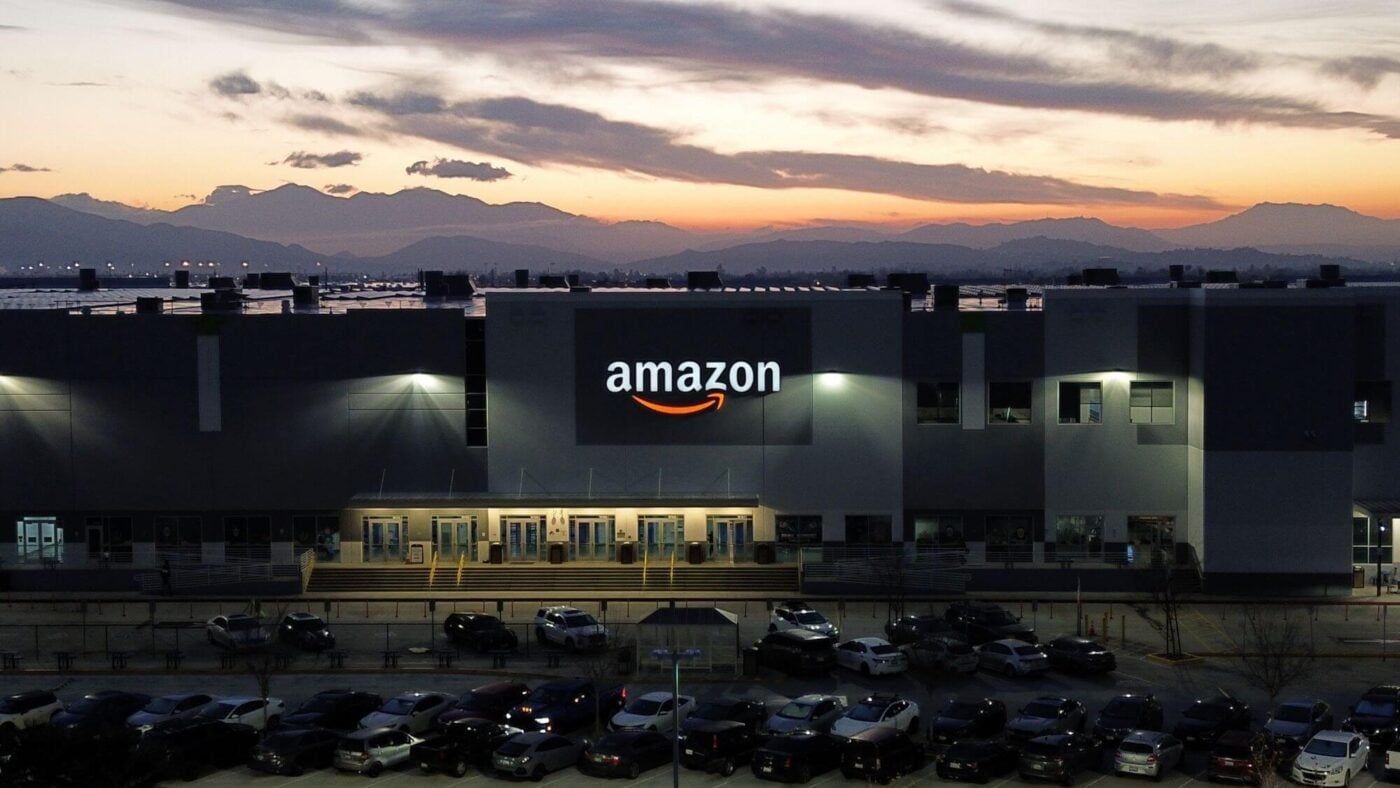
Dubbed “Amazon Supply Chain Services,” this innovative platform enables businesses from diverse sectors to leverage Amazon’s extensive infrastructure for transportation and delivery of both finished goods and raw materials.
Amazon has constructed one of the planet’s most expansive logistics operations throughout the last ten years. The corporation currently maintains a fleet exceeding 100 cargo aircraft alongside an extensive warehouse network spanning multiple continents.
The company has already overtaken UPS and FedEx to become America’s largest parcel delivery provider measured by package volume. This latest initiative sets its sights on the expansive international third-party logistics marketplace.
Amazon characterized this new offering as an opportunity for external businesses to access the identical supply chain architecture it developed for internal operations. The strategy mirrors the company’s approach with cloud computing — transforming proprietary infrastructure into a profitable external service, much like Amazon Web Services.
Several prominent corporations have already embraced the platform. Early participants include industry leaders Procter & Gamble, 3M, Lands’ End, and American Eagle Outfitters.
Traditional Carriers Confront Formidable Competition
UPS stock settled at $96.31, registering a decline exceeding 10% for the session. FedEx concluded trading at $357.80, representing a decrease surpassing 9%.
Both organizations have encountered mounting challenges in recent years as Amazon systematically expanded its proprietary delivery capabilities. Monday’s revelation represents a more confrontational competitive stance, with Amazon now directly pursuing the commercial customers that constitute the foundation of UPS and FedEx’s business models.
The third-party logistics services industry represents a substantial global market. Amazon’s entrance provides businesses with a viable alternative to the two established industry leaders.
Transforming Infrastructure Into Revenue
Amazon’s logistics expansion mirrors the strategic framework employed with its cloud computing division. The company developed infrastructure to support internal requirements, subsequently monetizing it by offering access to external customers.
Amazon Web Services has evolved into one of the corporation’s most lucrative segments. Management evidently envisions replicating this success within the logistics sector.
The Wall Street Journal initially broke this story Monday morning. Amazon has yet to publicly disclose pricing structures for the new platform.
Get 3 Free Stock Ebooks
Discover top-performing stocks in AI, Crypto, and Technology with expert analysis.
- Top 10 AI Stocks - Leading AI companies
- Top 10 Crypto Stocks - Blockchain leaders
- Top 10 Tech Stocks - Tech giants


