



Key Takeaways
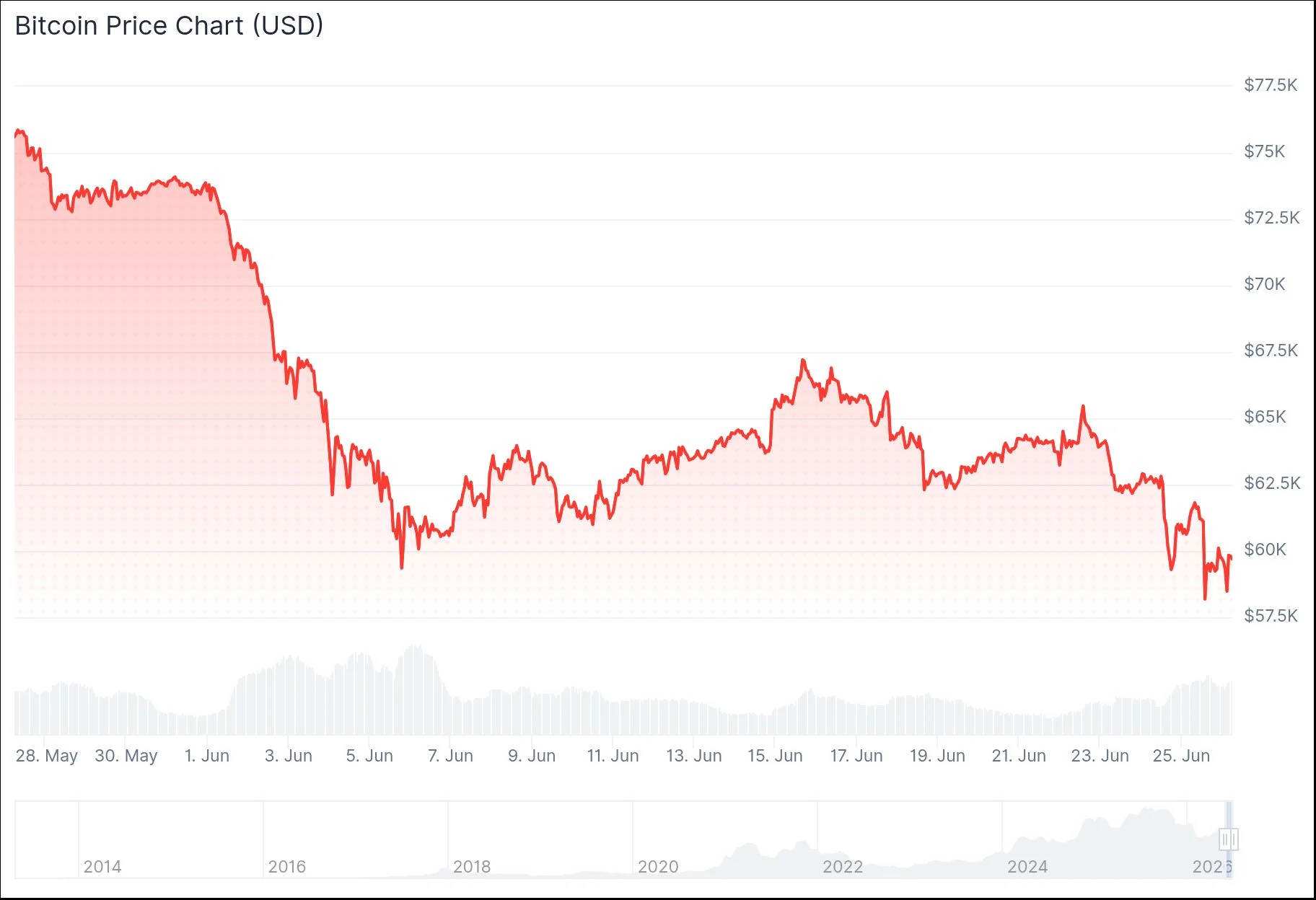
- Bitcoin (BTC) plunged 9% over a three-day period, marking its lowest price point since September 2024
- The PCE inflation metric jumped to 4.1% year-over-year, the highest reading since April 2023, reinforcing expectations for tighter monetary policy
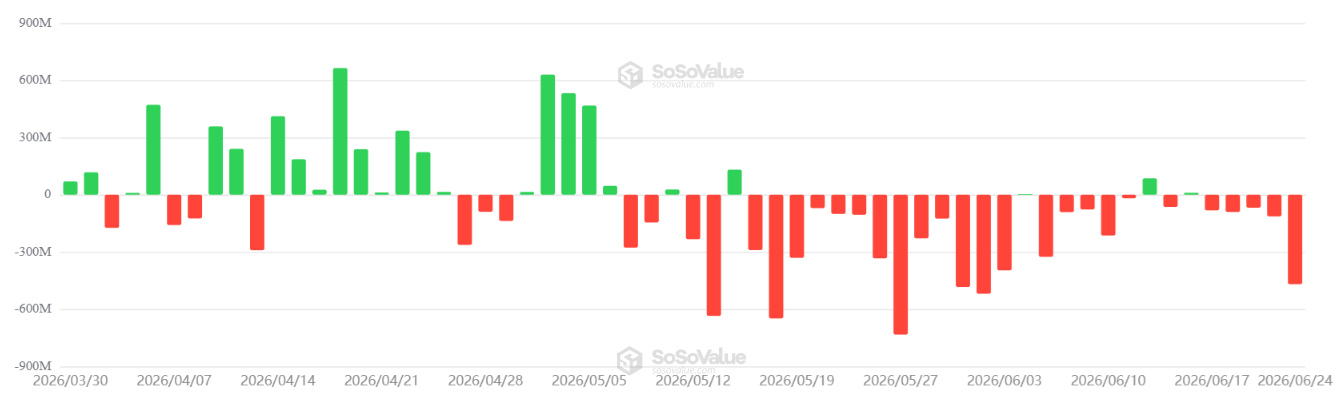
- Bitcoin spot ETFs recorded $469 million in net withdrawals on Wednesday, the largest single-day exodus in months
- A massive $13 billion options contract expiration is heavily weighted toward bearish positions
- MicroStrategy (MSTR) faces substantial unrealized losses on its $64.1 billion Bitcoin holdings
Bitcoin slipped beneath the $60,000 threshold on Thursday following the release of the Federal Reserve’s preferred inflation measure, which reached its most elevated level since 2023. This decline followed a turbulent period that witnessed BTC shedding 9% of its value across just three trading sessions, reaching depths not visited since September 2024.
The core Personal Consumption Expenditures (PCE) price index advanced 3.4% on an annual basis, representing the most significant increase since October 2023. Meanwhile, the headline PCE figure registered a 4.1% year-over-year climb. These figures reinforced market anticipation that interest rate increases remain a realistic policy option.
Market participants now assign an 80% probability to a US interest rate hike materializing by December, a notable increase from the 68% odds calculated just thirty days earlier, based on CME FedWatch Tool data. Elevated interest rates typically create headwinds for non-yielding assets such as Bitcoin.
The brief touch of the $58,000 price level sparked over $1 billion in forced liquidations across leveraged Bitcoin trading positions. While Bitcoin staged a modest recovery toward $59,500, the prevailing market sentiment remained decidedly cautious.
Trading analyst Daan Crypto Trades shared on X that bullish traders “have a big job to do,” cautioning that a closing price beneath the established range floor would constitute a verified technical breakdown. He emphasized that with MicroStrategy and MSTR establishing fresh lows on a daily basis, a higher timeframe breakdown in Bitcoin would intensify existing downward momentum.
Spot ETF Withdrawals Reflect Weakening Appetite
Bitcoin spot exchange-traded funds experienced $469 million in net capital outflows on Wednesday, representing their most substantial single-session withdrawal since early June. The products were tracking toward their seventh consecutive week of negative flows.
Data from Glassnode revealed Bitcoin trading at a negative premium on Coinbase relative to international pricing benchmarks, indicating subdued retail participation from United States-based investors.
Meanwhile, institutional capital appeared to be migrating toward artificial intelligence-focused equities. Micron Technology surged 16% following robust quarterly financial results. Western Digital climbed 18% while Applied Materials registered a 10% advance.
Derivatives Positioning Tilts Bearish Ahead of Expiry
A $13 billion Bitcoin options expiration scheduled for Friday displayed pronounced bearish positioning. Approximately 78% of call options carried strike prices at $72,000 or higher, indicating that the majority of bullish derivative contracts face worthless expiration.
Open interest in put options on Deribit will surpass call options by $3.4 billion when contracts settle.
Market analyst Ted Pillows highlighted two concentrated short-side liquidity zones developing at the $62,000 and $63,500 levels, suggesting Bitcoin may probe both price points before any potential resumption of the downward trajectory.
MicroStrategy (MSTR) currently holds unrealized losses across its $64.1 billion Bitcoin portfolio, which the company has accumulated since 2020. The firm’s equity shares have been establishing new lows in tandem with BTC price declines.

