



TLDR
- Crude markets declined Tuesday despite continued Middle East tensions, as regional export volumes remained robust.
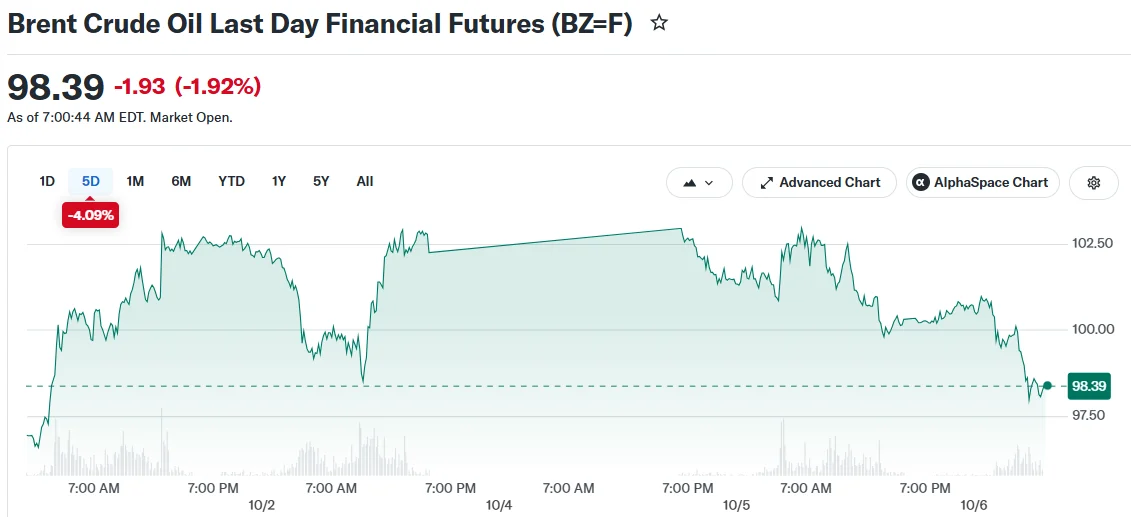
- Brent futures retreated to approximately $100.17 per barrel, with WTI sliding to roughly $88.67 per barrel.
- Shipping data revealed Gulf producers exceeded pre-conflict export volumes on multiple days in late September.
- G7 nations committed to releasing 100 million barrels from strategic petroleum reserves, combining diesel and crude.
- Refined product markets remain constrained due to regional refinery damage, creating a disconnect from crude market dynamics.
Oil prices retreated on Tuesday after fresh data revealed Middle East crude shipments have remained resilient throughout the ongoing regional turmoil.
Brent crude futures declined modestly to $100.17 per barrel during morning trading. U.S. West Texas Intermediate crude experienced a steeper decline, settling around $88.67 per barrel.
According to shipping intelligence from Kpler, Gulf region producers transported higher-than-anticipated crude volumes throughout the previous month. The seven-day moving average for regional exports climbed to 18.3 million barrels daily by September 30.
Export figures from the Gulf exceeded pre-Iran war baseline levels on 14 separate days throughout September. This resilience emerged despite persistent security threats facing tanker traffic navigating the region.
Strait of Hormuz Remains a Flashpoint
Following the war’s outbreak in late February, Iran effectively halted the majority of commercial traffic transiting the Strait of Hormuz. Approximately 20% of global petroleum and natural gas supplies historically flowed through this critical chokepoint.
Fighting has subsequently expanded into additional theaters, notably Yemen. Iranian-supported Houthi militias and Saudi-aligned forces are currently battling over the Bab el Mandeb Strait, representing another vital maritime corridor.
Monday brought fresh reports of another attempted strike on Saudi Arabia’s east-west pipeline infrastructure. While the pipeline escaped damage, market analysts noted the incident underscores continuing vulnerability of regional energy infrastructure.
Fuel Products Stay Tight Despite Crude Gains
The Wall Street Journal noted that despite improved crude oil flows, refined petroleum products haven’t experienced comparable supply improvements. Gasoline and diesel distribution networks remain constrained.
Regional refinery infrastructure damage continues limiting fuel availability. This supply bottleneck has sustained elevated pricing for these products, creating market dynamics independent from crude oil trends.
Monetary authorities worldwide continue monitoring energy market developments. Elevated fuel costs contribute to broader inflation pressures, directly influencing central bank policy decisions.
Financial policymakers anticipate increasing borrowing costs throughout upcoming months should fuel prices maintain current trajectories. Energy market conditions remain central to these monetary policy deliberations.
The G7 coalition’s commitment has provided some market reassurance. Member nations plan coordinated releases totaling 100 million barrels, comprising both diesel and crude oil from strategic stockpiles.
G7 members additionally committed to maintaining open energy export policies. This agreement followed diplomatic pressure from President Donald Trump.
A separate Tuesday trading update showed WTI crude December contracts declining 1.69%, settling at $87.92 per barrel. Brent crude December futures dropped 1.24%, closing at $99.08 per barrel.
Middle East crude shipments surpassed pre-conflict benchmarks on four occasions during September’s final week. This performance demonstrated ongoing supply chain adaptability despite documented attacks on commercial vessels transiting the Strait of Hormuz.
Get 3 Free Stock Ebooks
Discover top-performing stocks in AI, Crypto, and Technology with expert analysis.
- Top 10 AI Stocks - Leading AI companies
- Top 10 Crypto Stocks - Blockchain leaders
- Top 10 Tech Stocks - Tech giants


