


TLDR
- BYD second-quarter profit rises 30% as overseas EV sales strengthen margins.
- Overseas vehicle sales jump nearly 68%, giving BYD stronger earnings support.
- BYDDF falls 1.98% even as quarterly profit returns to year-over-year growth.
- China demand stays weak, but export growth helps improve BYD profitability.
- BYD boosts R&D and global expansion as overseas markets drive stronger margins.
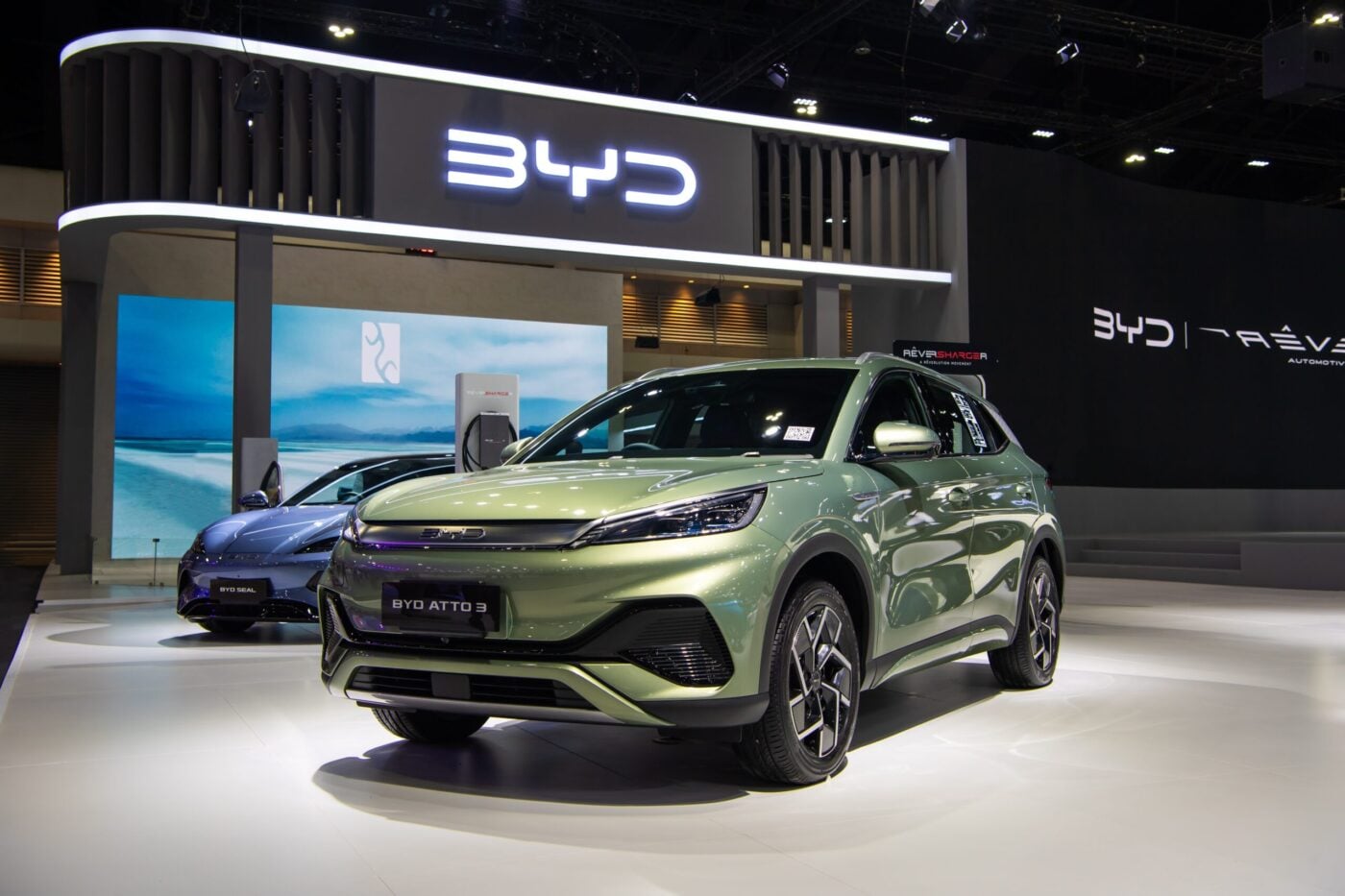
BYD Company Limited (BYDDF) fell 1.98% to $11.40 after the automaker released mixed first-half results. However, second-quarter profit returned to growth after four straight declines, supported by strong overseas vehicle sales. Export momentum improved margins, while weak Chinese demand and fierce price competition continued to limit broader earnings growth.
BYD Second-Quarter Profit Returns to Growth
BYD reported second-quarter net profit of 8.2 billion yuan, up 30% from a year earlier. The increase ended four consecutive quarterly declines and reversed the 55% profit drop reported in the first quarter. However, the result missed major bank forecasts, which had indicated average second-quarter profit growth near 48%.
Second-quarter revenue declined 3.2% to 194.6 billion yuan, extending the company’s revenue contraction for another quarter. Still, the decline improved from the 12% fall recorded during the first three months of 2026. A stronger overseas sales mix supported margins and helped profit rise despite lower quarterly revenue.
For the first half, BYD generated 344.82 billion yuan in revenue and 12.33 billion yuan in net profit. Revenue fell 7.13% year over year, while attributable net profit declined 20.54% during the period. Meanwhile, operating cash flow rose 17.3% to 37.34 billion yuan, and cash reserves reached 167.4 billion yuan.
Overseas EV Sales Surge Nearly 68%
BYD exported about 792,000 vehicles in the first half, rising nearly 68% from a year earlier. Exports represented about 44% of total vehicle sales, reducing the company’s dependence on its weaker domestic market. Second-quarter overseas sales reached 471,091 units, up 82.46% year over year and 46.68% from the previous quarter.
Export growth also supported profitability, with first-half gross margin rising to 18.85% from 18.01% last year. BYD’s overseas business posted a 22% gross margin as operating revenue from those markets increased 34%. That improvement helped offset weaker pricing in China and rising costs linked to the company’s global expansion.
BYD continued expanding in Europe and Southeast Asia and recently entered Japan’s popular mini-car segment. Meanwhile, combined sales from Denza, Fang Cheng Bao, and Yangwang increased 61% during the first half. Those premium brands represented 12.8% of passenger vehicle sales, supporting a stronger product mix.
China Competition Keeps Pressure on BYDDF Stock
BYD sold 1,808,511 new energy vehicles in the first half, down 15.72% from a year earlier. However, second-quarter sales declined only 3.24%, compared with a 30.01% drop during the first quarter. July sales then rose 21.76% to 419,211 vehicles, marking the third consecutive month of annual growth.
Chinese demand remained weak as lower trade-in support, property weakness, and income concerns affected vehicle purchases. At the same time, heavy price competition continued to pressure domestic margins across the electric vehicle market. Overseas expansion also increased spending on tariffs, marketing, research, logistics, and longer inventory cycles.
BYD invested 28.9 billion yuan in research and development during the first half, exceeding twice its net profit. The company has now spent more than 270 billion yuan on research while advancing battery and charging technologies. BYD also reached 10,000 flash charging stations, while energy storage orders remain scheduled through 2028.
Get 3 Free Stock Ebooks
Discover top-performing stocks in AI, Crypto, and Technology with expert analysis.
- Top 10 AI Stocks - Leading AI companies
- Top 10 Crypto Stocks - Blockchain leaders
- Top 10 Tech Stocks - Tech giants


