


TLDR
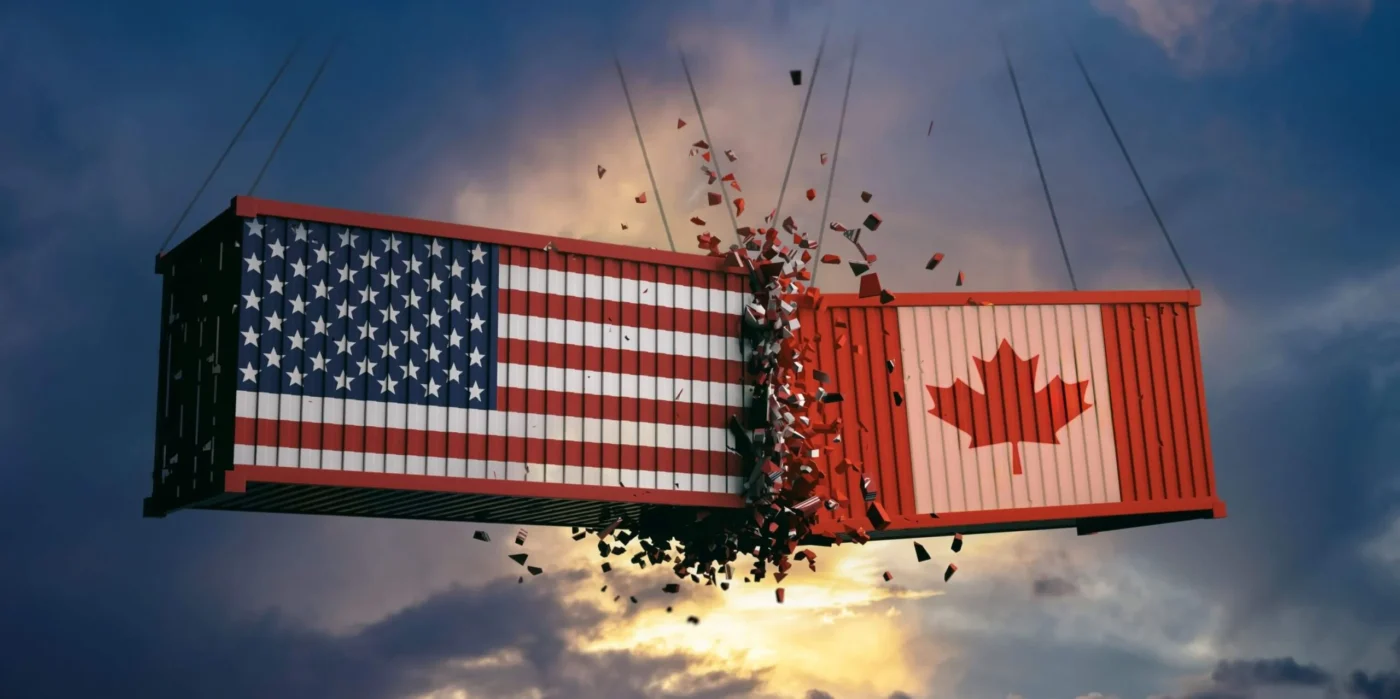
- Ottawa rolled out tariffs reaching 50% on approximately C$28 billion in American exports, targeting cheese, honey, aluminum foil, steel products, and furniture
- This represents proportional retaliation for Trump’s August tariffs of 50% imposed on Canadian dairy products, alcoholic beverages, and hockey equipment
- Bilateral negotiations broke down in August’s final days with no future discussions on the calendar
- Trump issued warnings that Bombardier could be barred from US markets without relocating production facilities
- Canadian employment figures showed a loss of approximately 41,000 positions in August amid escalating trade tensions
Starting Tuesday at midnight, Canada’s counter-tariffs on American exports officially began, affecting approximately C$28 billion ($20 billion) in US-made products. Among the targeted goods: cheese facing 25% duties, honey hit with 50%, aluminum foil at 50%, plus steel products, furniture items, and cotton apparel.
Ottawa’s latest measures directly counter the 50% duties Trump placed on Canadian exports in August, which targeted dairy products, alcoholic beverages, fragrances, and hockey equipment. Those August actions were Trump’s answer to Canada’s earlier retaliatory duties on American automobiles and trucks.
This tit-for-tat escalation has been intensifying over recent months. Bilateral negotiations between Washington and Ottawa fell apart in August’s closing weeks, with no indication either nation plans to resume discussions.
Canadian Prime Minister Mark Carney expressed Ottawa’s willingness to negotiate an agreement that would be “durable” and equitable for both nations. However, US Trade Representative Jamieson Greer stated the responsibility now rests with Canada following what he characterized as America’s optimal offer.
The bilateral commercial relationship between Canada and the United States represents the planet’s largest, with approximately $900 billion in trade during 2025. This historic partnership now faces unprecedented pressure.
Bombardier Threat and Economic Fallout
Trump intensified the dispute Monday by posting on Truth Social that Canadian aircraft manufacturer Bombardier faces potential exclusion from American markets unless it relocates production operations to US territory.
Bombardier generates more than C$7 billion in annual GDP contributions to Canada’s economy, positioning it among the nation’s largest corporate entities. A potential American market ban would create significant ripple effects throughout Canada’s economic landscape.
Ottawa made a final modification before implementing the tariffs. Seafood products including fresh fish and lobster were excluded following objections from Canada’s fishing sector. The lobster industry particularly exemplifies cross-border integration, with American fishermen’s catches frequently processed at Canadian facilities before returning to US markets.
Economic analysts caution that the new duties will increase costs for Canadian consumers across everyday necessities including food products, apparel, and home furnishings.
The Canadian Chamber of Commerce has counseled the government regarding escalation risks. President Candace Laing acknowledged business community support for retaliatory measures while expressing concern about indefinite trade conflicts.
Canada’s economic performance appeared resilient before this latest development. Second-quarter GDP registered 3.3% growth, while employment expanded by 181,000 positions from April through July.
August’s data painted a contrasting picture. Approximately 41,000 jobs disappeared during that month, coinciding with the implementation of fresh American tariffs and the collapse of bilateral negotiations.
Canada has simultaneously been redirecting its export focus beyond American markets. By July, the proportion of Canadian exports destined for the United States declined to 66%, compared to the pre-trade war average of 75%.
Trump’s weekend Truth Social activity included posting imagery depicting Canada, Mexico, and Greenland overlaid with American flag graphics, plus commentary labeling Canada’s currency exchange rate versus the dollar as “unacceptable.”
Carney has previously condemned the United States for “doing memes” and “throwing shade,” while establishing trade relationship diversification as a central policy priority.
Get 3 Free Stock Ebooks
Discover top-performing stocks in AI, Crypto, and Technology with expert analysis.
- Top 10 AI Stocks - Leading AI companies
- Top 10 Crypto Stocks - Blockchain leaders
- Top 10 Tech Stocks - Tech giants


