


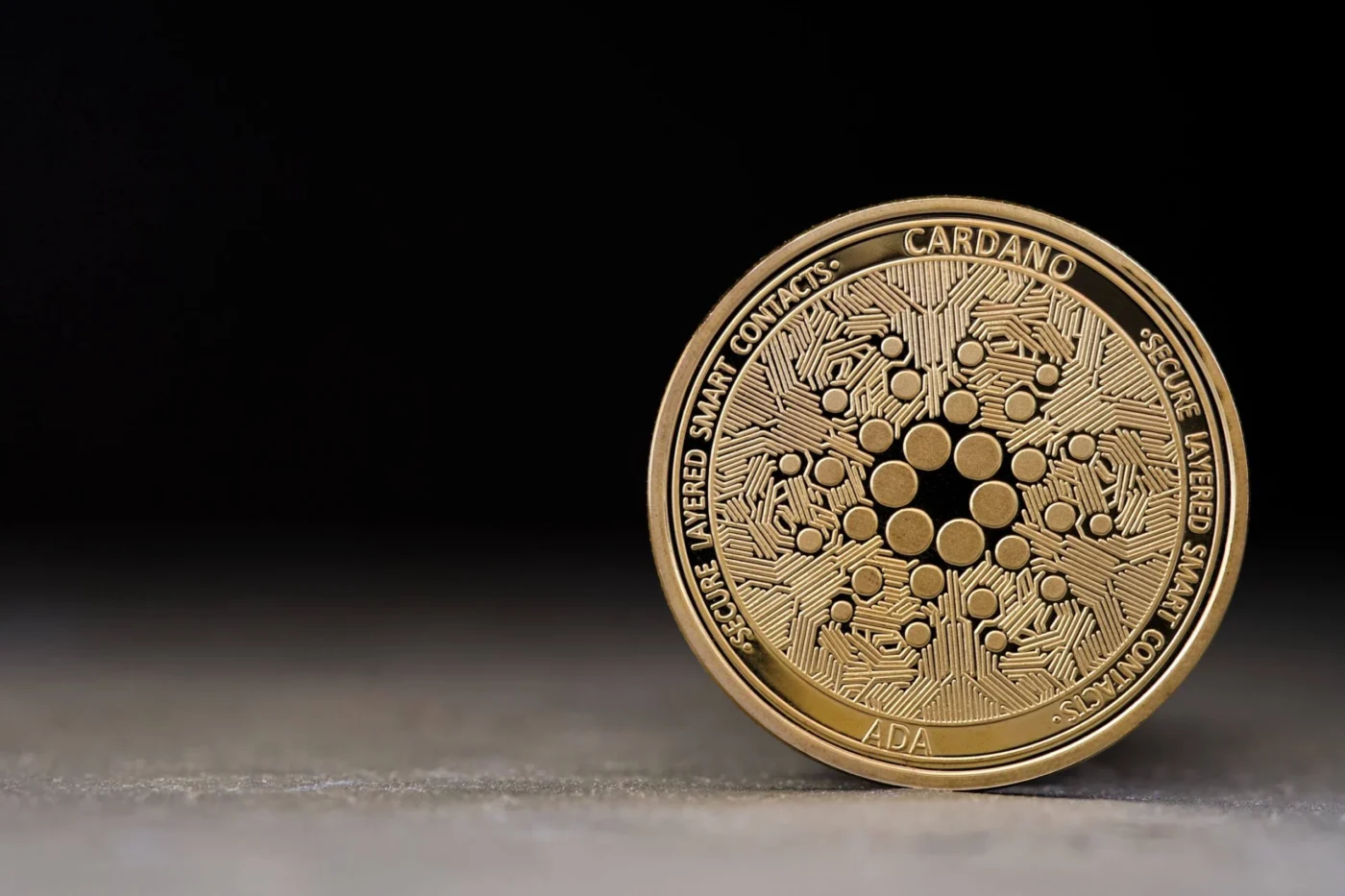
Key Points
- Cardano Foundation withdraws plans for 2026 summit following unsuccessful treasury funding vote that missed supermajority requirement
- Modified funding request for 7.8 million ADA (approximately $2 million) achieved 65.21% approval, falling 1.46% below the mandatory 66.67% threshold
- Initial funding proposal sought 14 million ADA (roughly $3.66 million) but faced rejection in May, prompting a reduced resubmission
- EMURGO’s independent TOKEN2049 Singapore conference proposal successfully passed, ensuring Cardano representation at the October gathering
- The outcome highlights growing resistance among Cardano’s delegated representatives toward treasury expenditures by founding entities
The Cardano Foundation has officially withdrawn its 2026 annual summit following a governance vote that came agonizingly close but ultimately failed to authorize necessary treasury funding.
Scheduled for October 5-6 in Singapore, the summit required 7.8 million Cardano tokens—valued at approximately $2 million—to proceed. The voting period concluded on Friday, May 29.
Approval Falls Fractionally Below Supermajority
Cardano’s governance framework mandates that treasury fund releases achieve a two-thirds supermajority from delegated representative (DRep) stake. The proposal garnered 65.21% backing—missing the mark by a mere 1.46 percentage points.
When examining individual votes, 135 delegates supported the measure, 61 opposed it, and 24 chose to abstain. Despite receiving Constitutional Committee endorsement, the proposal couldn’t overcome the network’s stringent voting requirements.
Following the vote’s conclusion, the Cardano Foundation shared on X: “Governance requires not only participation, but also a commitment to accept collective decisions. The Cardano community has spoken and we respect the outcome.”
The organization confirmed it would immediately begin discontinuing summit preparations.
Second Rejection Following Budget Reduction
This marked the proposal’s second unsuccessful attempt. The original May submission requested 14 million ADA—worth approximately $3.66 million—and combined summit funding with an EMURGO-led TOKEN2049 sponsorship. That consolidated proposal secured just 10% DRep backing.
Responding to the rejection, the foundation separated both events, reduced the budget by over 20%, and incorporated audited financial management, milestone-based payment releases, and an independent oversight committee.
Cardano creator Charles Hoskinson and foundation CEO Frederik Gregaard both publicly campaigned for DReps to support the modified proposal in the final hours before voting ended. Notably, the foundation refrained from casting votes on its own request, stating it wanted to avoid influencing the decision.
The separation strategy yielded one positive outcome. EMURGO’s standalone TOKEN2049 proposal received approval independently, guaranteeing Cardano participation at the Singapore cryptocurrency conference on October 7-8. The foundation supported EMURGO’s proposal.
Hoskinson has indicated he’s considering expanding the TOKEN2049 booth presence and potentially organizing a smaller embedded MiniSummit alongside it.
Escalating Treasury Spending Disputes Within Cardano Ecosystem
This unsuccessful vote represents a broader 2026 trend. Cardano’s delegated representatives have consistently rejected multiple treasury requests associated with Hoskinson, EMURGO, and Input Output Global, including reduced funding allocations connected to the Leios mainnet advancement.
Cardano’s token maintains an $8.8 billion market capitalization. The network currently holds under $129 million in total value locked, positioning it 28th among blockchain platforms.
Throughout 2026, the network has produced $356,400 in fees, compared with $8.35 million across the entire 2022 calendar year.
As of Sunday, Cardano’s token traded near $0.233, reflecting approximately 5% decline over the preceding month.

