


TLDR
- Shares plummet 13% following quarterly loss and deteriorating financial performance
- Used vehicle retail sales decline amid softening consumer demand
- Gross profit per unit drops significantly amid competitive pricing pressures
- Goodwill impairment charge of $141.3 million impacts bottom line
- Operating expenses remain elevated despite revenue challenges
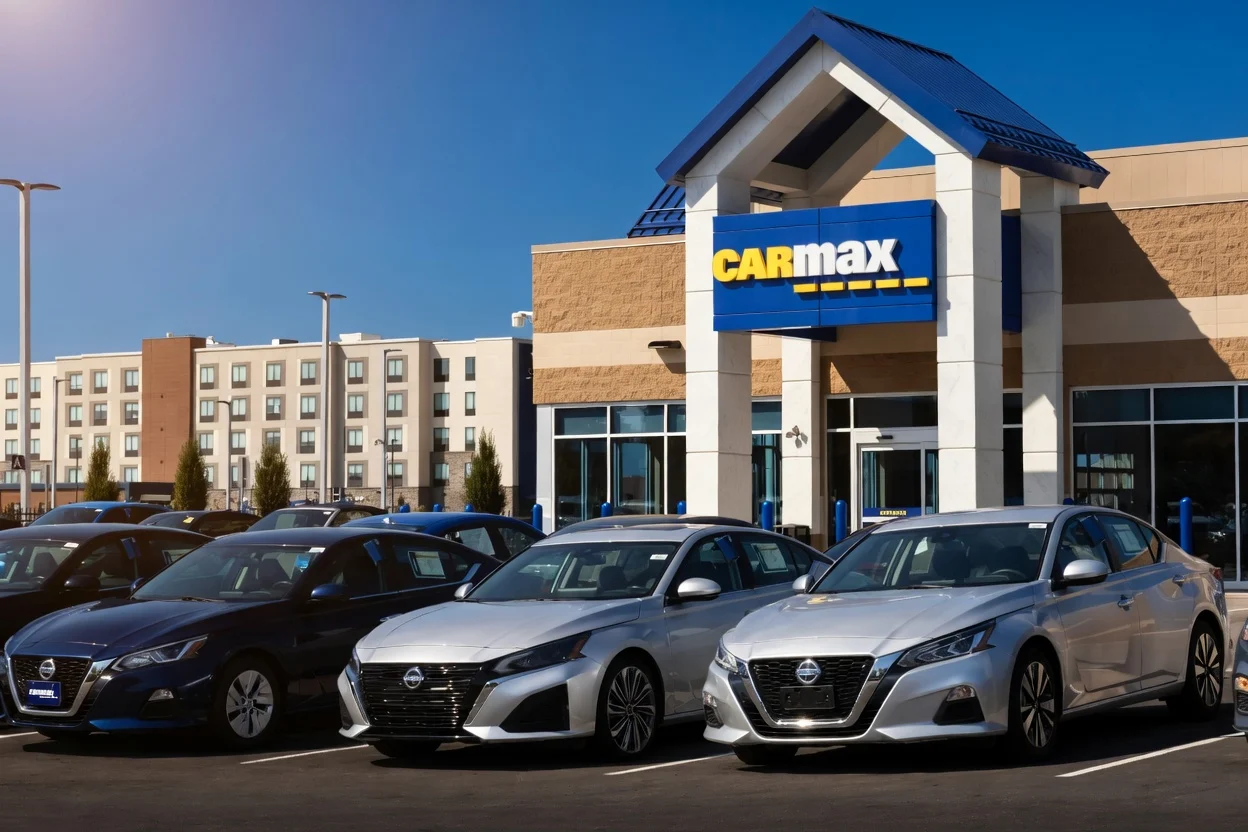
Shares of CarMax, Inc. (KMX) experienced a significant downturn, plummeting to $42.54 with a 13.33% decline as investors reacted to disappointing quarterly results. The used car retailer’s performance revealed substantial challenges including a quarterly loss, deteriorating sales momentum, and persistent cost pressures. Additionally, a substantial goodwill impairment further exacerbated the negative investor sentiment.
Quarterly Loss and Goodwill Write-Down Impact Performance
CarMax posted a net loss of $120.7 million during the fourth quarter ending February 2026. This represents a stark reversal from the $89.9 million in net income generated during the same period one year prior. The per-share loss stood at $0.85 on a diluted basis, marking a substantial deterioration in financial health.
A non-cash goodwill impairment totaling $141.3 million was recorded in the period. Management attributed this charge to reduced market capitalization and revised financial projections pointing to weaker future performance. The write-down significantly contributed to the overall loss for the quarter.
When excluding the impairment and restructuring expenses, adjusted earnings came to $0.34 per share. Nevertheless, this figure represented a decline compared to the prior year’s adjusted results. Core profitability metrics continued showing weakness even after accounting adjustments.
Used Vehicle Sales Decline and Profitability Per Unit Shrinks
Retail used vehicle unit sales totaled 181,188 during the quarter, representing a 0.8% decrease year-over-year. On a comparable store basis, sales deteriorated further with a 1.9% decline, suggesting weakened traffic and conversion. Total retail revenue contracted 1.2% as both volume and average selling prices faced headwinds.
Gross profit generated per retail vehicle unit fell to $2,115, down $207 compared to the previous year’s quarter. The company implemented pricing strategies to stimulate sales activity in a competitive environment. Consequently, retail profit margins experienced notable compression throughout the period.
Wholesale operations saw unit sales grow 3.0%, offering some offset to retail weakness. However, gross profit per wholesale unit declined $105 to $940. The margin deterioration negated much of the benefit from increased wholesale volume.
Expense Pressures and Finance Operations Challenges
Overall gross profit contracted 9.4% to $605.3 million, demonstrating widespread margin deterioration. Conversely, selling, general, and administrative expenses held steady at $611.3 million, creating greater cost pressure relative to revenue. SG&A expenses exceeded gross profit, reaching 101% of gross profit for the period.
CarMax Auto Finance contributed $143.7 million in income, down 9.8% from the prior year quarter. The decrease stemmed from lower outstanding loan balances and increased credit loss provisioning. Growing exposure to subprime borrowers introduced additional financial risk in the near term.
The company raised its annual cost reduction goal to $200 million to be achieved by fiscal year 2027. Leadership implemented workforce reductions and organizational restructuring initiatives to enhance operational efficiency. Despite these measures, profitability stabilization remains elusive.
Get 3 Free Stock Ebooks
Discover top-performing stocks in AI, Crypto, and Technology with expert analysis.
- Top 10 AI Stocks - Leading AI companies
- Top 10 Crypto Stocks - Blockchain leaders
- Top 10 Tech Stocks - Tech giants



