



Key Highlights
- Brent crude climbed 0.9% to reach $89.28 per barrel on Monday following a 5%+ weekly gain
- Strait of Hormuz shipping has collapsed due to Iranian strikes on commercial tankers
- Daily vessel count plummeted from over 130 ships to just five on Saturday, reaching zero on Sunday
- Negotiations between Iran and Oman continue regarding strait management, excluding U.S. participation
- OPEC and IEA both reduced their 2026 global oil demand projections last week
Crude oil markets extended their upward momentum on Monday, driven by escalating concerns over Middle Eastern geopolitical tensions and severe disruptions affecting a critical global shipping corridor.
Brent crude futures climbed 0.9% to $89.28 per barrel during early session trading. Meanwhile, U.S. West Texas Intermediate crude edged up 0.2% to $82.60 per barrel.
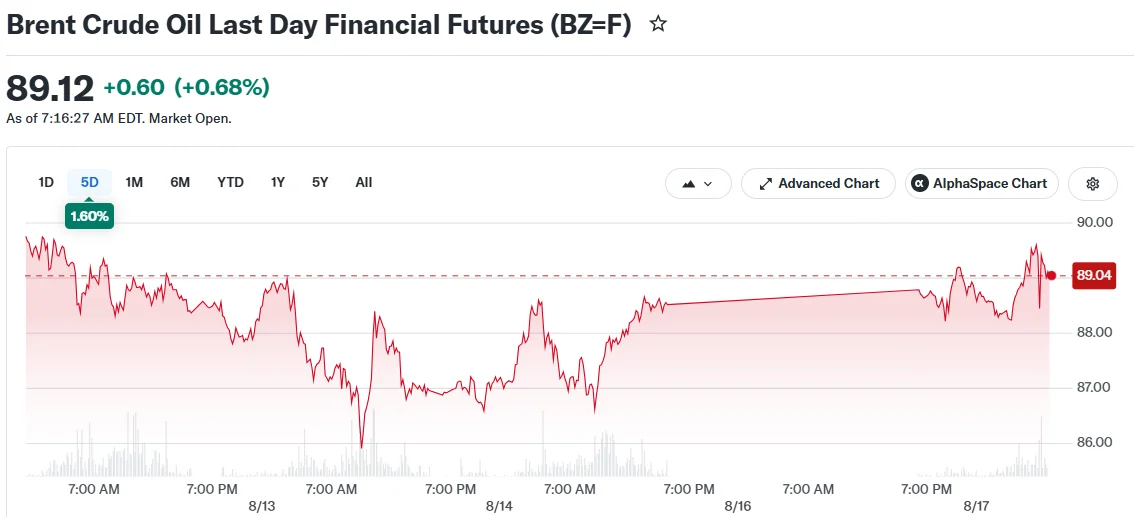
Last week saw Brent prices jump over 5%. The primary catalyst has been intensifying hostilities between the United States and Iran, creating significant obstacles for petroleum and natural gas transportation.
Critical Shipping Chokepoint Virtually Shuttered
The Strait of Hormuz, previously facilitating passage for more than 130 vessels daily, has experienced a dramatic traffic decline. Iranian military actions targeting tankers attempting transit have effectively deterred commercial shipping operations.
According to Reuters, citing maritime tracking data from Kpler, only five ships successfully navigated the strait on Saturday. By Sunday, that figure dropped to zero vessels.
Prior to the combined U.S.-Israeli military operations against Iran initiated in late February, this waterway served as one of the planet’s busiest transit points for crude oil and liquefied natural gas shipments.
The United States has additionally established a naval blockade surrounding Iranian ports, with officials indicating the measure could remain indefinitely.
During weekend statements, Iran’s Foreign Minister confirmed that Tehran currently has no active direct negotiations with Washington. U.S. officials responded by threatening additional economic sanctions designed to force Iran toward diplomatic engagement.
According to ING analysts, the ongoing vessel attacks are heightening supply disruption fears while complicating prospects for a U.S.-Iran diplomatic resolution.
Diesel Markets Face Acute Pressure
While crude oil prices maintained elevated levels, refined petroleum products experienced intensified conflict impacts. ANZ analysts identified diesel as the most constrained segment within current oil markets.
Refining capacity disruptions throughout Gulf regions have constrained diesel output and export volumes, even as worldwide demand for this fuel remains robust.
The Ukraine conflict compounds these challenges. Kyiv’s persistent targeting of Russian petroleum infrastructure has amplified pressure on already strained supply chains.
ANZ analysts cautioned that diesel availability could deteriorate further in upcoming months without operational improvements.
Notwithstanding these supply constraints, both OPEC and the International Energy Agency revised their 2026 global petroleum demand projections downward last week. These bearish demand assessments have had minimal impact on price levels.
Reports indicate Iran and Oman are progressing toward an arrangement concerning Strait of Hormuz administration. Nevertheless, the United States remains excluded from these discussions while insisting on unrestricted waterway access.
MUFG analyst Soojin Kim noted that geopolitical instability and threats to essential shipping corridors continue supporting an embedded risk premium in crude valuations.
Get 3 Free Stock Ebooks
Discover top-performing stocks in AI, Crypto, and Technology with expert analysis.
- Top 10 AI Stocks - Leading AI companies
- Top 10 Crypto Stocks - Blockchain leaders
- Top 10 Tech Stocks - Tech giants


