


Key Highlights
- UBS shifted Dell from Buy to Neutral, noting the AI server momentum is “fully reflected” in current pricing
- Analyst raised price target to $243 from $167, yet this represents approximately 7% downside from Friday’s closing price
- DELL shares declined roughly 5.5% Monday to around $246, even as broader markets remained essentially unchanged
- Shares had climbed approximately 99% in 2026 and 142% over the trailing 12-month period prior to Monday’s decline
- Next quarterly earnings release is set for May 28, 2026, prompting investors to reconsider their outlook
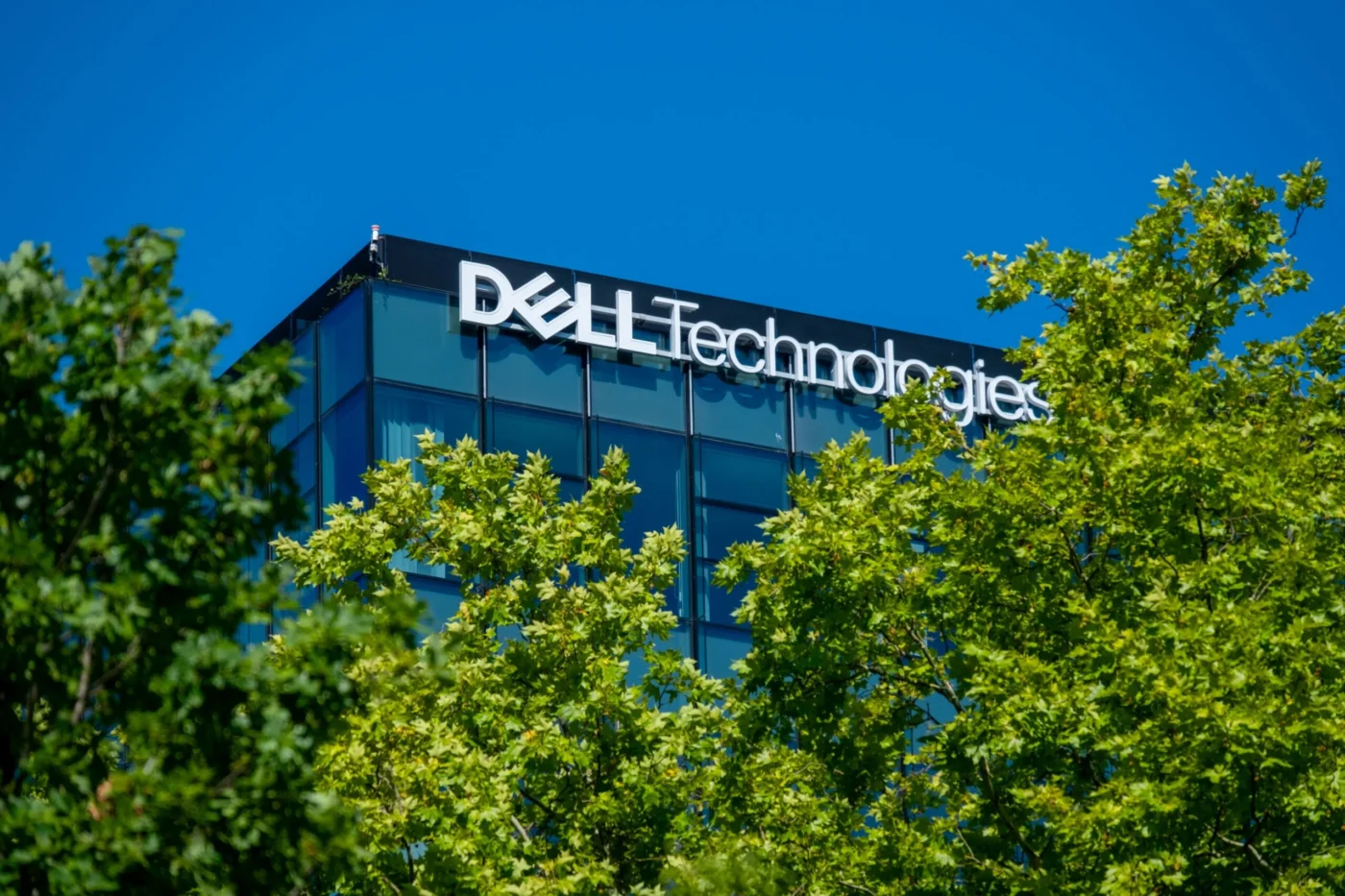
Dell Technologies experienced a sharp decline of approximately 5.5% during Monday’s trading session, retreating to roughly $246 per share, following a weekend downgrade from UBS analyst David Vogt, who shifted his rating from Buy to Neutral.
While Vogt elevated his price objective to $243 from the previous $167, the updated target actually represents approximately 7% downside from Friday’s closing level — an unusual situation where an increased target still suggests limited upside potential.
The analyst’s thesis is clear: Dell has delivered strong performance, but the market has already factored this success into the share price.
“The acceleration in AI server demand appears fully reflected in current valuations,” Vogt noted in his weekend client communication. “Following exceptional execution over the past year, the risk/reward profile has become more balanced moving forward.”
DELL shares had climbed approximately 99% during 2026 before Monday’s pullback, and roughly 142% over the preceding 12-month timeframe. This performance significantly outpaced the S&P 500’s 8.1% advance during the comparable period.
UBS anticipates 25% earnings expansion for Dell in fiscal 2027 and 100% growth specifically within the AI server division. However, the challenge lies in the fact that market participants seem to be embedding expectations closer to 30–35% earnings-per-share growth — substantially exceeding both UBS projections and Dell’s own guidance.
Dell’s official long-term outlook indicates mid-teens growth rates. At present valuation levels, this creates a concerning disconnect.
AI Infrastructure Demand Remains Strong — But Market Already Knows It
UBS didn’t question Dell’s fundamental business strength. Vogt commended the company’s “distinctive technology platform and supply chain execution” along with its capability to manage escalating input expenses such as memory component pricing.
Yet looking past fiscal 2027, UBS anticipates revenue expansion moderating considerably — to merely 6–7% in fiscal years 2028 and 2029. Any positive adjustments to company guidance, Vogt contended, are “probably already anticipated” by market participants.
Dell’s impressive run has been powered by escalating enterprise appetite for AI-capable servers, driven by the aggressive infrastructure expansion needed to power large language models from organizations like OpenAI and Anthropic.
Shares reached a 52-week peak of $263.99 just days prior to the downgrade — representing a classic case of peak optimism.
Analyst Community Growing More Conservative
UBS isn’t the only firm adopting a more measured stance. The percentage of Wall Street analysts assigning Dell a Hold rating now reaches 31%, climbing from merely 19% in January, based on FactSet analytics.
This transition reflects mounting sentiment that the most accessible gains from Dell’s AI-related growth may already be captured.
Dell could potentially benefit from recent developments: U.S. authorities recently indicted a co-founder of competitor Super Micro Computer for alleged export-control violations, potentially creating an opening for Dell to capture additional market share.
The broader S&P 500 index was virtually unchanged Monday, declining just 0.03%, confirming that DELL’s weakness was company-specific rather than market-driven.
Dell’s upcoming quarterly earnings announcement is scheduled for May 28, 2026.
Get 3 Free Stock Ebooks
Discover top-performing stocks in AI, Crypto, and Technology with expert analysis.
- Top 10 AI Stocks - Leading AI companies
- Top 10 Crypto Stocks - Blockchain leaders
- Top 10 Tech Stocks - Tech giants


