


Key Takeaways
- Starting October 1, CVS Caremark will include Lilly’s Zepbound in its coverage, while the oral GLP-1 medication Foundayo gains coverage beginning June 1, marking a reversal of last year’s exclusion policy.
- With this change, Lilly’s complete obesity treatment lineup now enjoys coverage from all three major U.S. pharmacy benefit managers: Optum Rx, Express Scripts, and Caremark.
- Last year, CVS had chosen Novo Nordisk’s Wegovy as its exclusive preferred GLP-1 option, a decision that contributed to an almost 12% drop in LLY shares.
- During Q1 2026, Lilly reported revenues of $19.8 billion, representing a 56% increase year-over-year, while adjusted earnings per share reached $8.55, climbing 156%.
- Following the CVS announcement, LLY shares jumped approximately 4%, bringing the stock to within 5% of its record high.
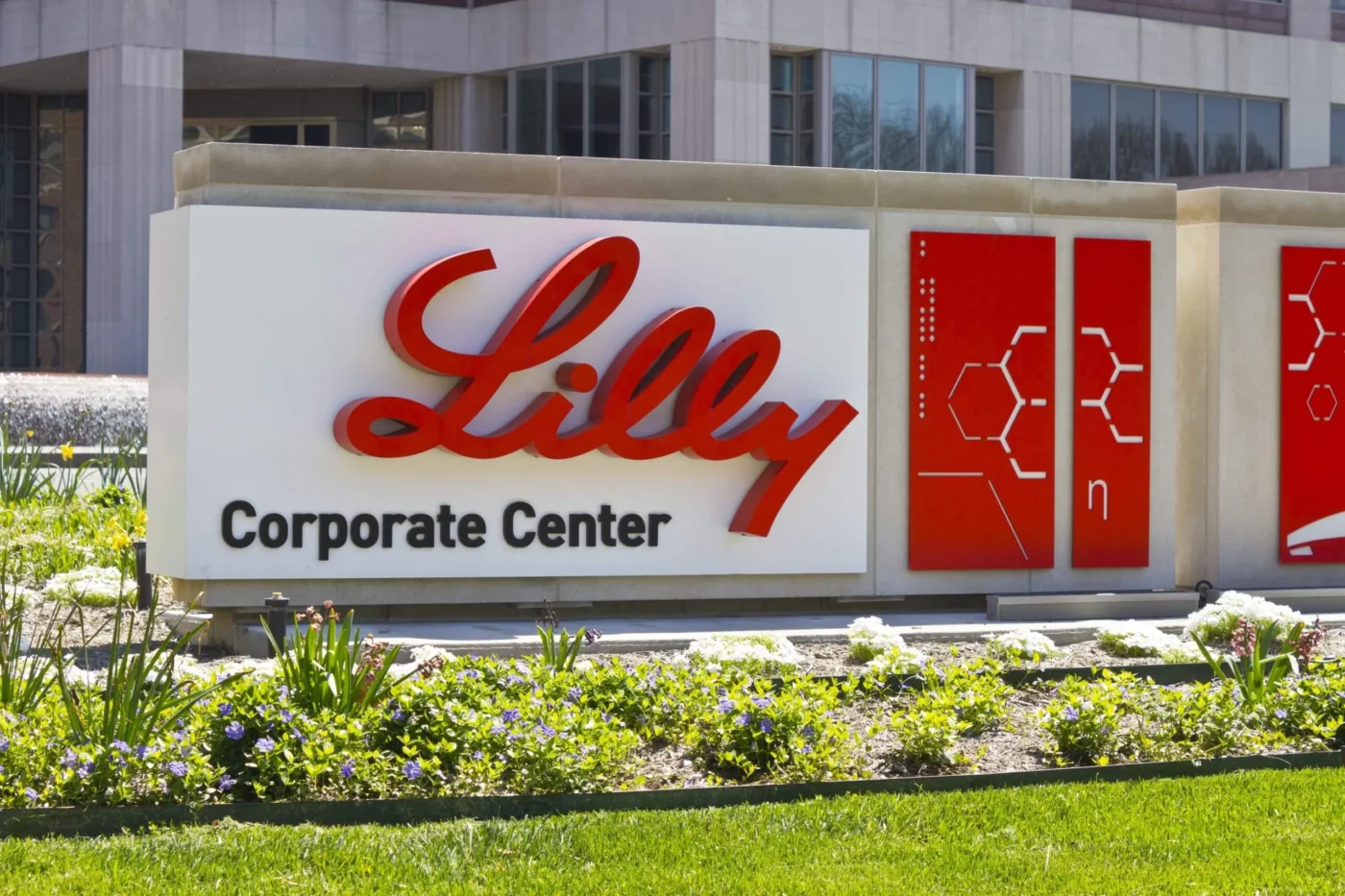
On May 28, Eli Lilly achieved a significant breakthrough when CVS Caremark announced it would reverse its previous stance on Zepbound coverage. The pharmacy benefit manager confirmed that Zepbound will join its formulary effective October 1, while coverage for Foundayo, Lilly’s oral GLP-1 medication, begins June 1.
A little more than twelve months ago, CVS took the opposite approach. The company entered an agreement with Novo Nordisk that positioned Wegovy as the exclusive preferred GLP-1 option while simultaneously removing Zepbound from covered medications. That announcement, coupled with weaker-than-expected quarterly results from Lilly, triggered an almost 12% decline in LLY shares.
The recent announcement represents a complete reversal. According to a CVS representative, employees whose health plans include obesity-related GLP-1 coverage will now receive equivalent access to both Novo and Lilly medications with identical co-payment structures.
Shares of LLY rose roughly 4% during trading on the announcement date.
Complete PBM Coverage Achieved
Following Caremark’s policy shift, Lilly has achieved comprehensive coverage across America’s three dominant pharmacy benefit managers — Cigna’s Express Scripts, UnitedHealth’s Optum Rx, and CVS Caremark — for its entire approved obesity medication range.
This development carries substantial weight. PBM formulary inclusion directly influences patient accessibility and determines the cost burden for individuals. Broader insurance coverage generally drives increased prescription demand.
The announcement holds particular significance for Foundayo. Lilly’s oral GLP-1 tablet only received FDA clearance in April, entering the market as a newer option. Novo’s oral alternative had already secured Caremark formulary placement several months prior. Achieving parity eliminates a competitive barrier that had been hindering Foundayo’s market penetration.
Data indicates approximately 80% of Foundayo users represent GLP-1-naive patients, indicating the oral formulation attracts a distinct demographic compared to injectable alternatives.
This coverage expansion also strengthens Lilly’s competitive position against telehealth providers distributing lower-cost compounded tirzepatide alternatives. Enhanced insurance accessibility improves the branded product’s price competitiveness.
Financial Metrics and Analyst Perspectives
LLY shares currently command a forward price-to-earnings ratio around 29x. This multiple appears elevated relative to the S&P 500’s approximately 21x and the healthcare sector’s 17x average. However, it represents a significant discount to Lilly’s three-year historical forward P/E average of roughly 43x.
Before the company released Q1 2026 results, LLY had declined nearly 21% year-to-date. Following the earnings announcement — which revealed a 56% revenue increase to $19.8 billion and adjusted EPS of $8.55, representing 156% annual growth — shares rebounded substantially. The stock currently trades less than 5% beneath its all-time peak, though it continues lagging the S&P 500’s year-to-date advance exceeding 10%.
Analyst consensus establishes a price target near $1,227 for LLY, suggesting approximately 15% potential appreciation from present levels. Price objectives revised following Q1 results average modestly higher at $1,239.
Barclays maintains the most optimistic outlook with a $1,400 target. Rothschild & Co Redburn presents the most conservative view at $900.
The forward P/E multiple has compressed from 32x when shares previously traded at comparable levels in February, indicating earnings projections have partially caught up with share price appreciation.
Get 3 Free Stock Ebooks
Discover top-performing stocks in AI, Crypto, and Technology with expert analysis.
- Top 10 AI Stocks - Leading AI companies
- Top 10 Crypto Stocks - Blockchain leaders
- Top 10 Tech Stocks - Tech giants


