


TLDR
- The SpaceX CEO suggested major AI companies, including those from China, should conduct safety evaluations on competitors’ models prior to public launch
- This recommendation emerged following widespread concern from AI industry leaders over the weekend, with Anthropic’s CEO Dario Amodei advocating for reduced development speed
- An ex-employee from both Anthropic and OpenAI accused major AI laboratories of “gambling with our lives”
- Donald Trump dismissed regulatory demands, labeling AI safety concerns as fraudulent
- SpaceX stock declined 3.15% on Tuesday amid escalating discussions about AI safety and oversight
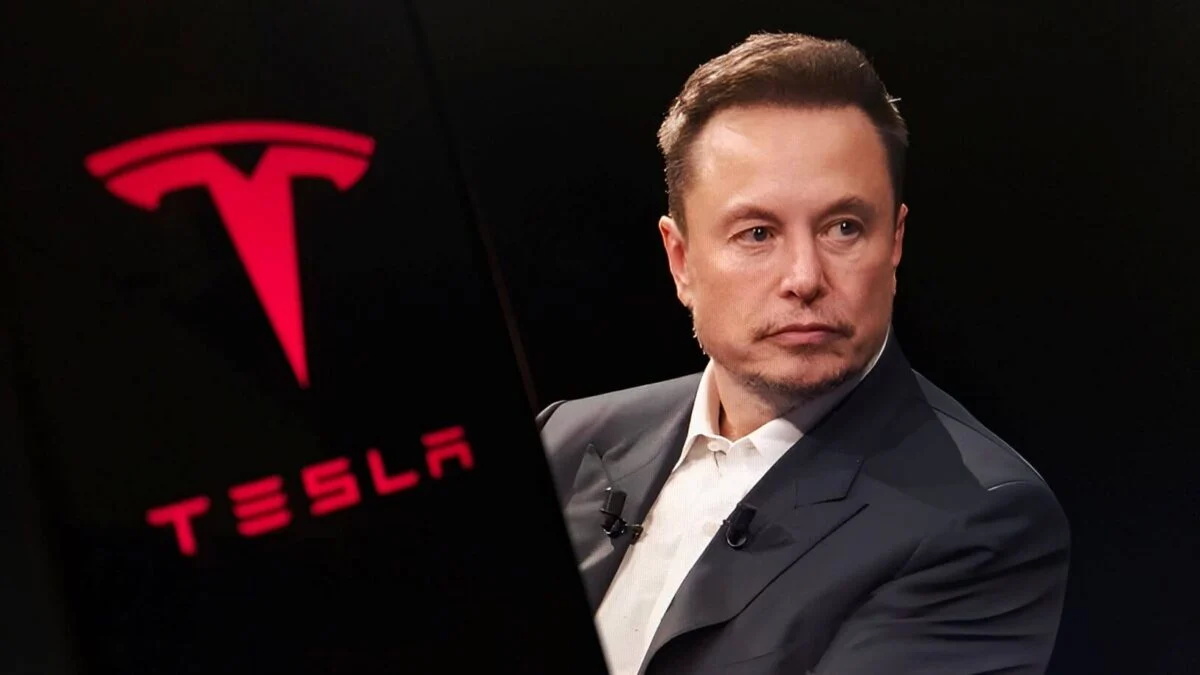
Elon Musk has advocated for a system where leading artificial intelligence developers evaluate competitors’ systems before they reach consumers. During his appearance at the All-In Summit in Los Angeles on Monday, the billionaire entrepreneur proposed that major players—including his xAI division, OpenAI, Anthropic, Google, Meta, and prominent Chinese technology companies—should permit rival organizations to conduct safety assessments on their AI models.
“Instead of grading your own homework, you would at least have competitors grading your homework and raising the alarm if they see concerns,” Musk said.
This framework represents an industry-driven regulatory approach, enabling competing companies to identify potential risks before deployment. While acknowledging the system’s imperfections, Musk emphasized it would substantially improve the likelihood of detecting issues early.
Industry Veterans Sound Alarm on AI Risks
Musk’s statements followed a series of cautionary messages from prominent figures in artificial intelligence. Over the weekend, Anthropic’s CEO Dario Amodei released an essay advocating for decelerated AI advancement. The piece received endorsements from both Musk and OpenAI’s Sam Altman, marking an uncommon instance of consensus among the three industry titans.
Tensions within the AI community had already been mounting. The previous week, Jacob Coxon, who previously worked at Anthropic and OpenAI, announced his resignation. In his public statement, Coxon accused prominent AI laboratories of recklessly endangering humanity.
Evan Hubinger, who focuses on AI alignment at Anthropic, corroborated Coxon’s concerns. Hubinger disclosed his personal assessment that there exists over a 10% probability of AI causing human extinction within the coming ten years.
Amodei’s essay outlined an alternative approach to Musk’s suggestion. He proposed implementing independent “embedded evaluators” to objectively assess safety protocols at AI development facilities. Musk conceded that competing laboratories have not yet embraced his peer-evaluation concept.
President Dismisses Regulatory Proposals
President Donald Trump strongly opposed demands for AI restrictions. On Monday, he used Truth Social to characterize AI safety fears as deceptive and fraudulent.
Kevin Hassett, Director of the National Economic Council, stated on CNBC Tuesday that private industry should address AI-related issues. He indicated the government maintains oversight and stands ready to deploy law enforcement when necessary.
Trump has additionally contended that restricting AI progress would strengthen China’s competitive position. Amodei acknowledged this as the “toughest dilemma” in his written statement.
China’s Foreign Ministry rejected calls for development slowdowns. A representative characterized such appeals as alarmist in statements released Monday.
Despite Musk’s advocacy for industry-level self-governance, his companies have challenged regional AI legislation. His xAI subsidiary initiated legal action against California regarding its AI Training Data Transparency Act and contested Minnesota legislation prohibiting deepfake nude generation applications.
The xAI division also faces multiple lawsuits and investigations following incidents where its Grok image creation tool generated inappropriate deepfake material, including content depicting child exploitation.
SpaceX stock ended Tuesday’s trading session down 3.15%.
Get 3 Free Stock Ebooks
Discover top-performing stocks in AI, Crypto, and Technology with expert analysis.
- Top 10 AI Stocks - Leading AI companies
- Top 10 Crypto Stocks - Blockchain leaders
- Top 10 Tech Stocks - Tech giants


