


Key Highlights
- The European Central Bank introduced Pontes on September 21, providing qualified financial entities access to settle tokenized securities using central bank money.
- The platform bridges distributed-ledger technology networks with TARGET Services, the Eurosystem’s payment backbone.
- Pontes offers tokenized instruments including bonds and investment funds a credible settlement option beyond stablecoins and tokenized bank deposits.
- Expansion of the platform will proceed incrementally, complementing the ECB’s Appia project for comprehensive tokenized-finance architecture.
- The consumer-focused digital euro initiative operates independently from the Pontes wholesale infrastructure.
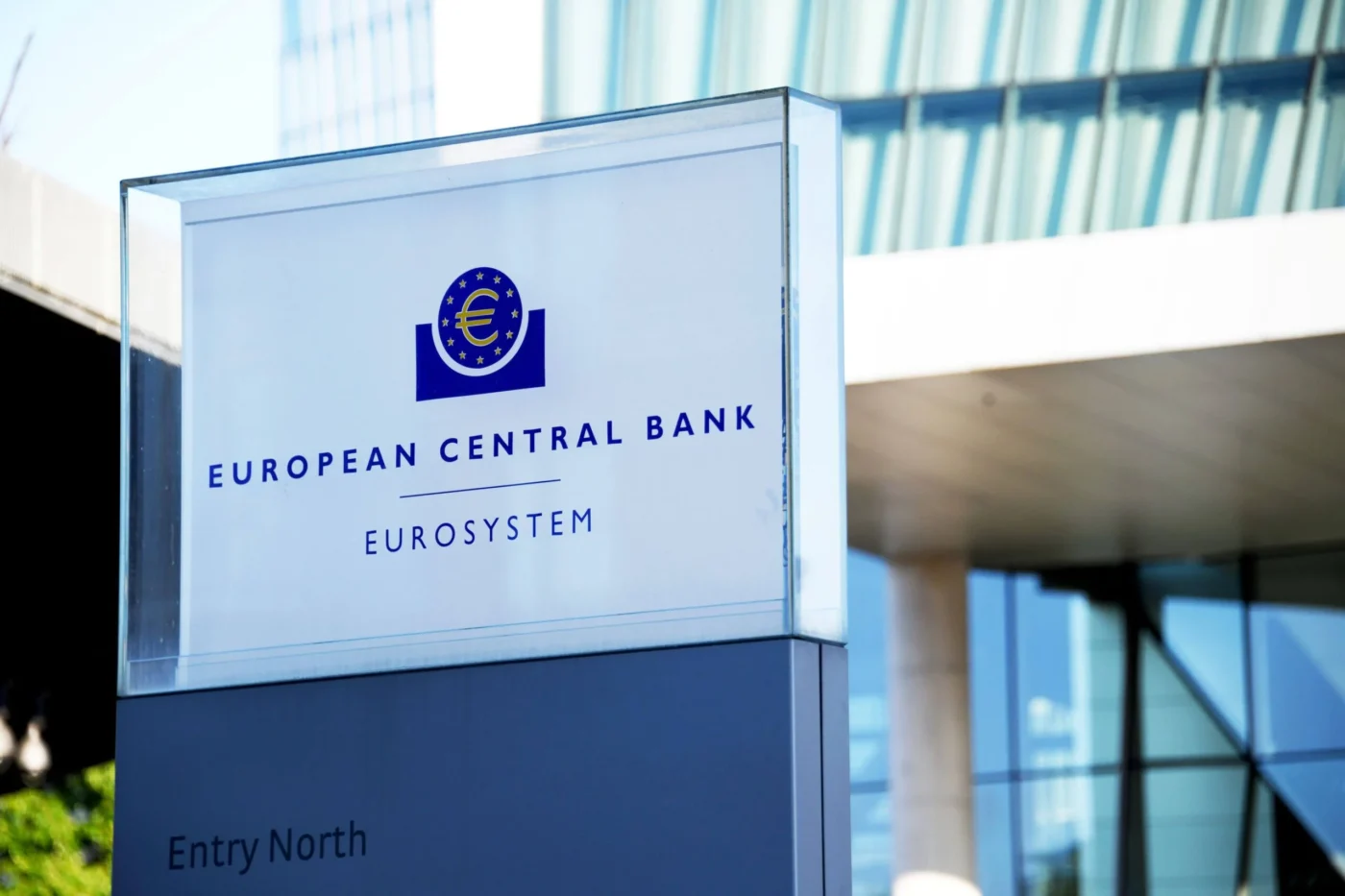
The European Central Bank activated Pontes on September 21, introducing a specialized infrastructure for completing wholesale tokenized-asset settlements through central bank money. This deployment represents a significant step in the Eurosystem’s integration into digital financial markets.
Pontes establishes connectivity between distributed-ledger platforms and the Eurosystem’s TARGET Services framework. The system targets authorized banking institutions, financial organizations and market infrastructure operators, excluding retail participants.
Bridging Tokenized Securities to Central Bank Settlement
Tokenized financial instruments like bonds and investment funds require a cash component to finalize post-trade settlement. Pontes delivers an institutional pathway for completing this cash settlement through central bank money instead of depending exclusively on stablecoins or tokenized commercial bank balances.
According to the ECB, offering access to central bank money establishes a dependable settlement mechanism as digital asset markets mature. The Eurosystem conducted preliminary trials of DLT-enabled settlement in central bank money prior to launching the operational platform.
The infrastructure will start with restricted functionality, progressively incorporating additional participants and capabilities. Pontes supports the Eurosystem’s objective of maintaining central bank money as the foundation of European wholesale finance during the transition toward distributed-ledger-based assets.
Tokenization transforms financial assets into digital tokens, typically recorded on DLT infrastructures. The ECB highlights that this technology can enhance operational efficiency by consolidating issuance, trading, settlement, custody and asset servicing while enabling greater automation via smart contracts.
Appia Initiative Runs Parallel to Pontes
Pontes operates in conjunction with Appia, the ECB’s strategic framework for Europe’s tokenized financial landscape. Appia targets completion of a comprehensive blueprint for European tokenized-finance infrastructure by 2028.
These initiatives serve distinct purposes. Pontes delivers an operational settlement connection between DLT environments and central bank money, whereas Appia concentrates on designing the future structure of tokenized wholesale finance.
The ECB announced Monday its intention to allocate a portion of its portfolio into tokenized securities. These investments will utilize Pontes for settlement, providing the central bank firsthand operational knowledge of trading, clearing and managing DLT-native assets.
Initial acquisitions are anticipated to concentrate on euro-denominated public-sector debt and European supranational instruments. Implementation specifics and schedules will be determined following preparatory activities.
Retail Digital Euro Follows Different Track
Pontes operates distinctly from the ECB’s consumer-oriented digital euro development. Pontes addresses wholesale settlement between financial institutions, while the digital euro is conceived as a potential payment instrument for everyday consumers and commercial entities.
The retail digital euro continues in development stages and necessitates dedicated legal and operational frameworks before potential widespread distribution. Pontes, conversely, is currently operational within the Eurosystem’s wholesale settlement architecture.
The platform’s activation provides European financial entities an alternative settlement channel for tokenized instruments without exclusive reliance on private digital currency solutions. It also embeds central bank money directly within Europe’s emerging tokenized-finance ecosystem.
Get 3 Free Stock Ebooks
Discover top-performing stocks in AI, Crypto, and Technology with expert analysis.
- Top 10 AI Stocks - Leading AI companies
- Top 10 Crypto Stocks - Blockchain leaders
- Top 10 Tech Stocks - Tech giants


