


Key Highlights
- Federal regulators have taken legal action against Cash FX Group and three executives over a nearly $1 billion forex trading scheme.
- The legal filing identifies CEO Huascar Jose Lopez Castillo, Ronald Pope of The Conversion Pros, and Justin Halladay as defendants.
- Authorities allege the operation functioned as a pyramid structure masquerading as a legitimate crypto and forex trading platform.
- Participants in the scheme suffered confirmed losses exceeding $406 million after being lured with promises of weekly profits reaching 15%.
- The legal action was initiated in Florida’s Middle District federal court on September 25, 2026.
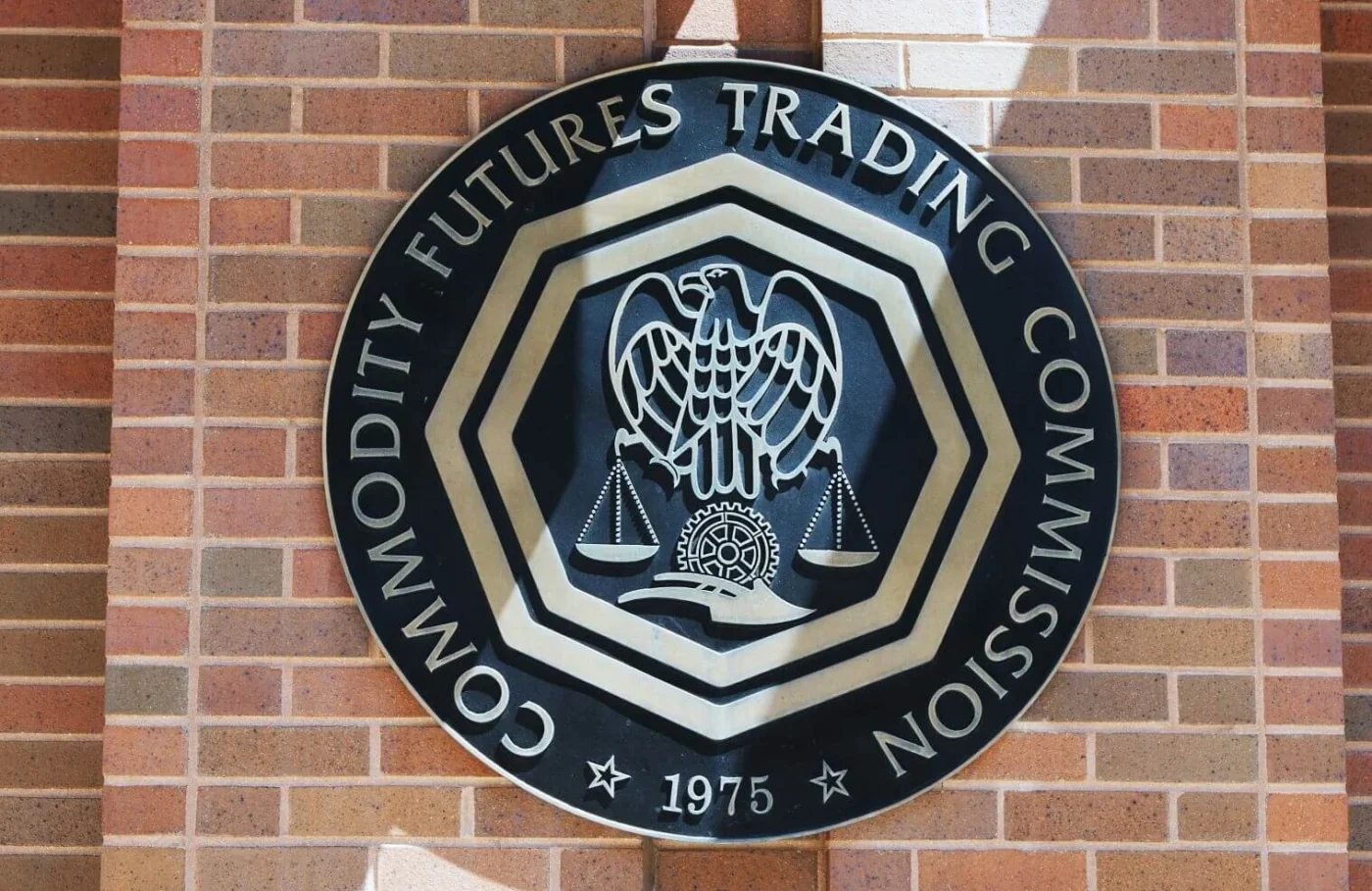
The Commodity Futures Trading Commission has initiated legal proceedings against Cash FX Group alongside three key figures associated with the operation. Regulators contend the enterprise orchestrated a forex trading scheme that accumulated over $950 million from investors.
Federal prosecutors submitted the legal complaint to the US District Court in Florida’s Middle District. The filing identifies Cash FX Group’s chief executive, Huascar Jose Lopez Castillo, who operates from Brazil.
The complaint additionally targets The Conversion Pros along with its chief executive Ronald Pope, an Oregon resident. Florida-based Justin Halladay rounds out the trio of individuals facing charges.
The Core Allegations
Federal authorities contend the accused parties ran a pyramid-style marketing operation disguised as a legitimate investment vehicle. The filing states they collected capital from investors under the pretense of executing foreign currency trades through a pooled commodity fund.
Regulators assert the group made fraudulent representations about professional traders, proprietary trading algorithms, and AI-driven systems supposedly managing participant capital. Those who invested were allegedly guaranteed weekly returns that could reach 15%.
Authorities maintain that legitimate forex trading activities were virtually nonexistent. Rather, the complaint alleges the vast majority of collected funds were diverted for unauthorized purposes.
Capital from recent participants was purportedly redistributed as fake earnings to those who joined earlier. Federal authorities additionally assert that substantial sums were personally diverted to each named defendant.
The Cash FX operation also allegedly fabricated account documentation. These fraudulent records were designed to create the illusion that genuine trading revenues were being produced.
Financial Impact and Enforcement Efforts
According to federal regulators, participants sustained verified losses of no less than $406 million from the alleged fraud. This amount represents the documented financial harm identified in the investigation thus far.
David I. Miller, who heads the CFTC’s Enforcement Division, issued a statement regarding the case. He noted the division’s renewed emphasis on shielding investors from fraudulent schemes and market manipulation.
Miller characterized the enforcement action as evidence of the agency’s dedication to combating financial fraud across all markets. Regulators are pursuing financial restitution, profit recovery, and substantial monetary sanctions against those charged.
The agency also seeks to bar the defendants from trading activities and industry registration. Federal authorities have requested a lifetime prohibition preventing any future violations of commodity trading laws.
This enforcement action follows closely on the heels of separate CFTC activity in cryptocurrency oversight. Cointelegraph documented on September 18 that the regulatory body had forwarded new rulemaking proposals concerning digital asset transactions to White House officials for evaluation.
The specifics of that proposed regulatory framework remain undisclosed. This submission occurred after congressional lawmakers were unable to move forward with the CLARITY Act, proposed legislation intended to establish comprehensive federal oversight for cryptocurrency markets.
The Cash FX enforcement action represents another addition to the expanding record of regulatory crackdowns on cryptocurrency-related investment fraud. The federal complaint continues to move through the court system following its initial filing.
Get 3 Free Stock Ebooks
Discover top-performing stocks in AI, Crypto, and Technology with expert analysis.
- Top 10 AI Stocks - Leading AI companies
- Top 10 Crypto Stocks - Blockchain leaders
- Top 10 Tech Stocks - Tech giants


