


Key Takeaways
- IBM issued a rare pre-announcement revealing Q2 revenue of $17.2 billion, falling short of the $17.9 billion Wall Street forecast
- The company’s adjusted EPS of $2.93 missed analyst expectations of $3.01
- Shares plummeted 25% on July 14 in the company’s worst single-day performance in history, followed by a 26% weekly decline
- CEO Arvind Krishna attributed the shortfall to clients reallocating budgets to AI hardware and multiple major contracts missing closure deadlines
- Wednesday’s complete earnings report could trigger approximately a 7% stock movement, according to options pricing
Big Blue is scheduled to release its complete second-quarter results Wednesday after market close. While preliminary figures are already public knowledge, investors are anxiously awaiting management’s explanation and forward guidance.
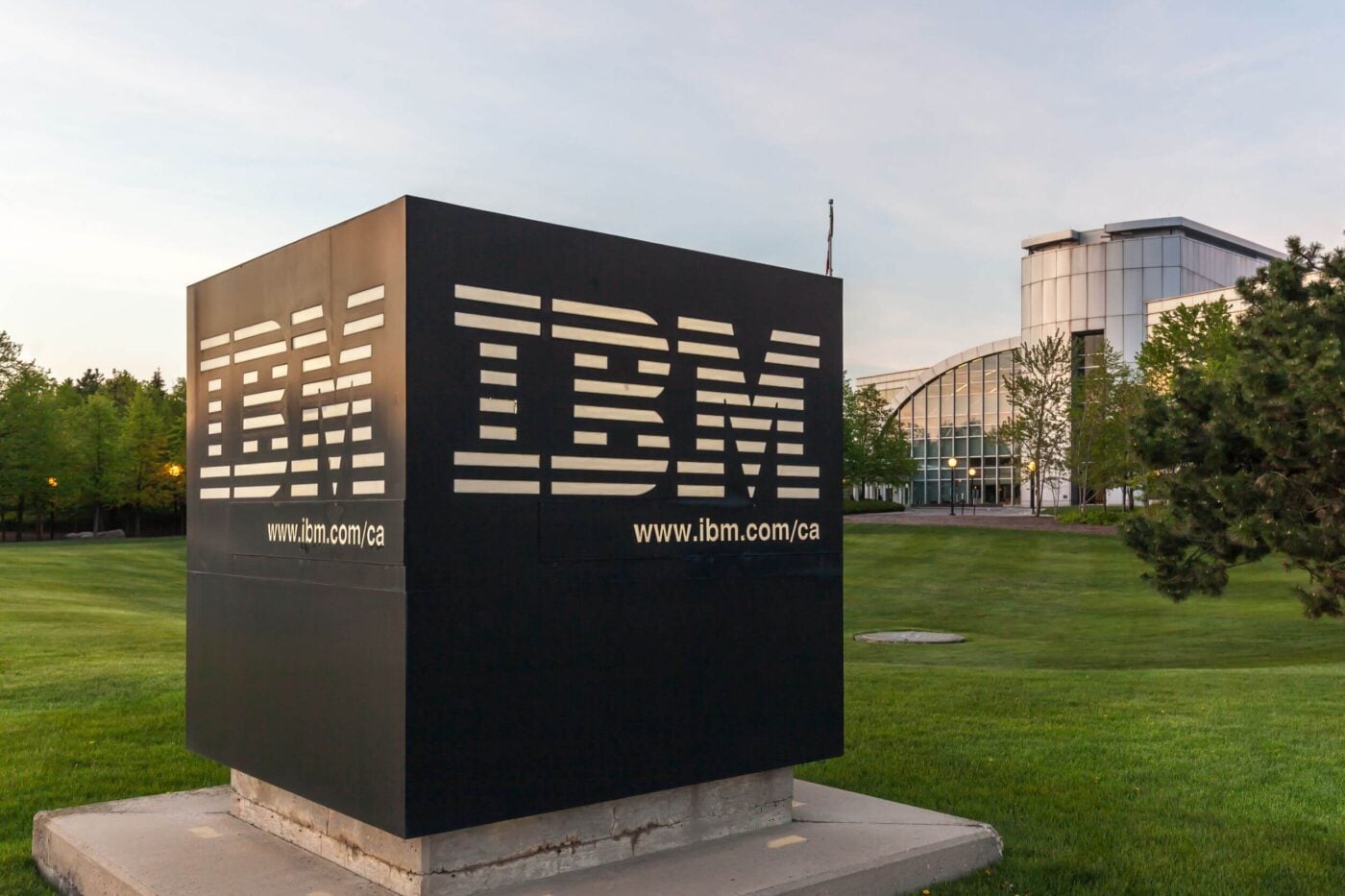
International Business Machines Corporation, IBM
The technology giant shocked markets earlier in July with a pre-release of disappointing quarterly results. This marked just the second instance in IBM’s lengthy corporate history that it issued such a warning — the previous occurrence happened during the 2008 global financial meltdown.
The preliminary figures showed second-quarter revenue reaching $17.2 billion, approximately $660 million short of the Street’s $17.9 billion projection. Meanwhile, adjusted earnings per share landed at $2.93, undershooting the consensus forecast of $3.01.
Segment performance painted a troubling picture: infrastructure sales declined 7% compared to the prior year, consulting revenue remained stagnant, and software division growth managed only 5%.
Market reaction was brutal. IBM shares collapsed 25% on July 14, marking the company’s steepest single-session decline ever recorded and erasing approximately $70 billion in shareholder value. Over the entire week, the stock surrendered 26% — Big Blue’s worst weekly performance in its history.
Chief Executive Arvind Krishna attributed the miss to clients aggressively reallocating capital expenditures toward servers, memory modules, and other supply-limited hardware components in anticipation of upcoming price increases.
“We did not anticipate the magnitude of the capex reprioritization,” Krishna explained in his shareholder communication.
The CEO additionally highlighted that “numerous large deals” failed to reach completion within anticipated timeframes, accounting for the bulk of the quarterly revenue gap.
Investor Focus Shifts to Guidance and Recovery
Given that topline numbers have already been disclosed, Wednesday’s earnings conference call centers less on historical results and more on forward-looking commentary. Market participants are eager to understand whether deals that slipped out of Q2 have materialized in Q3, and if IBM can still achieve its full-year objectives: exceeding 5% constant-currency revenue expansion and delivering approximately $1 billion in free cash flow improvement.
Mizuho analyst Dan O’Regan informed Barron’s that IBM must demonstrate continued client spending activity, validate the integrity of its AI and software growth opportunity, and present a convincing turnaround strategy.
While acknowledging the selloff carried some justification considering IBM’s near-peak valuation entering 2025, O’Regan suggested the market may have underappreciated positive momentum in software and AI-focused business units. “If those trends remain intact, investors may ultimately view this as an execution reset rather than a deterioration of the long-term story,” the analyst commented.
Skeptics Say Weakness Was Telegraphed
For bearish observers, the pre-announcement came as little surprise. BNP Paribas analyst Stefan Slowinski had consistently raised red flags about valuation. “Investors are overpaying for very low organic growth,” he explained to Barron’s, emphasizing that IBM had relied heavily on acquisition-driven expansion rather than internal development.
Slowinski’s Wednesday priority centers on profitability metrics. “Even if they do take down their full-year revenue guidance, can they keep their full-year cashflow guidance?” he questioned.
Notwithstanding the wave of price target reductions that followed the warning, IBM maintains an Overweight consensus rating according to FactSet data. Jefferies reiterated its Buy recommendation Tuesday while lowering its price objective to $260 from $320.
The company has revealed $12.5 billion in generative artificial intelligence bookings. Market watchers will pay close attention to commentary surrounding Red Hat performance, watsonx platform adoption, and the broader AI deal pipeline during Wednesday’s analyst discussion.
Current options market activity suggests traders are positioning for approximately a 7% price swing following the earnings disclosure.
Get 3 Free Stock Ebooks
Discover top-performing stocks in AI, Crypto, and Technology with expert analysis.
- Top 10 AI Stocks - Leading AI companies
- Top 10 Crypto Stocks - Blockchain leaders
- Top 10 Tech Stocks - Tech giants


