


Key Points
- AirBaltic, the Latvian national carrier, has initiated Chapter 11 bankruptcy proceedings in New York
- The move represents a strategic debt restructuring initiative
- All flight operations continue without disruption, with all bookings honored
- €350 million in debtor-in-possession funding has been arranged
- Major financial institutions including Barclays, Morgan Stanley, and Oaktree Capital Management are backing the airline
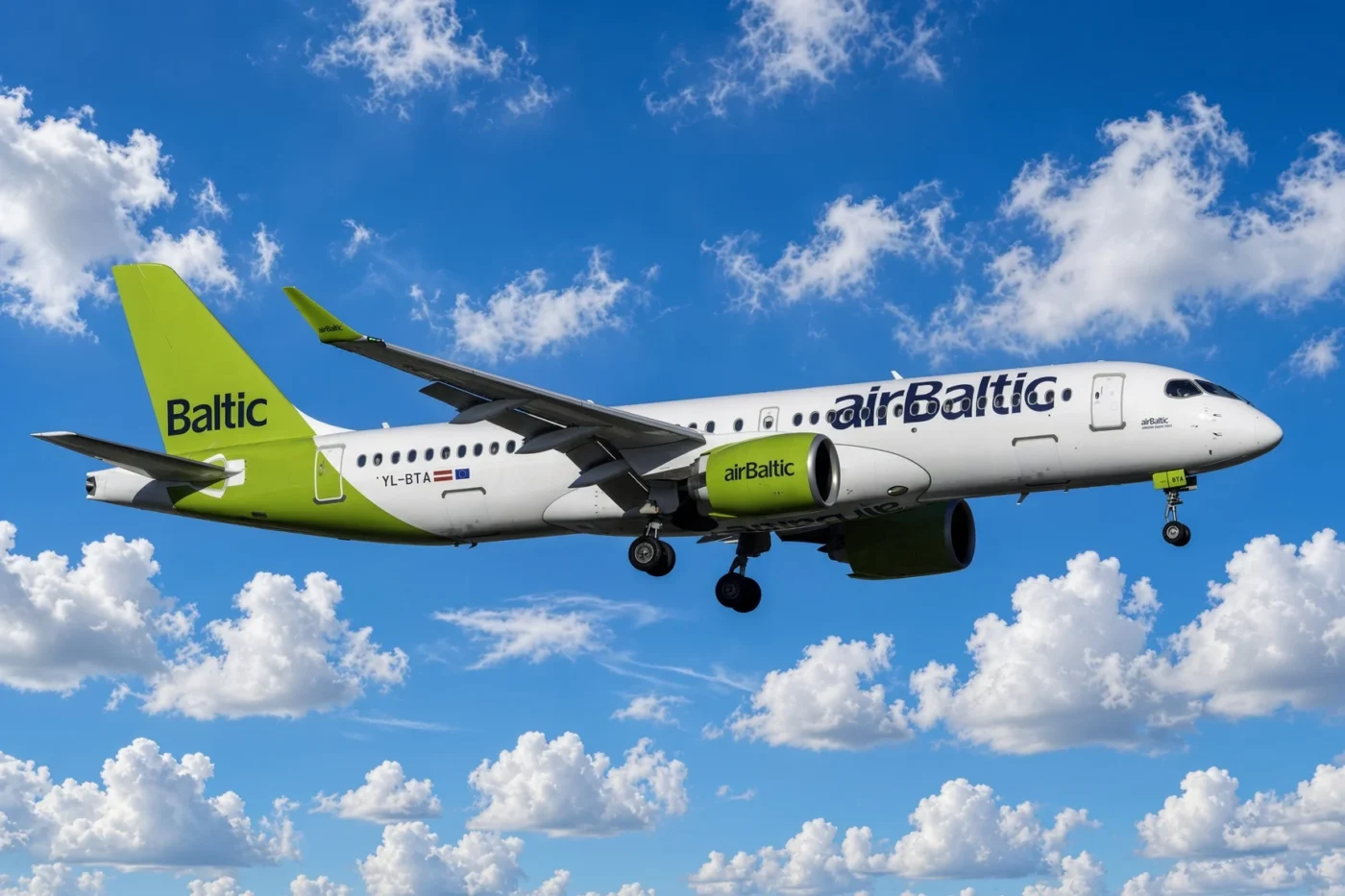
On Monday, AirBaltic, the flag carrier of Latvia, initiated Chapter 11 bankruptcy proceedings in a New York court as part of a comprehensive financial reorganization strategy aimed at reducing its outstanding obligations.
The carrier submitted its petition under provisions of the United States Bankruptcy Code. The Latvian government, which maintains a controlling interest in the airline, is actively participating in the restructuring effort.
In an effort to maintain customer confidence, airBaltic emphasized that the bankruptcy filing will have no impact on day-to-day operations. All scheduled flights will proceed as planned, and every existing ticket and booking will be honored throughout the court-supervised proceedings.
According to the airline’s official announcement, customer support services will remain fully functional without any changes.
Major Funding Arrangement Confirmed
The Latvian carrier has successfully arranged €350 million—approximately $405 million—in debtor-in-possession financing to support ongoing operations during the restructuring phase.
This specialized form of bankruptcy financing enables companies undergoing Chapter 11 proceedings to maintain business continuity while addressing their financial challenges through the legal system.
A consortium of prominent financial players is providing the capital. Strategic Value Partners, Barclays, Hayfin Capital Management, Morgan Stanley, and Oaktree Capital Management have all committed to the financing arrangement.
The participation of such established financial institutions indicates creditor confidence in airBaltic’s ability to successfully navigate the restructuring process and continue serving its markets.
Understanding the Chapter 11 Process
Chapter 11 represents a specific bankruptcy mechanism under US law that permits companies to maintain operations while reorganizing their financial obligations. Airlines and other major corporations frequently utilize this legal tool.
Rather than forcing immediate liquidation, Chapter 11 provides organizations with the opportunity to restructure their operations and finances. The typical objective is to complete the process as a more efficient, financially stable enterprise.
AirBaltic has not yet released comprehensive information regarding its total debt position. The court-monitored restructuring will likely include extensive negotiations with various creditor groups.
The carrier maintains an extensive network of European routes and international destinations. In recent years, the airline has been growing its fleet through acquisitions of Airbus A220 aircraft.
The significant ownership position held by the Latvian government introduces additional complexities to the restructuring effort. Government-controlled or government-supported carriers typically face heightened examination during periods of financial stress.
No specific exit timeline from bankruptcy protection has been announced by airBaltic. The duration of Chapter 11 proceedings can fluctuate considerably based on the intricacy of creditor negotiations and operational adjustments.
The decision to file in New York reflects a strategic choice, as the jurisdiction is frequently selected by international corporations pursuing Chapter 11 protection due to its well-developed bankruptcy legal infrastructure.
As of the filing date, the carrier has confirmed that passengers can expect normal operations, with no flight cancellations or service modifications resulting from the bankruptcy petition.
Get 3 Free Stock Ebooks
Discover top-performing stocks in AI, Crypto, and Technology with expert analysis.
- Top 10 AI Stocks - Leading AI companies
- Top 10 Crypto Stocks - Blockchain leaders
- Top 10 Tech Stocks - Tech giants


