


Key Takeaways
- The ‘Big Short’ investor Michael Burry labeled Nvidia’s massive AI financing initiative as a dangerous “Wall Street stunt” echoing pre-2008 crisis patterns
- The chip giant partnered with Apollo, BlackRock, Blackstone, Brookfield, Goldman Sachs, and KKR to establish AI compute financing mechanisms
- The structure involves Nvidia holding 25% equity positions and offering residual value protections for GPU acquisitions
- According to Goldman Sachs Research, AI-linked debt offerings have approached the $500 billion mark in 2026
- Veteran strategist Ed Yardeni echoed concerns about excessive enthusiasm, urging caution among investors
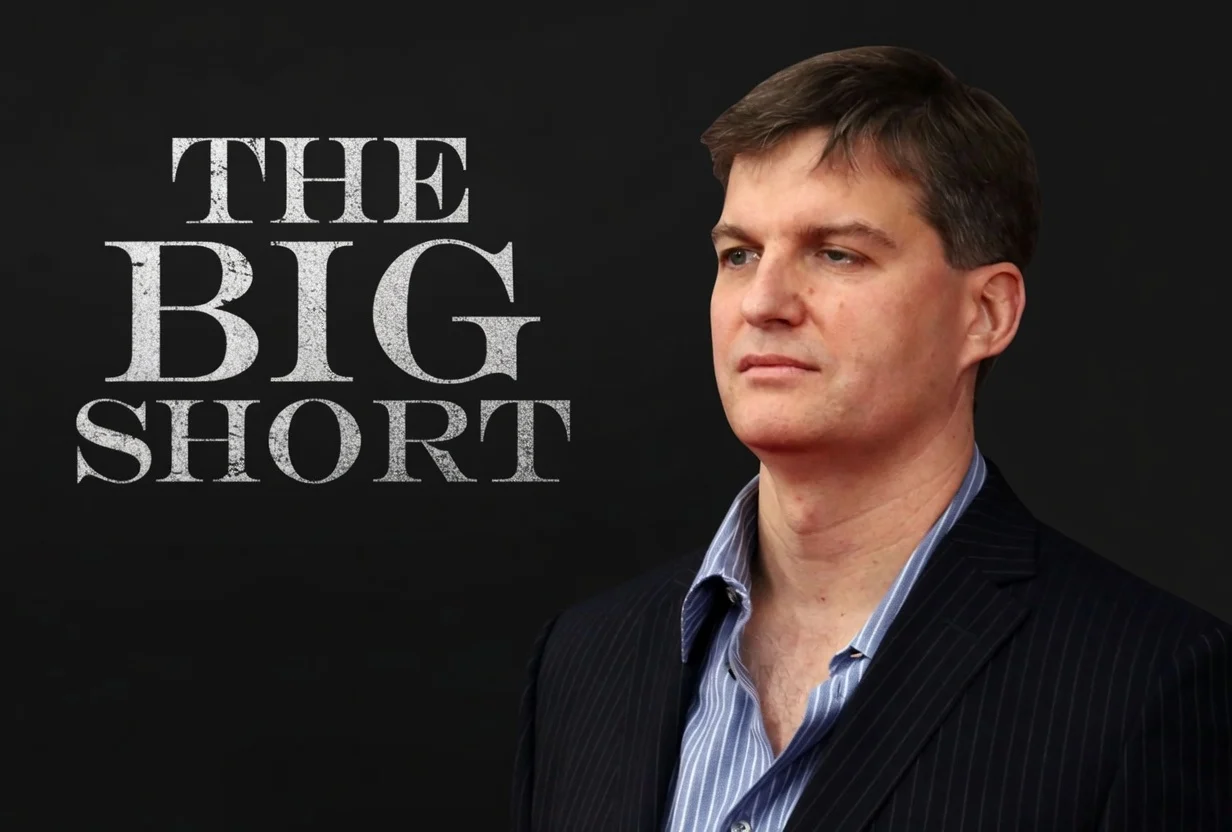
Michael Burry, whose prescient bet against the housing market became legendary after the 2008 collapse, has launched a sharp critique of Nvidia’s ambitious strategy to facilitate more than $500 billion in artificial intelligence infrastructure funding.
In a pointed post on X, Burry characterized the arrangement as nothing more than a “Wall Street stunt,” evoking memories of the intricate financial instruments that precipitated the global financial meltdown.
The semiconductor powerhouse has entered into preliminary agreements with six heavyweight asset management firms: Apollo Global Management, BlackRock, Blackstone, Brookfield Asset Management, Goldman Sachs, and KKR.
These partnerships aim to enable businesses to fund data center construction through institutional lending channels instead of depleting corporate capital reserves.
Jensen Huang, Nvidia’s chief executive, framed the initiative as groundbreaking, declaring it represents the “first time that technology chips have become an investable asset class,” positioning semiconductors alongside traditional infrastructure investments.
Breaking Down the Financial Structure
The arrangement calls for Nvidia to acquire 25% ownership positions in these ventures while establishing a “residual value mechanism” that obligates the company to repurchase or re-lease chips if projects collapse.
Burry presented his interpretation of what he considers a self-referential and excessively leveraged financial chain underlying these transactions.
His visual breakdown illustrated retirement annuity capital flowing through international reinsurance entities, being amplified through asset-backed securities, and eventually financing GPU acquisitions for customers including Elon Musk’s xAI venture.
He highlighted a specific case where a special purpose entity acquired $5.4 billion worth of Nvidia GB200 processors to provide leasing services to xAI for its Grok artificial intelligence supercomputer infrastructure.
Burry cautioned his audience with a pointed reference: “Meet the new Boss. Same as the old Boss,” implying that the financial industry’s approach to complex structured products remains fundamentally unchanged since the crisis.
Growing Unease Over AI-Driven Borrowing
Burry isn’t the only financial veteran expressing reservations. Ed Yardeni, a respected market analyst, characterized investor response to these preliminary agreements as lukewarm and cautioned against “a little bit of hype.”
Research from Goldman Sachs indicates that debt issuance tied to artificial intelligence infrastructure has climbed to approximately $500 billion in 2026, with fixed income teams noting investor concerns about extended maturities and concentrated exposure to specific issuers.
The Bank for International Settlements has issued separate warnings that Business Development Companies have extended $115 billion in loans to software companies, representing more than 80% of their technology sector exposure.
The BIS highlighted that disruption from generative artificial intelligence could undermine revenues at these software borrowers, introducing underappreciated vulnerabilities throughout private credit markets.
Nvidia’s stock has climbed 16.62% since the beginning of the year and settled at $217.50 in Tuesday’s session. The shares advanced approximately 1.17% during pre-market hours on Wednesday, indicating that investors are currently dismissing Burry’s cautionary stance.
Burry has recently increased his bearish wager against Nvidia by acquiring additional put options, demonstrating he’s backing his skeptical outlook with actual capital.
Get 3 Free Stock Ebooks
Discover top-performing stocks in AI, Crypto, and Technology with expert analysis.
- Top 10 AI Stocks - Leading AI companies
- Top 10 Crypto Stocks - Blockchain leaders
- Top 10 Tech Stocks - Tech giants


