


TLDR
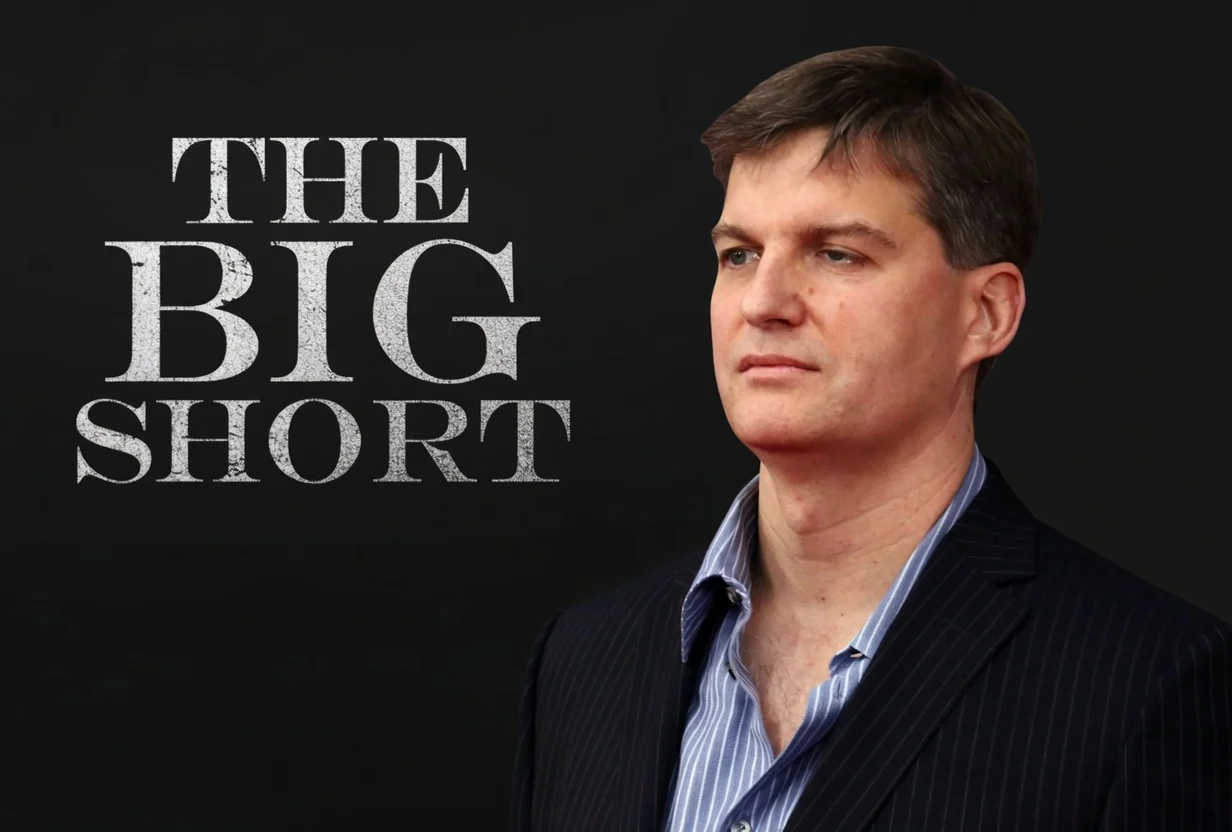
- President Trump took aim at short sellers during a White House event, claiming they were “in big trouble.”
- Michael Burry fired back, defending short selling as essential to market health.
- The famed investor suggested Trump lacks understanding of his investment approach.
- Burry contends Trump’s Iran strategy is driven by concerns over market volatility.
- Brent crude surged past $126 per barrel amid heightened tensions before retreating to pre-conflict levels.
During a White House gathering on Monday celebrating the rollout of Trump Accounts, President Donald Trump took shots at short sellers. He described a “couple of guys” betting against the market as facing serious losses and “being wiped out.”
The president expressed his disdain for short sellers, characterizing their activities as betting against America itself.
Michael Burry, the renowned investor who famously forecasted the 2008 financial crisis, took to social media to push back. He suggested that while Trump couldn’t grasp his investment methodology, the president excelled at profiting from his political position.
Burry later removed the post from his social media account.
Burry Makes Case for Short Selling
Burry now operates a Substack newsletter where he shares investment perspectives. He has transitioned from actively managing a hedge fund to publishing his personal analysis online.
In his rebuttal, Burry argued that short sellers’ greatest error is overestimating others’ intelligence. He characterized short selling as a challenging strategy with capped gains and potential for rapid losses.
Burry clarified that his investment portfolio maintains predominantly long positions throughout most periods. He explained his approach involves holding higher cash reserves when valuations appear stretched, then seeking opportunities when markets experience deeper corrections.
A White House representative countered Burry’s statements, noting the investor has forecasted multiple market collapses that failed to materialize and questioning his track record.
Burry Links Trump’s Iran Policy to Market Concerns
In a separate analysis, Burry has maintained that Trump’s handling of the Iran situation correlates directly with equity market movements. In a March Substack essay, Burry identified the stock market as Trump’s primary vulnerability.
He suggested Trump’s Iran approach boils down to resolving the crisis before significant market declines occur.
Following June’s announcement of a peace agreement, Burry claimed Trump’s actions continue following this framework. He referenced previous tariff rollbacks that coincided with substantial market recoveries.
Burry further speculated the peace accord might eventually result in lifted sanctions against Iran. He interpreted this as potentially representing a strategy favoring economic expansion over confrontation.
Oil prices mirrored the conflict’s volatility. Brent crude climbed beyond $126 per barrel at peak tensions.
Following the ceasefire implementation and the reopening of Strait of Hormuz shipping lanes, prices declined. By June 30, Brent crude hovered around $73 per barrel, roughly matching February’s pre-war pricing.
The S&P 500 experienced significant volatility throughout this timeframe. The index initially broke through 7,000 in January, propelled primarily by artificial intelligence enthusiasm.
By late March, the index had fallen to its yearly low. Since then, it has rebounded, reaching approximately 7,537 points in early July.
Media reports have surfaced regarding substantial trades executed just before Trump moderated his position on potential Iran strikes. The White House has rejected any connection between trading activity and war-related decisions.
Burry has not provided comment when contacted about his recent statements.
Get 3 Free Stock Ebooks
Discover top-performing stocks in AI, Crypto, and Technology with expert analysis.
- Top 10 AI Stocks - Leading AI companies
- Top 10 Crypto Stocks - Blockchain leaders
- Top 10 Tech Stocks - Tech giants


