


TLDR:
- Michael Saylor urged regulators to adopt a bill of digital rights over restrictive legislation.
- He said banks need clear regulatory rules to custody Bitcoin and extend credit against it.
- Saylor estimated banks could create $100 billion in Bitcoin-backed credit within one year.
- He said AI agents cannot access banks, insurance, or credit without digital assets to operate.
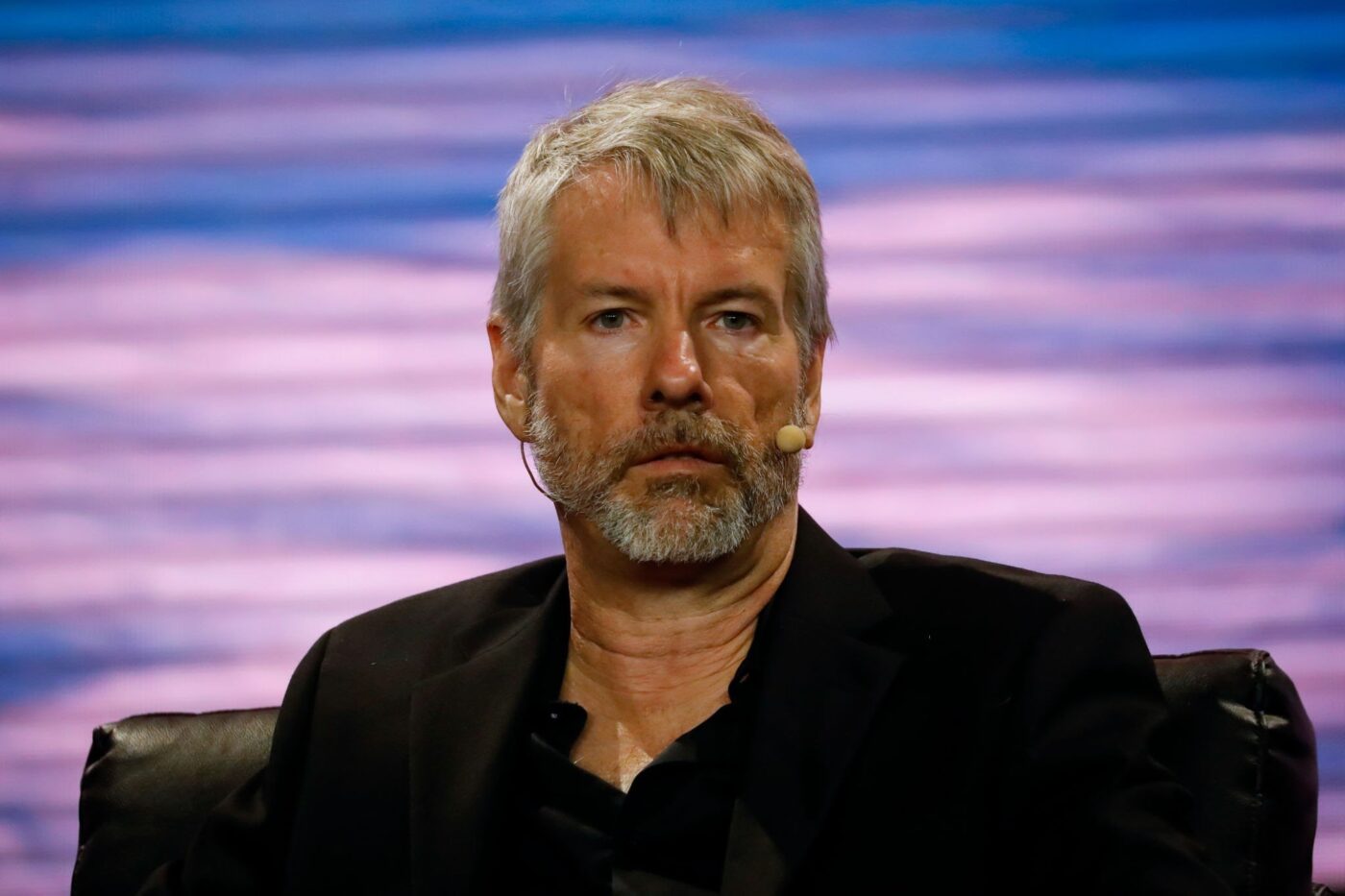
Michael Saylor called for a bill of digital rights during a fireside chat at the Bitcoin Policy Institute’s Freedom Tech DC summit on September 22, 2026.
The Strategy executive chairman urged the CFTC, SEC, Treasury, and White House to prioritize digital rights over restrictive legislation. His comments followed the Senate’s rejection of the Clarity Act, as Bitcoin’s price recovered past $86,000.
Digital Rights Over Restrictive Legislation
Saylor argued that America needs clear rules protecting digital rights rather than congressional restrictions. “The interesting questions now are whether an individual investor or corporation has the right to self-custody digital assets,” he said. He added that the failed Clarity Act was “mostly a bill of restrictions, not a bill of rights.”
The executive pushed regulators to define digital tokens, currencies, commodities, and securities clearly. He said digital rights should include self-custody, bank custody of Bitcoin, and competitive credit markets. Without these protections, he warned, the industry cannot reach its full potential.
Saylor tied digital rights directly to capital formation for small businesses. “There are 10 million businesses in the United States that could raise money in four days for $40 if we had the right regulations,” he said. Modernizing these rules, he argued, could open capital access to millions of companies quickly.
Digital Currency Competition and Yield
Saylor described digital currency as central to the broader digital rights conversation. “This is Freedom Tech. Freedom starts with a bill of rights,” he said.
He added that most lobbying in Washington focuses on limiting rather than expanding what digital currency can do.
He proposed a competitive market where companies like Apple, Google, and Meta could issue their own digital currencies.
“If you were pro-dollar and pro-United States, wouldn’t you want Apple and Google to build stablecoins into the iPhone and Android phones?” he asked. He framed current restrictions as counterproductive for both innovation and the dollar.
Saylor also raised the de minimis exemption for digital currency transactions, which has shrunk over time. Brown noted during the conversation that the threshold “got down to $10.” Such limits, Saylor said, cripple everyday use of digital assets for ordinary purchases and transfers.
Bitcoin Custody and Bank Credit Growth
Bitcoin featured prominently in Saylor’s digital rights argument as what he called “the greatest of the digital commodities.”
He said banks need clear rules allowing them to custody Bitcoin and extend credit against it. Current regulatory treatment, he argued, discourages this practice unfairly.
He pointed to the Basel 1,250 percent risk weighting as a specific barrier limiting banks’ use of Bitcoin. “We are seeing much more progressive guidance from the Treasury,” he said, citing recent signals from federal regulators. This shift, he suggested, could unlock significant bank participation in Bitcoin markets.
Saylor estimated that most of the $1.6 trillion in Bitcoin remains unbanked outside exchange-traded funds like IBIT and FBTC.
“If you create $10 billion of bank credit against Bitcoin, you buy the entire organic supply for a year,” he said. Two or three banks reaching that scale, he added, could reshape the market within months.
AI Agents Need Digital Assets to Function
Saylor connected digital rights to the rise of autonomous AI agents operating in financial markets. “AI agents will not be able to get bank accounts,” he said, noting that insurers and lenders will not serve them either. Digital assets, he argued, offer the only practical path forward for agent-based commerce.
He referenced his own use of AI tools that search dozens of websites on his behalf. “I get an incredible dopamine hit when I ask my AI to tell me what is going on,” he said. Bitcoin and digital currencies, he added, allow value transfer at a speed traditional finance cannot match.
Saylor emphasized that AI capability has now surpassed human output in many professional tasks. “I think we crossed an inflection point earlier this year: AI is now smarter than you,” he said.
Policymakers, he argued, face a narrowing window to shape supportive rules before this transformation fully unfolds.
Saylor’s remarks reflect an ongoing push within the digital rights movement to reshape U.S. financial regulation

