


Key Takeaways
- Micron will unveil its fiscal Q4 results following Wednesday’s closing bell
- D.A. Davidson’s Gil Luria maintains a bold $2,000 price forecast, suggesting potential for doubling
- Market volatility indicators suggest shares may move roughly 7% following the announcement
- Projected sales figure of $50.95 billion represents a staggering 350% annual increase
- Expected adjusted profit per share of $31.63 marks more than a tenfold jump from prior year
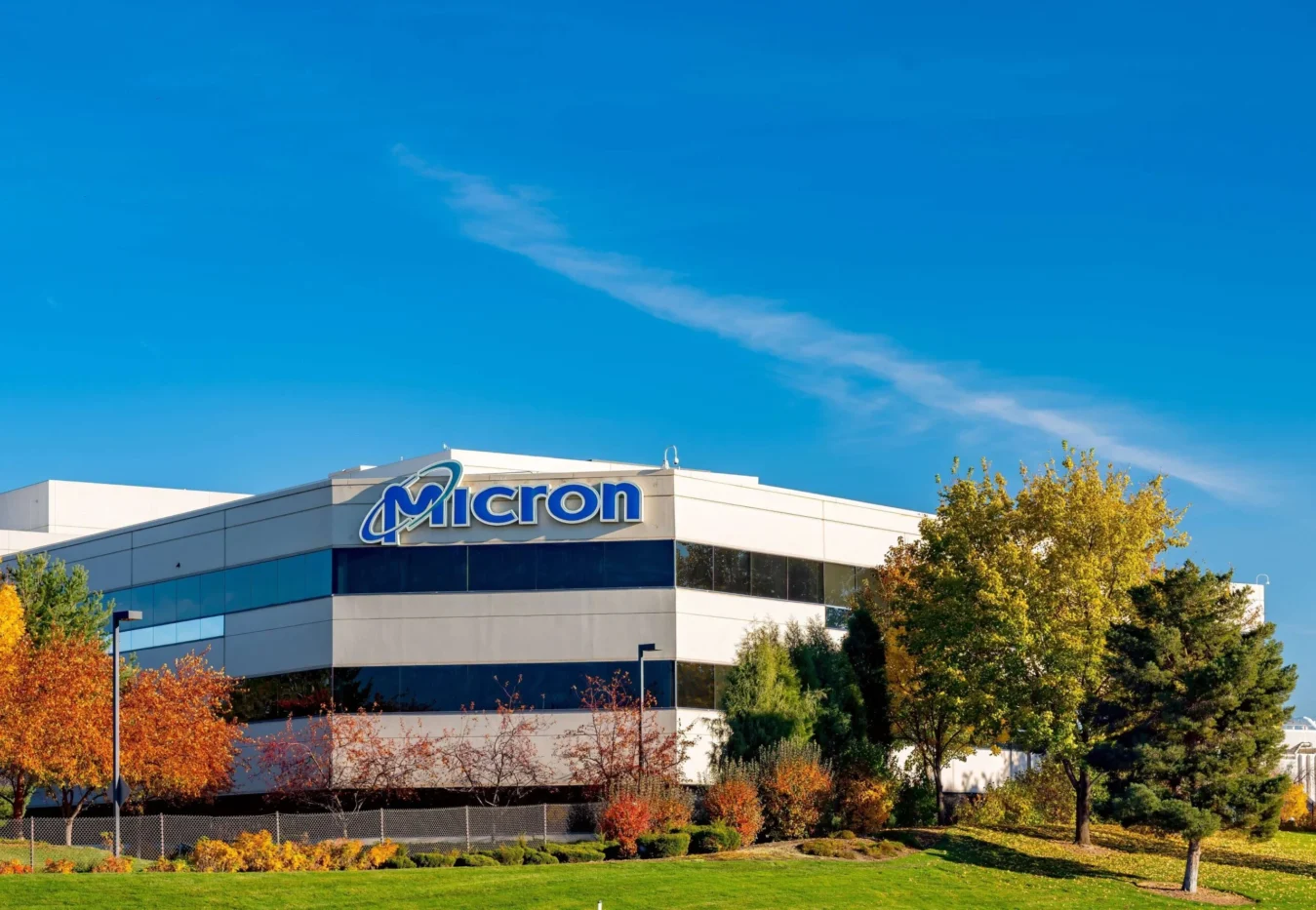
Shares of Micron Technology (MU) retreated 3% during Monday’s session, settling at $1,053.98. The stock rebounded approximately 2% during Tuesday’s pre-market hours.
This price action unfolds just days ahead of Micron’s scheduled fiscal fourth-quarter financial disclosure, set for Wednesday after trading concludes. Market participants are eager to assess the sustainability of the artificial intelligence-driven memory chip rally.
Derivatives market activity indicates potential volatility of approximately 7% in either direction through week’s end. Such movement could propel shares toward $1,127—approaching the June peak—or send them tumbling below $982.
Since the start of January, Micron’s equity value has expanded nearly fourfold. This remarkable appreciation stems from explosive growth in memory component requirements for AI-focused computing infrastructure.
D.A. Davidson equity analyst Gil Luria maintained his $2,000 valuation target on Monday. This forecast substantially exceeds the consensus Street estimate of $1,520, per Yahoo Finance tracking.
Luria’s projection indicates approximately 100% appreciation potential from present trading levels. His thesis centers on memory’s critical role in both training and deploying AI algorithms.
“Increased memory capacity enables superior model performance, accelerates inference speeds, and extends context window capabilities,” Luria explained. He highlighted robust purchasing signals from leading technology corporations.
Luria referenced Meta’s Muse offering as a compelling recent case study. He noted that this interface innovation has driven greater consumer adoption of emerging AI applications.
Understanding the Memory Supply Shortage
High-bandwidth memory modules and cutting-edge DRAM products designed for AI computing systems continue facing severe supply constraints. Requirements from artificial intelligence infrastructure developers have exceeded manufacturing capabilities.
Micron, along with SK Hynix and Samsung Electronics, has essentially exhausted premium AI memory production capacity extending well into 2026. Major purchasers encompass Nvidia, Microsoft, Amazon, and Meta.
Strong purchasing momentum surrounds Micron’s HBM3E and HBM4 product lines. These components pair with Nvidia and AMD graphics processing units within AI server architectures.
The capacity shortage has elevated memory pricing dynamics. This development has granted manufacturers enhanced pricing authority following extended periods of challenging industry fundamentals.
JPMorgan analyst Jay Kwon observed that the memory total addressable market is expanding through both unit volume and pricing improvements. He anticipates the supply-demand imbalance will continue for an additional two years.
Wednesday’s Earnings Forecast: What Wall Street Anticipates
Financial analysts project Micron will announce $50.95 billion in quarterly revenue for its fiscal fourth period. This figure would represent a 350% expansion versus the comparable year-ago timeframe, based on Visible Alpha consensus.
Adjusted profit per share is forecasted at $31.63. This metric exceeds Micron’s reported performance from the equivalent prior-year quarter by more than ten times.
UBS research team members recently indicated the disparity between memory supply availability and customer demand will continue expanding through 2027. They recommended investors prioritize demand sustainability over near-term price fluctuations.
Luria drew valuation comparisons between Micron and semiconductor peers AMD and Intel. He observed both competitors command price-to-earnings multiples between 40 and 60, whereas Micron trades at roughly 7 times earnings.
Get 3 Free Stock Ebooks
Discover top-performing stocks in AI, Crypto, and Technology with expert analysis.
- Top 10 AI Stocks - Leading AI companies
- Top 10 Crypto Stocks - Blockchain leaders
- Top 10 Tech Stocks - Tech giants


