


Key Highlights
- MU shares rebounded nearly 32%, climbing from $739 on July 29 to $971.66 by August 14
- The stock posted a 10.7% weekly gain, marking its strongest week in more than two months
- Stock split possibilities exist for 2026, though timing makes a near-term announcement unlikely
- Apple’s discussions with U.S. officials regarding memory chip procurement may boost domestic suppliers
- U.S. Commerce Secretary Howard Lutnick indicated opposition to Apple sourcing memory from Chinese firms
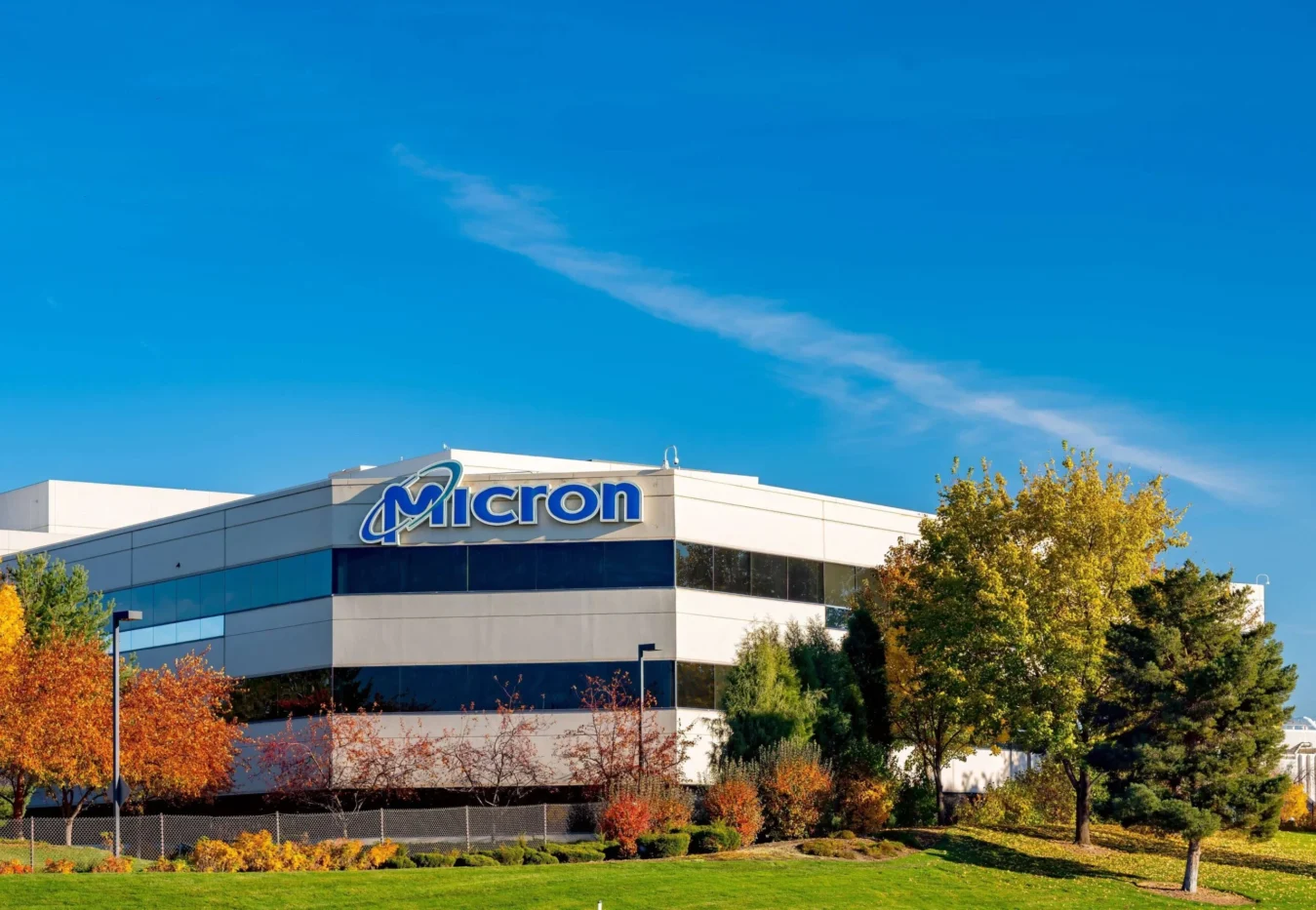
Micron Technology shares have experienced significant volatility throughout recent weeks. Following a descent to $739 at the close on July 29, the semiconductor stock mounted an impressive recovery, finishing at $971.66 on August 14. This represents approximately a 32% surge from the recent bottom over a span of just two weeks.
The summer selloff stemmed from multiple pressures: investors securing gains, anxiety surrounding lower-cost AI solutions emerging from China, intensifying market competition, and worries that memory chip manufacturers might revert to cyclical volatility patterns as production capacity aligns with AI-fueled demand.
MU delivered a 10.7% gain during the previous week, representing its most robust weekly showing in over 60 days, and currently trades just beneath the psychologically significant $1,000 threshold.
Stock Split Prospects for Micron
As MU approaches quadruple-digit territory, market participants are increasingly discussing potential stock split scenarios. Historical precedent suggests feasibility. Booking Holdings revealed a 25-for-1 split on February 18 and executed it by April 6. Carvana disclosed a 5-for-1 split on March 13 and completed implementation by May 7. Both companies accomplished their splits within eight weeks.
This framework indicates Micron theoretically maintains sufficient runway to execute a split before the calendar year concludes. However, market experts suggest probability remains low considering how advanced the year has become and the considerable price swings already experienced.
Multiple factors might discourage corporate leadership from pursuing a split. Administrative expenses and legal requirements represent one consideration. More significantly, companies must weigh the potential turbulence following split announcements. Bank of America analysis reveals stocks that underwent splits delivered average total returns of 25.4% during the 12-month period following announcements, substantially outperforming the S&P 500’s comparable timeframe performance.
Such performance patterns frequently draw speculative traders seeking quick profits from momentum plays before liquidating positions, potentially creating downward pressure when these participants exit.
Apple’s Memory Chip Sourcing Dynamics
Fresh developments have introduced another potential growth driver. Apple has engaged in discussions with U.S. government representatives concerning its memory chip supply chain strategy. Media reports indicated the tech giant had requested authorization to purchase components from Chinese manufacturer ChangXin Memory Technologies (CXMT) and had already initiated testing protocols.
During the weekend, Commerce Secretary Howard Lutnick addressed these reports, asserting the administration’s preference against Apple procuring memory chips from Chinese producers. This statement has captured significant attention from MU investors as it potentially signals increased demand for American memory chip suppliers.
Retail investor sentiment on Stocktwits regarding MU shifted to “bearish” territory notwithstanding the recent price appreciation, indicating doubt among individual traders concerning whether the uptrend can maintain momentum.
Additionally, strength in South Korean equity markets provided supplementary support for the MU rally. Seoul’s KOSPI index, which features substantial exposure to Samsung Electronics and SK Hynix, advanced 2.4% on Monday. Recent correlation between this benchmark and U.S. memory sector stocks has been notable.
MU shares added another 1% during late Sunday overnight trading sessions, pushing the winning streak into a consecutive second week. The stock’s 52-week trading range extends from $113.46 to $1,255.00, with current valuation gravitating back toward the upper boundary.
Get 3 Free Stock Ebooks
Discover top-performing stocks in AI, Crypto, and Technology with expert analysis.
- Top 10 AI Stocks - Leading AI companies
- Top 10 Crypto Stocks - Blockchain leaders
- Top 10 Tech Stocks - Tech giants


