


Key Highlights
- Satya Nadella, Microsoft’s CEO, appeared in court Monday as part of Elon Musk’s legal action against OpenAI
- Elon Musk alleges Sam Altman and OpenAI misled him during the transition from nonprofit to for-profit status
- Musk’s legal strategy focuses heavily on Microsoft internal communications dating back to 2018
- Testimony from OpenAI’s cofounder Ilya Sutskever and CEO Sam Altman is anticipated this week
- A jury panel will provide recommendations regarding liability starting May 18
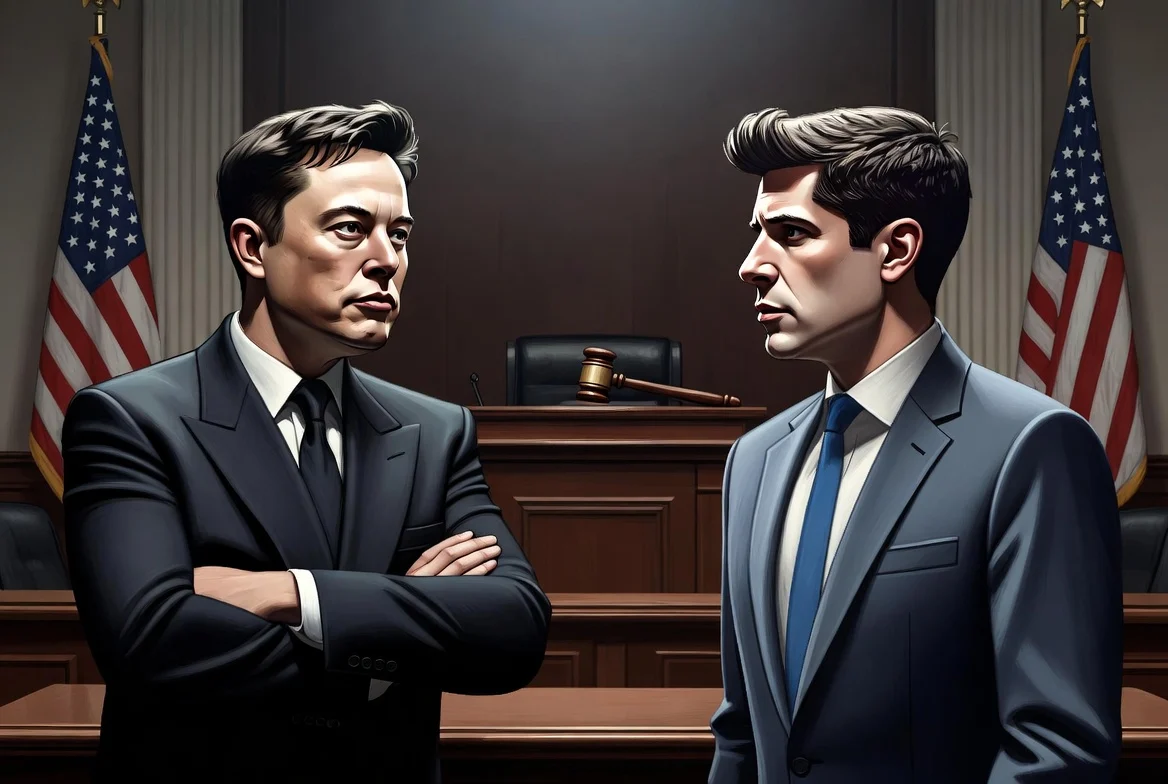
The high-stakes legal confrontation between Elon Musk and OpenAI is approaching its climax, with testimony from major industry figures scheduled before final arguments begin.
On May 11, Satya Nadella, the chief executive of Microsoft, appeared in a California federal courtroom. His appearance marks a pivotal development in proceedings examining whether OpenAI violated its original commitment to function as a nonprofit dedicated to benefiting humanity.
As one of OpenAI’s original founders, Musk contends that Altman alongside OpenAI president Greg Brockman engaged in deception during the organization’s transformation into a profit-driven entity. OpenAI counters that Musk’s true motivation is hampering their progress while his competing AI venture, xAI, attempts to close the competitive gap.
The prosecution’s case relies significantly on internal correspondence from Microsoft dated January 2018. These communications reveal Nadella expressing skepticism about providing OpenAI with discounted Azure cloud services and confusion regarding the nature of OpenAI’s research activities.
Following this correspondence, OpenAI established its for-profit division to attract external capital. Microsoft subsequently invested $1 billion in 2019. The tech giant has now committed a total of $13 billion, with its ownership stake currently valued at approximately $228 billion — representing roughly 27% of OpenAI’s commercial operations.
Musk’s attorneys contend this sequence of events demonstrates Microsoft’s deliberate role in steering OpenAI away from its charitable mission.
How Microsoft Responds
Prior to Nadella’s court appearance, Microsoft mounted a vigorous defense. The company’s legal representatives argued that Microsoft neither participated in nor possessed the capability to violate any charitable trust obligations.
They emphasized that despite having direct access to Nadella’s personal contact information, Musk remained silent about the Microsoft-OpenAI collaboration for five years. Additionally, they referenced a 2020 social media post where Musk stated that OpenAI was “essentially captured by Microsoft,” suggesting he was aware of the commercial relationship well before initiating legal proceedings in 2024.
Upcoming Testimony
Following Nadella’s appearance, Ilya Sutskever, another OpenAI cofounder, is scheduled to provide testimony. Sutskever orchestrated the controversial 2023 attempt to oust Altman from leadership, only to quickly reverse his position and support Altman’s reinstatement. He subsequently departed from OpenAI and has reportedly had no communication with Altman for more than a year, based on 2025 deposition records.
Sam Altman is anticipated to testify later in the week. His credibility represents a cornerstone of Musk’s legal arguments.
Given the civil nature of these proceedings, no criminal conviction is possible. The jury’s responsibility is determining liability and appropriate compensation for Musk. Judge Yvonne Gonzalez Rogers retains ultimate authority over any remedies imposed.
The advisory jury panel is scheduled to present its findings on liability beginning the week of May 18.
Get 3 Free Stock Ebooks
Discover top-performing stocks in AI, Crypto, and Technology with expert analysis.
- Top 10 AI Stocks - Leading AI companies
- Top 10 Crypto Stocks - Blockchain leaders
- Top 10 Tech Stocks - Tech giants


