


Key Highlights
- Natural gas prices in Europe reached a near four-year peak on Wednesday
- Ongoing conflict involving Iran has eliminated approximately 20% of worldwide LNG capacity
- European gas inventories stand at 67% capacity—the lowest pre-winter level since 2009 compared to the 84% five-year norm
- U.S.-based LNG export companies including Cheniere Energy, Venture Global, and NextDecade stand to gain significantly
- Shares of Venture Global have surged 115% year-to-date, with Equinor climbing 83%
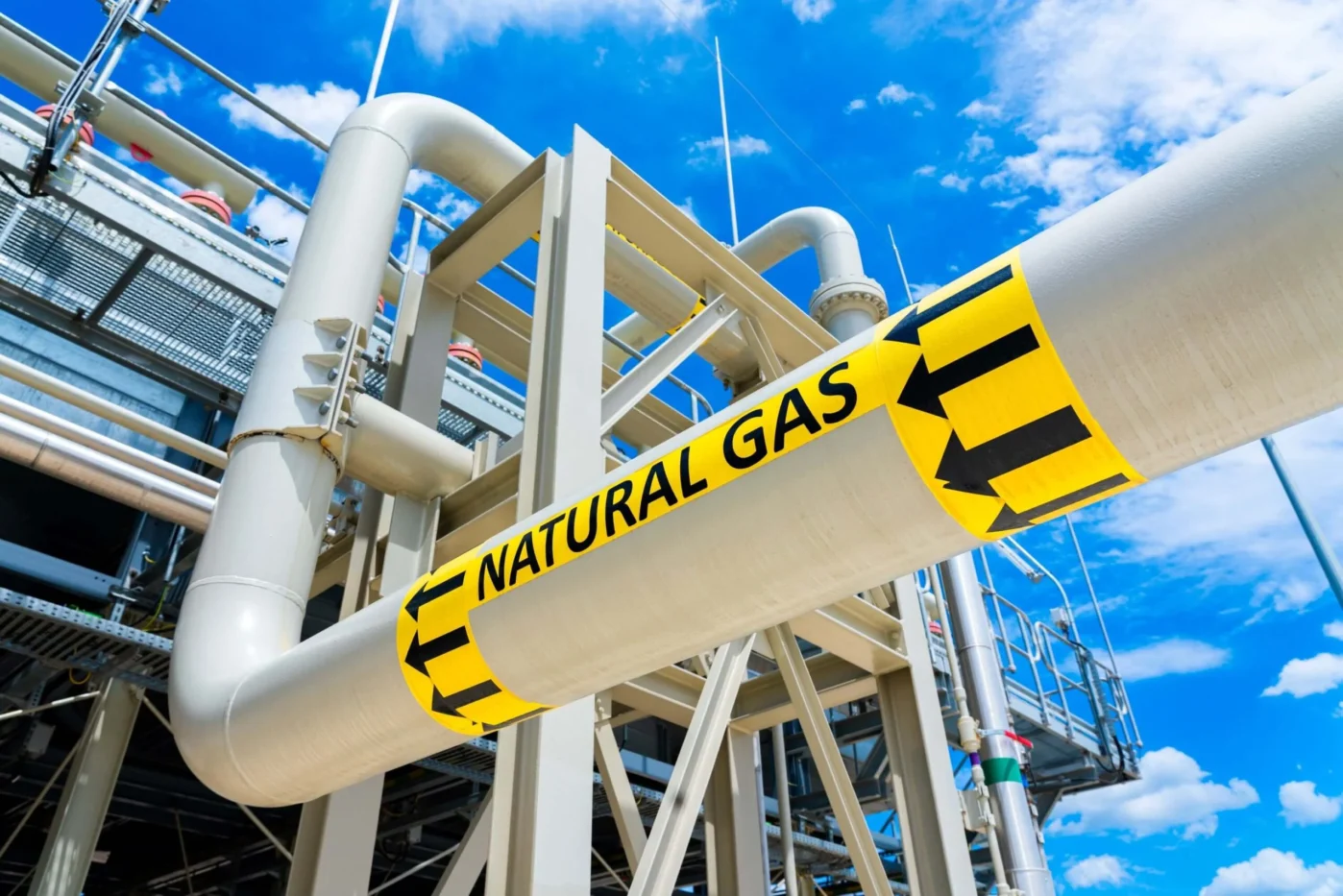
Natural gas markets in Europe experienced a dramatic rally this week, with prices climbing to levels not seen in almost four years as supply constraints linked to the Iran conflict coincide with alarmingly low storage reserves.
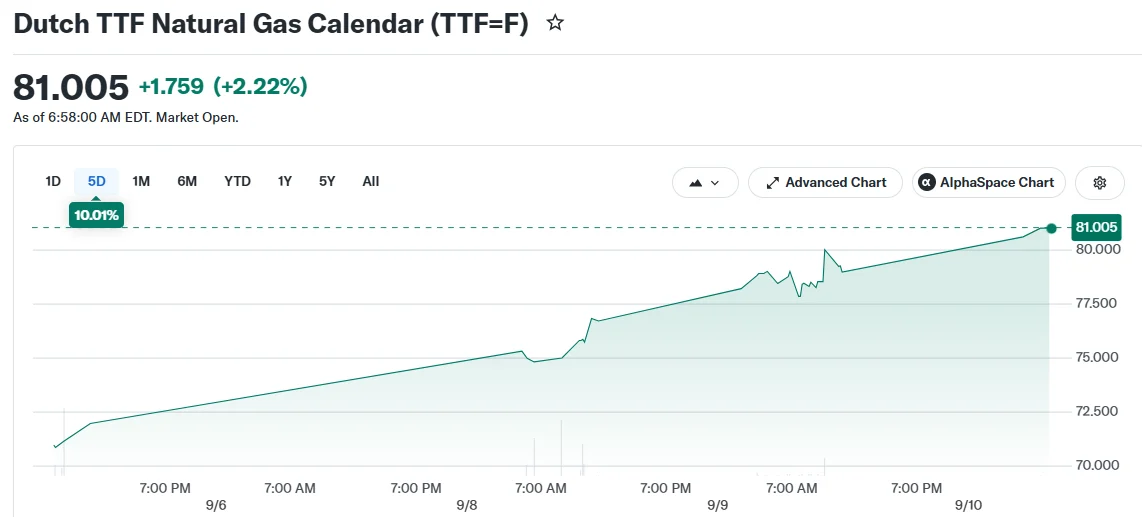
The widely-tracked Dutch TTF futures contract momentarily breached the 80 euros per megawatt-hour threshold before settling around 79.21 euros during early Wednesday sessions. This marks the most elevated pricing since the closing months of 2022.
Driving Forces Behind the Rally
Military operations involving Iran have eliminated approximately one-fifth of the world’s liquefied natural gas output at a particularly challenging moment for European energy security. The region is approaching the critical winter heating period with storage facilities filled to merely 67% of total capacity. Historical data from Wood Mackenzie indicates the typical five-year average for this calendar point sits at 84%.
This significant shortfall is creating anxiety among market participants. Should winter temperatures prove particularly harsh, analysts anticipate prices could escalate further.
An expanding price differential between European and Asian LNG spot markets is compounding the situation. As Asian valuations increase, a greater volume of LNG shipments are redirected eastward, forcing European buyers into more aggressive competition for available supplies.
Across the continent, natural gas serves as the primary fuel source for residential heating systems and power generation facilities, amplifying the consequences for households and policymakers.
Companies Capitalizing on the Surge
U.S. companies specializing in LNG exports are positioned as primary beneficiaries of elevated European market prices. Venture Global, which operates liquefaction facilities along Louisiana’s coast, maintains the highest exposure to spot pricing mechanisms among comparable firms. The company’s shares have appreciated 115% since January.
Cheniere Energy, commanding the position as America’s top LNG exporter, has similarly prospered with a 39% gain year-to-date. NextDecade represents another entity profiting from current market dynamics.
Norway’s Equinor, functioning as Europe’s predominant natural gas producer, has witnessed an 83% stock appreciation this year.
Shell also stands to benefit from the situation. The integrated energy giant procures LNG under fixed-price agreements and markets it in regions with peak demand. Its shares currently trade at a multiple of 10 times projected 2027 earnings, representing a discount compared to competitors such as Exxon Mobil at 15 times.
Certain market participants are monitoring American gas production companies including EQT, Range Resources, Antero Resources, Comstock Resources, and Expand Energy. These domestic producers have underperformed due to surplus conditions in the U.S. market, though they could ultimately benefit should increased export activity support domestic pricing.
American LNG shipments presently represent approximately 20% of aggregate production. Industry projections suggest this proportion will nearly double throughout the 2025-2030 timeframe, potentially creating tighter supply conditions domestically.
Portfolio manager Leigh Goehring of Goehring and Rozencwajg Associates indicated last month he maintains an optimistic outlook on U.S. producers as this structural transformation unfolds.
At present, LNG export specialists and European production companies with direct spot market exposure remain the most obvious beneficiaries of current pricing dynamics.
Get 3 Free Stock Ebooks
Discover top-performing stocks in AI, Crypto, and Technology with expert analysis.
- Top 10 AI Stocks - Leading AI companies
- Top 10 Crypto Stocks - Blockchain leaders
- Top 10 Tech Stocks - Tech giants


