


TLDR
- Novo stock drops 7.65% as pipeline setbacks deepen long-term growth concerns.
- Wegovy still supports sales, but semaglutide patent expiries approach next decade.
- LSEG projects Zepbound sales will exceed Wegovy by more than $7 billion in 2026.
- Novo may pursue more acquisitions and licensing deals to strengthen its pipeline.
- Zenagamtide gains attention as CagriSema setbacks weaken Novo’s succession plan.
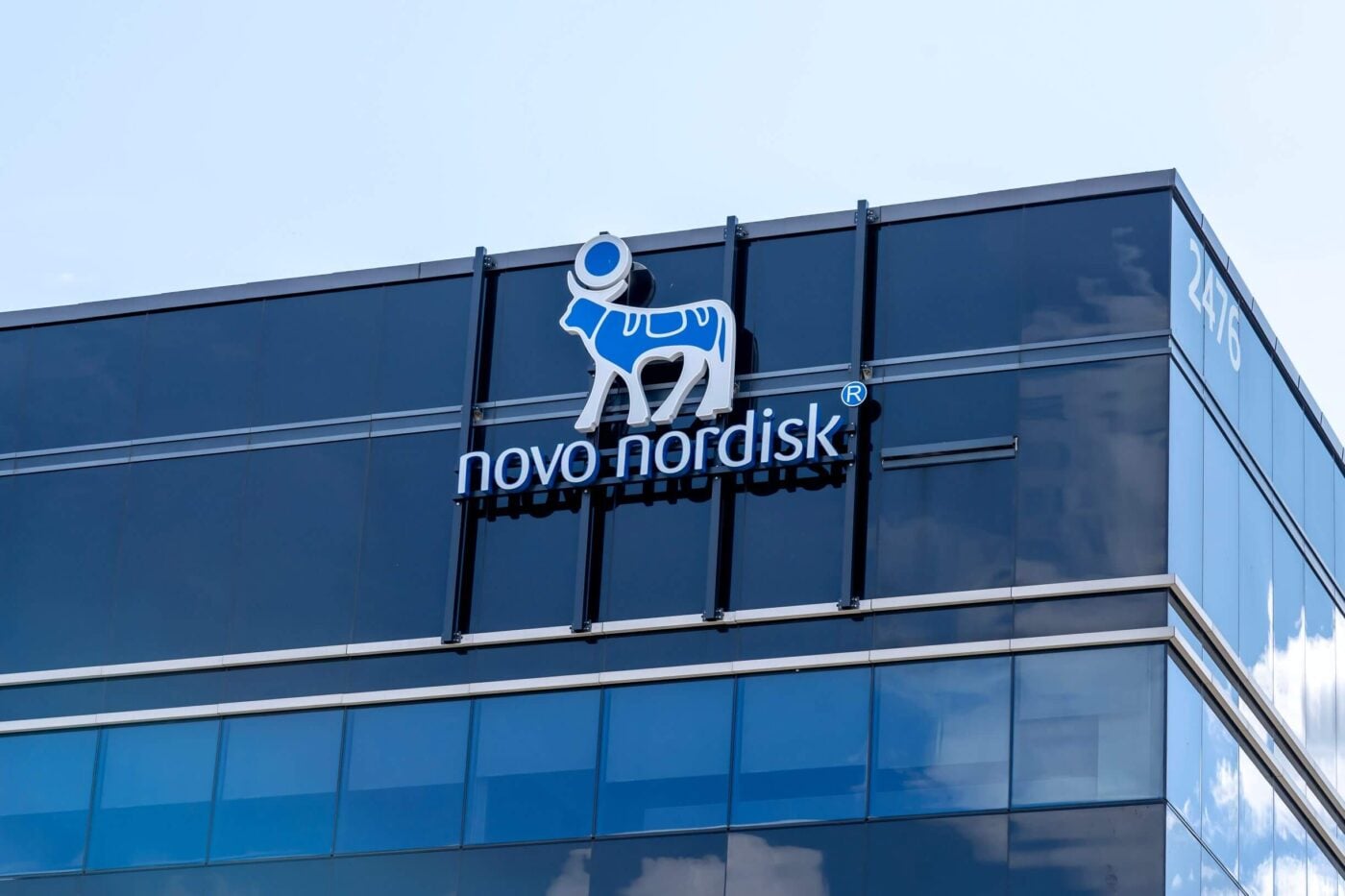
Novo Nordisk shares fell 7.65% to 260.00 as pressure grew around growth targets, competition, and future medicine development plans. Management now faces demands for a clearer strategy beyond semaglutide as major patent expirations approach early next decade. The company still leads obesity markets, but pipeline setbacks have weakened confidence in its longer-term growth path and earnings outlook.
Novo Faces Pressure to Expand Beyond Semaglutide
Novo built much of its recent success around Wegovy and Ozempic, which both use the active ingredient semaglutide. Wegovy’s 2021 launch helped lift Novo into Europe’s most valuable listed company during 2023, with capitalization exceeding $600 billion. However, the company’s share price has since dropped more than 70% from its peak as competition and development risks increased.
LSEG data projects Lilly’s Zepbound sales will exceed Wegovy sales by more than $7 billion during 2026. That gap highlights growing competitive pressure across the global obesity market and raises questions about Novo’s future market share. Meanwhile, semaglutide patent protection begins expiring in the early 2030s, creating another significant challenge for long-term revenue growth.
Novo now needs additional growth engines outside its established diabetes and obesity businesses to reduce concentration risk over time. Cardiovascular treatments and rare diseases could provide new revenue opportunities if management expands through acquisitions or licensing agreements. Such moves would also give Novo more options as its current flagship products move steadily closer to patent expiry.
Pipeline Setbacks Increase Strategy Pressure
CEO Mike Doustdar has tightened costs and removed weak development programs since taking the top job over one year ago. He has also pursued targeted partnerships and acquisitions as Novo works to rebuild its increasingly thin late-stage development pipeline. However, recent clinical setbacks have increased pressure on management to show stronger progress across several upcoming development programs.
Novo recently stopped trials for experimental heart drug ziltivekimab, adding another setback outside its core obesity and diabetes portfolio. The company also faced disappointment from CagriSema, which had carried expectations as a potential successor to Wegovy. Those results increased concerns about whether internal research can deliver enough products before semaglutide exclusivity weakens next decade.
Management raised its 2026 sales and operating profit guidance in August after previously issuing a significantly weaker outlook. The updated range now points to growth between zero and minus 6% at constant exchange rates versus 2025. Even so, that improvement does not remove questions surrounding medium-term targets, product diversification, and future earnings durability.
Wegovy Pill Supports Near-Term Position
Novo still holds an important near-term advantage through the Wegovy pill, which reached the market before Lilly’s competing oral treatment. The oral medicine broadens access for patients who prefer pills instead of injectable weight-loss treatments across major markets. However, the pill still relies on semaglutide and therefore does not solve the company’s approaching patent challenge.
The company also faces rising competition from drugmakers developing obesity treatments with different mechanisms, formats, and dosing options. AstraZeneca and other rivals are building pipelines that could increase pressure on established medicines later this decade. Therefore, Novo’s future growth will depend on stronger differentiation and a broader pipeline across several therapeutic areas.
Novo may also shift more development attention toward zenagamtide after weaker results reduced enthusiasm around CagriSema among market analysts. A stronger external deal strategy could complement internal development and add late-stage assets before major patent expirations arrive. For now, Novo’s market position remains substantial, but its next growth phase requires clearer targets, broader execution, and revenue sources.
Get 3 Free Stock Ebooks
Discover top-performing stocks in AI, Crypto, and Technology with expert analysis.
- Top 10 AI Stocks - Leading AI companies
- Top 10 Crypto Stocks - Blockchain leaders
- Top 10 Tech Stocks - Tech giants


