


Key Takeaways
- Novo Nordisk shares plunged almost 8% on Monday, marking the largest single-day decline since February
- CEO Mike Doustdar announced the company is exploring acquisitions to address pipeline deficiencies, especially in cardiovascular treatments
- Patents for blockbuster drugs Ozempic and Wegovy expire in the early 2030s, representing approximately 75% of revenue
- The Danish drugmaker aims to launch more than five blockbuster medications by 2030 and generate over $23 billion in additional revenue by 2035
- Novo has bought back DKK 9.63 billion worth of B shares as part of its DKK 15 billion share repurchase initiative
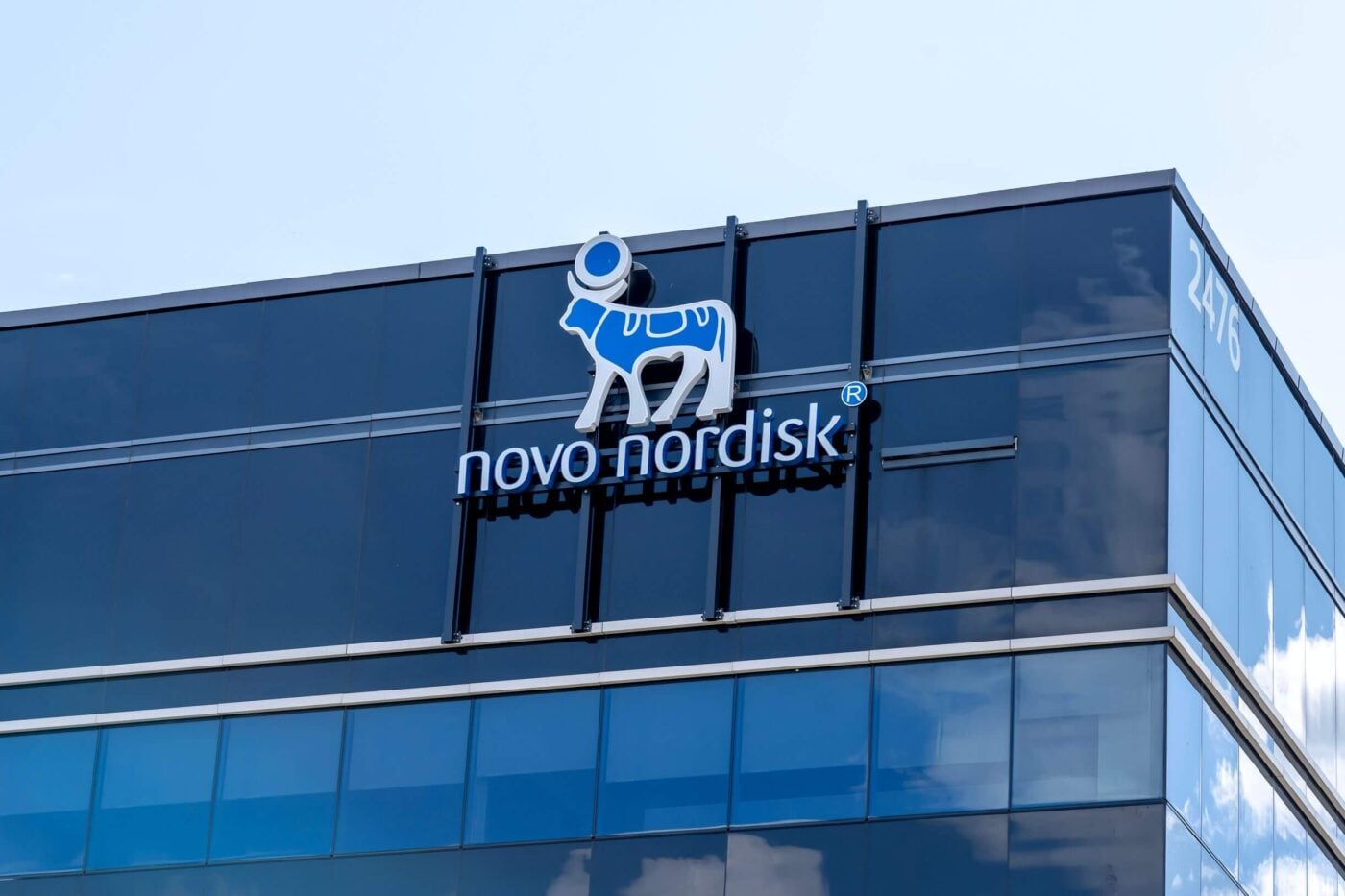
Novo Nordisk shares tumbled nearly 8% on Monday following a capital markets day presentation that left investors unconvinced about the pharmaceutical giant’s future drug pipeline. Trading at $39.80, down $3.44, the stock continued sliding modestly into Tuesday’s session.
The sharp decline reflected investor sentiment that Novo’s announced targets were already anticipated by the market rather than representing upside surprises.
CEO Mike Doustdar addressed the negative market response directly. In an interview with CNBC’s “Squawk Box Europe,” he stated: “We talked about diversification of the company, but yet the reaction tells me that there’s still some work to do in convincing some of the investors.”
Doustdar also recognized the company’s trust deficit with investors. “What we have learned the last couple of years is overpromising and underdelivering loses trust very quickly,” he explained to Bloomberg TV.
Despite announcing ambitious goals including launching more than five blockbuster therapies by 2030 and generating over $23 billion in fresh revenue by 2035, the market remained skeptical.
Looming Patent Expiration Drives Investor Anxiety
The fundamental problem centers on approaching patent cliffs. Wegovy and Ozempic, which collectively generate roughly three-quarters of Novo’s total revenue, will lose patent protection in major markets including the United States and Europe during the early 2030s.
This creates an urgent timeline for developing a robust pipeline capable of offsetting that massive revenue loss. Doustdar revealed the company is actively pursuing strategic acquisitions to address therapeutic gaps, with particular emphasis on areas complementary to obesity such as cardiovascular disease.
The cardiovascular focus intensified after ziltivekimab, Novo’s experimental cardiac drug, failed to demonstrate reduction in heart attack risk during clinical trials this year. Doustdar indicated the company is now evaluating whether this therapeutic gap requires an external acquisition to fill.
He observed that attractive acquisition opportunities in obesity itself remain scarce, suggesting M&A activity will concentrate on complementary treatment areas.
CagriSema Under Investor Scrutiny
CagriSema, Novo’s next-generation obesity treatment candidate, has emerged as a critical focus for investors. Doustdar expressed confidence it would rank among the company’s most successful product launches next year.
Nevertheless, expectations have moderated. The drug showed inferior weight reduction compared to Eli Lilly’s Zepbound in direct comparative trials earlier this year, complicating Novo’s commercial positioning strategy.
Regarding capital allocation, Novo has maintained momentum in its share repurchase program. During the period from September 14-18, 2026, the company acquired an additional 1.09 million B shares. Since launching in February, total buybacks have reached 34.17 million B shares valued at DKK 9.63 billion, representing progress toward the DKK 15 billion authorized program.
Current analyst consensus rates NVO as a Hold with a $47.00 target price. The company maintains a market capitalization of approximately $191.7 billion.
Get 3 Free Stock Ebooks
Discover top-performing stocks in AI, Crypto, and Technology with expert analysis.
- Top 10 AI Stocks - Leading AI companies
- Top 10 Crypto Stocks - Blockchain leaders
- Top 10 Tech Stocks - Tech giants


