


Key Highlights
- Shares of Novo Nordisk declined up to 9% on Monday following the pharmaceutical company’s presentation of strategic objectives and forecasts extending to 2030.
- The Danish drugmaker anticipates yearly revenue expansion between 2026 and 2030 will align with comparable large pharmaceutical companies.
- By the end of the decade, Novo aims to bring to market over five medications with potential for multi-blockbuster performance.
- The pharmaceutical giant projects pipeline sales exceeding DKK 150 billion (approximately $23 billion) on a risk-adjusted basis by 2035.
- Chief Executive Mike Doustdar indicated the company’s strategy includes increased diversification ahead of semaglutide patent expirations in the early 2030s.
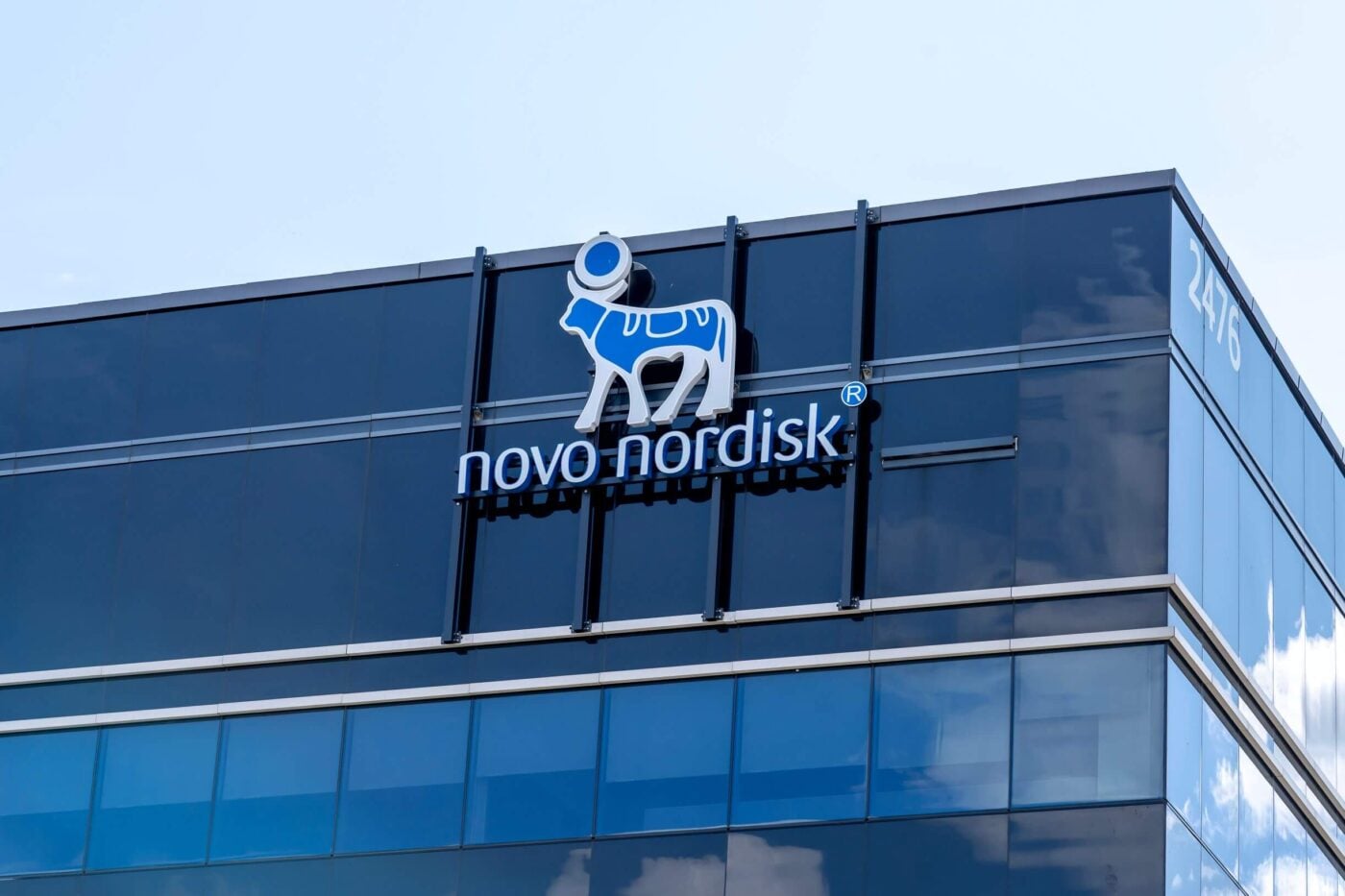
Novo Nordisk (NVO) shares experienced a significant decline Monday as market participants assessed the pharmaceutical company’s updated long-range strategic vision. The Copenhagen-traded equity fell as much as 9% intraday following the company’s London presentation outlining objectives through 2030.
The negative market response followed Novo’s announcement that it anticipates compound annual revenue expansion from 2026 through 2030 will broadly align with industry peers in the pharmaceutical sector. The company also projects its adjusted operating margin will remain relatively stable during this period.
These projections represent strategic objectives rather than formal financial guidance. The company emphasized that 2026 serves as the baseline for these figures and that significant uncertainty surrounds the forecasts.
The pharmaceutical company is positioning itself for the period following the exceptional growth generated by its Wegovy and Ozempic franchises in recent years. Chief Executive Mike Doustdar recognized that the impending expiration of patent exclusivity for semaglutide represents a key concern for shareholders.
Pipeline Strategy Includes Five Major Product Launches
The Danish drugmaker intends to introduce more than five pharmaceutical products with multi-blockbuster commercial potential before the decade concludes. Additionally, the company forecasts its risk-adjusted development pipeline will generate over DKK 150 billion (approximately $23 billion) in revenue by 2035.
Novo’s development strategy includes advancing at least five Phase 3 clinical programs focused on obesity and diabetes management. An additional five or more late-stage programs are planned across various other disease categories.
Novo has established an objective to treat more than 60 million patients globally by decade’s end. The company plans to scale its manufacturing capabilities for oral obesity therapies to accommodate approximately 15 million patients.
The organization is expanding its development focus beyond obesity and diabetes indications. Therapeutic categories identified for additional investment encompass cardiovascular disorders, hepatic diseases, hematological conditions, and endocrine system disorders.
Doustdar stated the company’s intention to transition through the semaglutide exclusivity expiration as an expanded and more therapeutically diverse organization. Patent protection for semaglutide in the United States is scheduled to expire in 2032.
Market Expected More Aggressive Expansion Targets
The bearish market response indicates investors had anticipated more ambitious financial projections. Novo’s objective to expand at rates comparable to major pharmaceutical competitors marks a deceleration from the growth trajectory investors experienced during Wegovy’s rapid commercial success.
The company entered the trading session already facing headwinds. Prior to Monday, its U.S.-traded shares had declined approximately 27% over the trailing twelve months, while competitor Eli Lilly had advanced.
The competitive dynamic with Lilly continues to shape Novo’s obesity market strategy. Lilly’s Zepbound has captured injectable treatment market share, and both companies are simultaneously pursuing oral weight-loss medication opportunities.
The company did announce positive clinical results Monday. CagriSema demonstrated mean weight reduction of 12.4% in a late-stage diabetes trial versus 9.1% for a lower-dose regimen of Lilly’s tirzepatide.
Novo has outlined a phased introduction of next-generation obesity therapies commencing with CagriSema in early 2027, with subsequent product launches scheduled through 2028 and beyond.
The company’s updated 2030 strategic framework encompasses pipeline expansion, increased oral GLP-1 manufacturing capacity, and therapeutic area diversification beyond obesity. Management reiterated Monday that the organization’s long-term objective continues to be serving more than 60 million patients worldwide by 2030.
Get 3 Free Stock Ebooks
Discover top-performing stocks in AI, Crypto, and Technology with expert analysis.
- Top 10 AI Stocks - Leading AI companies
- Top 10 Crypto Stocks - Blockchain leaders
- Top 10 Tech Stocks - Tech giants


