


Key Highlights
- On September 3, 2026, Oura submitted its S-1 registration statement, advancing toward a public offering on Nasdaq with the ticker symbol OURA
- The wearable health technology firm generated $1.4 billion in sales and posted $59 million in net earnings for the fiscal year concluded in June 2026
- Sales increased 74% compared to the previous year, although management cautioned that expansion rates might decelerate
- The platform serves 5 million paying subscribers and distributes products across 56 international markets through approximately 8,400 brick-and-mortar stores
- Management highlighted potential challenges including trade tariffs, dependence on a limited group of major retailers, and reliance on external artificial intelligence providers such as OpenAI, Anthropic, and Google
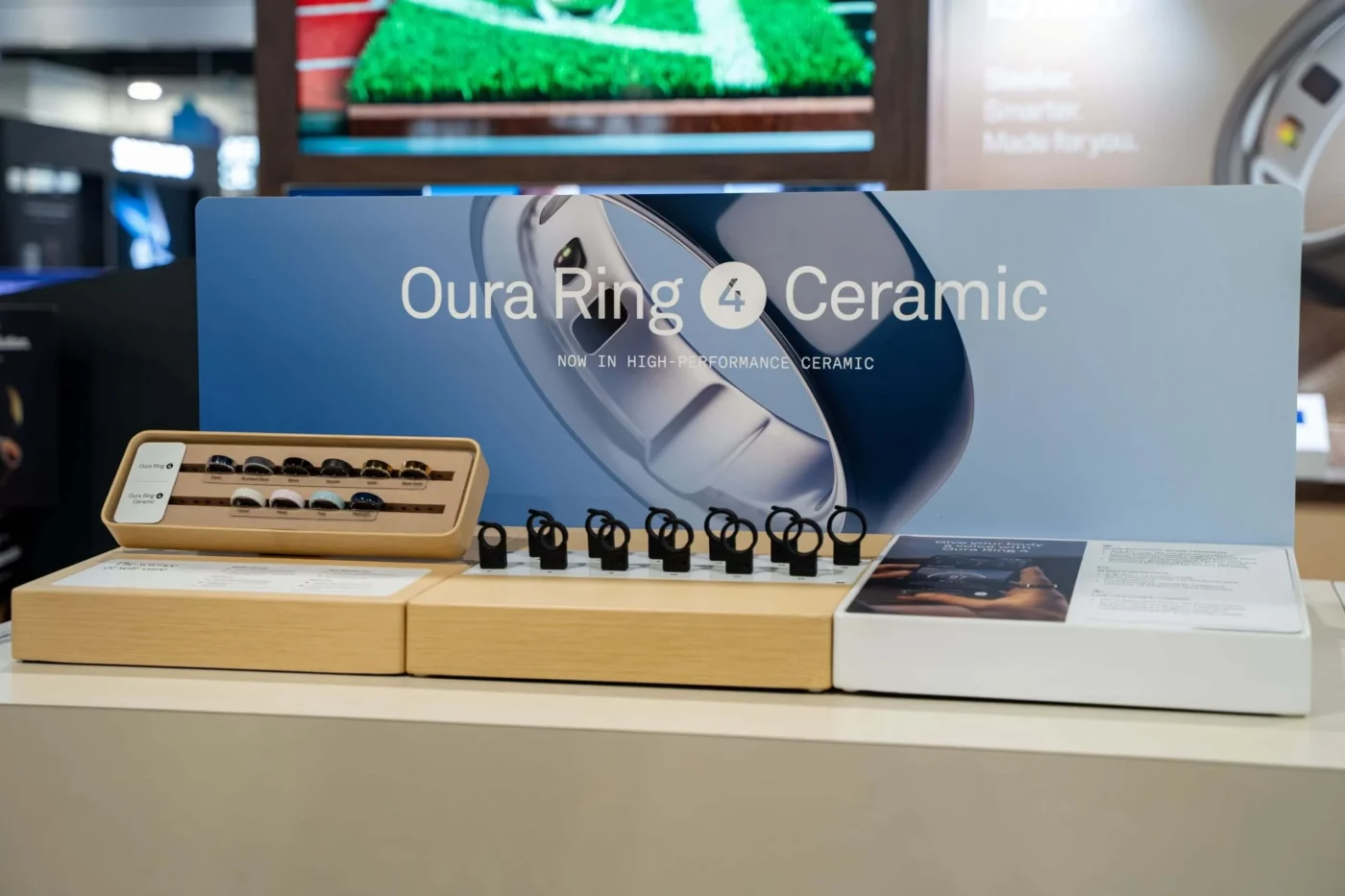
Oura, the health technology company responsible for creating the Oura Ring wearable device, submitted its S-1 registration statement to the Securities and Exchange Commission this Thursday, progressing toward a public market debut on the Nasdaq exchange.
The smart ring manufacturer intends to trade publicly using the ticker symbol OURA. Goldman Sachs, Morgan Stanley, and J.P. Morgan serve as primary underwriters for the offering.
The regulatory disclosure highlights impressive financial momentum. The company generated $1.4 billion in total sales and achieved $59 million in net profitability during the twelve-month stretch ending in June 2026.
During the nine-month window concluding in June 2026, sales reached $1.21 billion, marking a 74% increase over the comparable timeframe from the prior year.
Gross earnings for those nine months totaled $662 million, reflecting a 55% profit margin.
Strong Sales Figures Accompanied by Cautionary Notes
While the financial metrics appear robust, Oura maintained transparency regarding its operating history. Management acknowledged the company has experienced “a history of operating losses” and only “recently achieved profitability.”
The filing emphasized that sustained profitability cannot be guaranteed moving forward.
During the nine-month period through June 2026, Oura documented losses totaling $924 million against sales of $1.21 billion. The corresponding period one year earlier showed losses of $182.8 million on revenues of $697.6 million.
Management also warned that ongoing international trade disputes and potential tariff implementations could drive manufacturing costs higher.
Revenue Streams and Subscriber Base
The company operates on a dual revenue model: direct sales of the Oura Ring hardware device and recurring subscription revenue through Oura Membership plans.
As of June 2026, the platform supported 5 million paying subscribers. Approximately 72% of the membership base consists of female users.
During the twelve months ended June 2026, Oura distributed 3.6 million ring units. Users wear the device an average of roughly 23 hours daily.
The company maintains distribution channels spanning 56 countries through approximately 8,400 physical retail outlets, including partnerships with Amazon, Best Buy, Target, Costco, and Walmart. International markets outside the United States account for less than 20% of hardware sales.
Roughly 40% of new subscriber acquisition occurs through organic channels, and the 12-month member retention rate stands at approximately 85%.
Dependencies and Strategic Alliances
The filing disclosed that two major retail customers collectively represented 12% and 10% of total revenue during the nine-month reporting period, indicating significant concentration among distribution partners.
Management also revealed that the platform’s functionality depends on artificial intelligence technology from OpenAI, Anthropic, and Google, alongside third-party data infrastructure providers. The company cautioned that service interruptions from these vendors could impact business operations.
Oura maintains collaborative relationships with Dexcom, Natural Cycles, ResMed, Strava, and additional partners to broaden its health ecosystem.
According to the filing, the company targets a serviceable addressable market exceeding $90 billion spanning fitness tracking, digital healthcare, and connected biosensor technologies.
The executive team includes CEO Thomas Hale, who previously served as President at Momentive, and CFO Sean Brecker, former CEO of Headspace.
Capital raised through the public offering will fund technology innovation, operational expenses, and general corporate initiatives.
Get 3 Free Stock Ebooks
Discover top-performing stocks in AI, Crypto, and Technology with expert analysis.
- Top 10 AI Stocks - Leading AI companies
- Top 10 Crypto Stocks - Blockchain leaders
- Top 10 Tech Stocks - Tech giants


