


Key Highlights
- Finnish wearable tech firm Oura is preparing for an autumn IPO with a targeted valuation exceeding $16 billion, representing a significant increase from its $10.9 billion valuation in 2024
- Revenue figures show rapid growth: $500 million in 2024, approximately $1 billion in 2025, with projections of $2 billion for 2026
- Traditional IPO activity in the U.S. has generated $137 billion year-to-date, positioning 2026 for a potential record-breaking year
- AI firm Anthropic’s anticipated public offering could reach $100 billion, potentially eclipsing the 2021 total of $156 billion
- A recently filed class action suit challenges Oura’s claims regarding the precision of its sleep monitoring technology
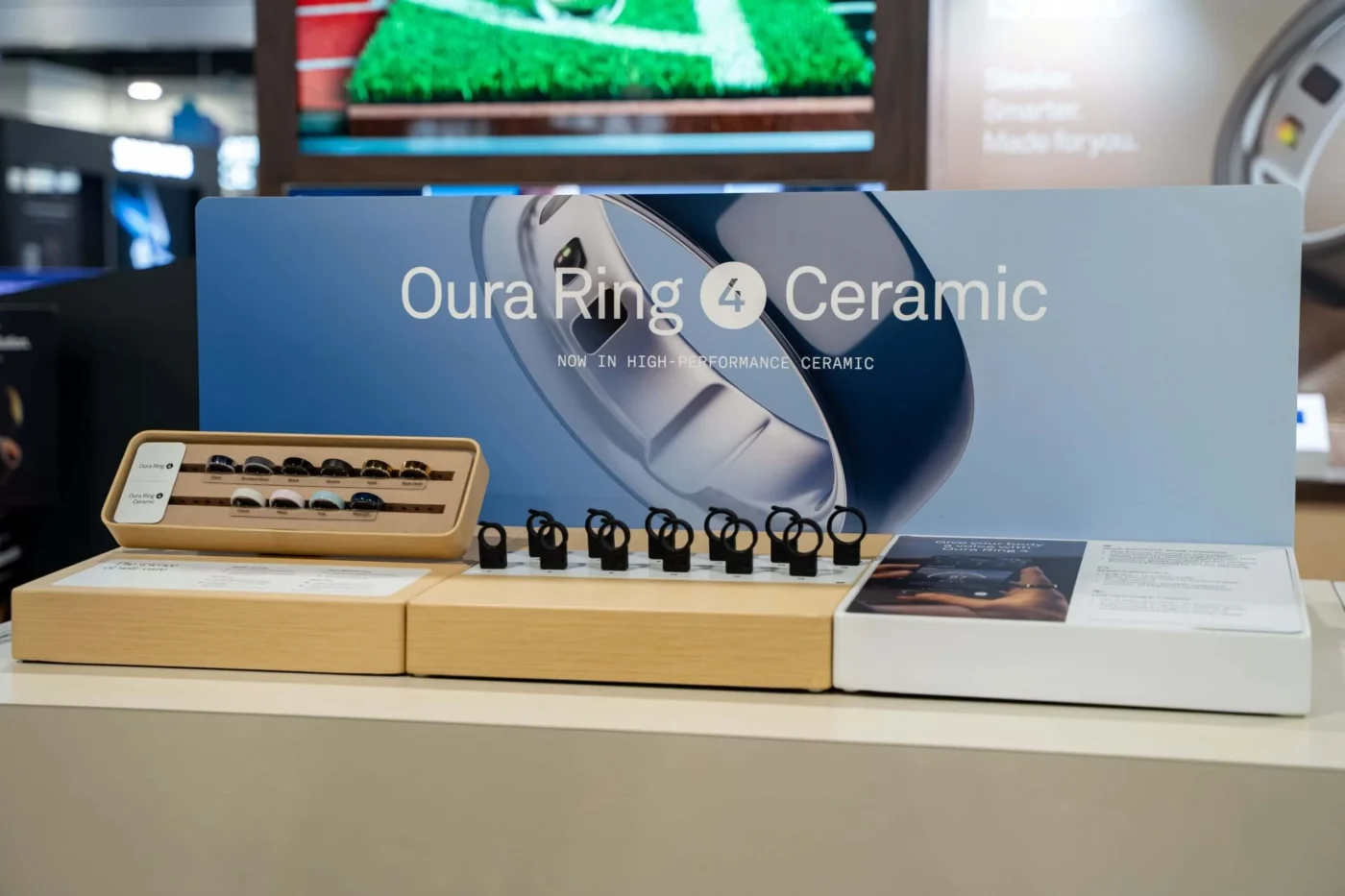
The health technology company Oura is preparing to launch its initial public offering during the third or fourth quarter of this year, seeking a market capitalization surpassing $16 billion. This represents substantial growth from the Finnish company’s $10.9 billion valuation achieved last September following the completion of an $875 million Series E funding round.
The wearable technology manufacturer plans to raise as much as $3 billion through the public offering. A significant portion of the shares are anticipated to come from existing stakeholders looking to liquidate their positions.
In May, Oura submitted its IPO documentation under confidential filing procedures. The organization maintains operations in both San Francisco and Finland, with a workforce exceeding 900 employees.
Financial Performance
According to company reports, Oura generated $500 million in revenue during 2024. This figure approximately doubled to $1 billion in 2025, with forecasts suggesting the company will approach $2 billion in revenue by 2026.
Additional financial information will be disclosed when the company’s S-1 registration statement becomes publicly accessible.
The smart ring manufacturer has successfully transitioned from serving a specialized market of health enthusiasts and executives to becoming a widely recognized brand in the sleep and wellness monitoring space. Key competitors in the market include Samsung’s Galaxy Ring and Whoop, the fitness tracker company that achieved a $10 billion valuation this past March.
Litigation Challenges
The company recently encountered headwinds in the form of legal action. A proposed class action complaint was submitted last week in a San Francisco court, alleging that Oura made deceptive statements regarding the precision of its sleep tracking capabilities.
The legal filing asserts that Oura exaggerated its technology’s capacity to accurately identify different sleep stages, a function that traditionally requires specialized medical equipment such as electroencephalography sensors and ocular monitoring devices.
In response, Oura defended its technology, stating that its sleep stage detection has undergone verification through numerous independent research studies and demonstrated comparable accuracy to polysomnography, which serves as the medical industry’s benchmark for sleep analysis.
Robust IPO Pipeline
Oura joins a growing list of enterprises preparing for public market debuts in the upcoming months. Inspire Brands, the conglomerate behind restaurant chains Dunkin’ and Arby’s, is also targeting a late 2026 public listing.
Infrastructure companies Switch and SB Energy are currently conducting investor roadshows in preparation for potential market entries. Artificial intelligence company Anthropic’s prospective IPO could generate up to $100 billion in capital, which would propel 2026’s total proceeds far beyond the 2021 benchmark of $156 billion.
This year’s newly public companies are demonstrating strong market performance, with shares trading an average of 21% above their offering prices, based on Dealogic analytics.
SpaceX’s massive $86 billion June debut helped establish momentum for subsequent offerings, despite the fact that its shares have retreated to initial pricing levels.
OpenAI is also evaluating a potential public listing, though timing may extend into 2027. The artificial intelligence leader recently disclosed to investors that quarterly revenue increased 18% from the first to second quarter, though the company’s losses expanded during the same period.
Get 3 Free Stock Ebooks
Discover top-performing stocks in AI, Crypto, and Technology with expert analysis.
- Top 10 AI Stocks - Leading AI companies
- Top 10 Crypto Stocks - Blockchain leaders
- Top 10 Tech Stocks - Tech giants


