


Key Highlights
- Nearly 47,000 Samsung Electronics employees launched an 18-day walkout on May 21 following failed wage discussions
- Samsung’s shares declined approximately 3% on the Korea Exchange after negotiations broke down
- Employees are seeking bonus payments equivalent to 15% of yearly operating profit and elimination of the 50% salary bonus limit
- Samsung turned down a government mediation offer, describing union requests as unreasonable
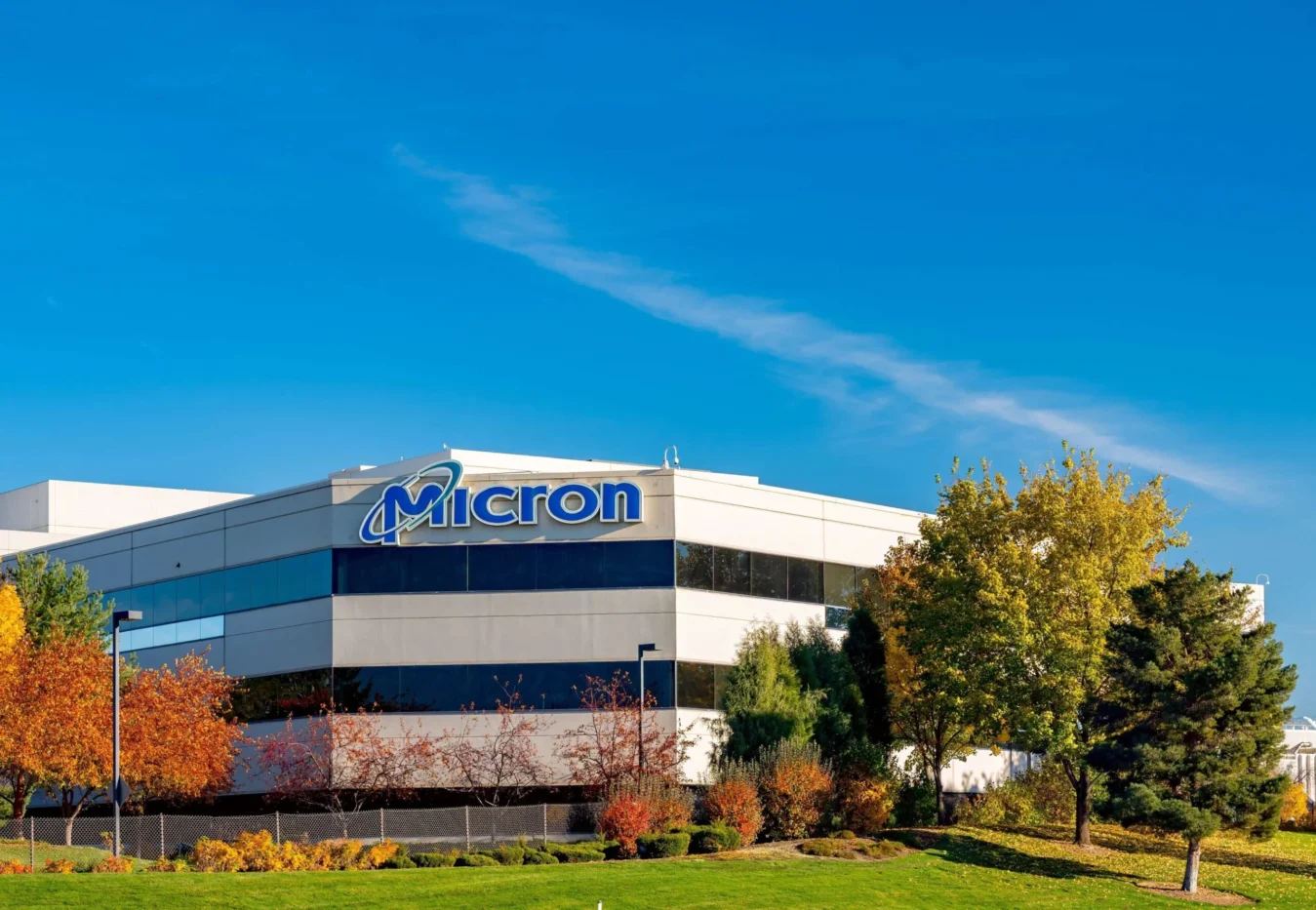
- Rival chipmakers Micron and SanDisk saw gains in premarket sessions as traders considered possible supply chain interruptions
Samsung Electronics is confronting its most significant labor dispute to date. Nearly 47,000 employees initiated an 18-day work stoppage on Thursday, May 21, following the breakdown of compensation negotiations with management.
The labor action comes after a government-brokered agreement fell through. The union representing Samsung workers had accepted the mediation proposal put forward by South Korea’s National Labor Relations Commission. However, Samsung requested additional time for deliberation before ultimately rejecting the terms.
Union representative Choi Seung-ho expressed frustration with the outcome. “We express deep regret that the post-mediation process was terminated due to the delay in management’s decision-making,” Choi stated.
Samsung countered by asserting the union’s proposals “could undermine the fundamental principles of company management.” The electronics giant indicated its willingness to continue negotiations.
Employee Compensation Demands
The central issue revolves around Samsung’s compensation structure. Employees are demanding bonus payments calculated at 15% of the corporation’s annual operating profit. This figure exceeds the 10% threshold that workers at competitor SK Hynix accepted.
Additionally, workers seek elimination of the existing cap restricting bonus distributions to 50% of annual salary. They’re advocating for a standardized bonus framework and guaranteed compensation for staff in divisions experiencing financial losses.
Analyst Kamil Dimmich of North of South Capital indicated that permanently removing the bonus ceiling would negatively impact Samsung’s bottom line.
Samsung shares initially tumbled roughly 3% on the Korea Exchange following the announcement. However, by Thursday’s market close, the stock had rebounded significantly, finishing down just 0.2% after touching lows of 4% during intraday trading.
Official Response and Competitive Implications
South Korean President Lee Jae Myung and Prime Minister Kim Min-seok both pressed for resolution before the strike deadline. The Prime Minister indicated the government might deploy emergency intervention if the work stoppage poses risks to the national economy.
South Korean legislation permits the labor minister to implement an emergency adjustment directive, potentially suspending strikes for up to 30 days.
A South Korean court additionally mandated that strike activities must not disrupt safety protocols or harm semiconductor production infrastructure.
Samsung represents approximately 25% of South Korea’s aggregate exports and maintains its position as the global leader in memory chip manufacturing.
Competitors Capitalize on Market Volatility
Micron shares jumped 3.9% during Thursday’s premarket session. SanDisk advanced 2.2%. Market participants are evaluating whether an extended work stoppage might constrain Samsung’s chip production capacity and create opportunities for rivals.
Analyst Jordan Klein of Mizuho projected supply is “going to remain well below DRAM and NAND demand all 2026 and probably all 2027.” He suggested pricing should sustain elevated levels.
SK Hynix shares finished the trading day unchanged.
Wall Street analysts maintain a Moderate Buy rating consensus on Samsung’s US-listed shares, establishing an average target price of $149.40, suggesting approximately 6.71% potential upside. The stock has appreciated roughly 115% year-to-date.
Get 3 Free Stock Ebooks
Discover top-performing stocks in AI, Crypto, and Technology with expert analysis.
- Top 10 AI Stocks - Leading AI companies
- Top 10 Crypto Stocks - Blockchain leaders
- Top 10 Tech Stocks - Tech giants


