


Key Takeaways
- Senate postpones Digital Asset Market Clarity Act vote until after August recess
- Majority Leader John Thune announced the vote will proceed in September following lawmakers’ return on Sept. 14
- Democratic senators opposed the vote due to ethics language related to President Trump
- Passage requires 60 votes, though current support may not even reach 50 votes
- Industry advocates express frustration but remain committed to advancing crypto regulation
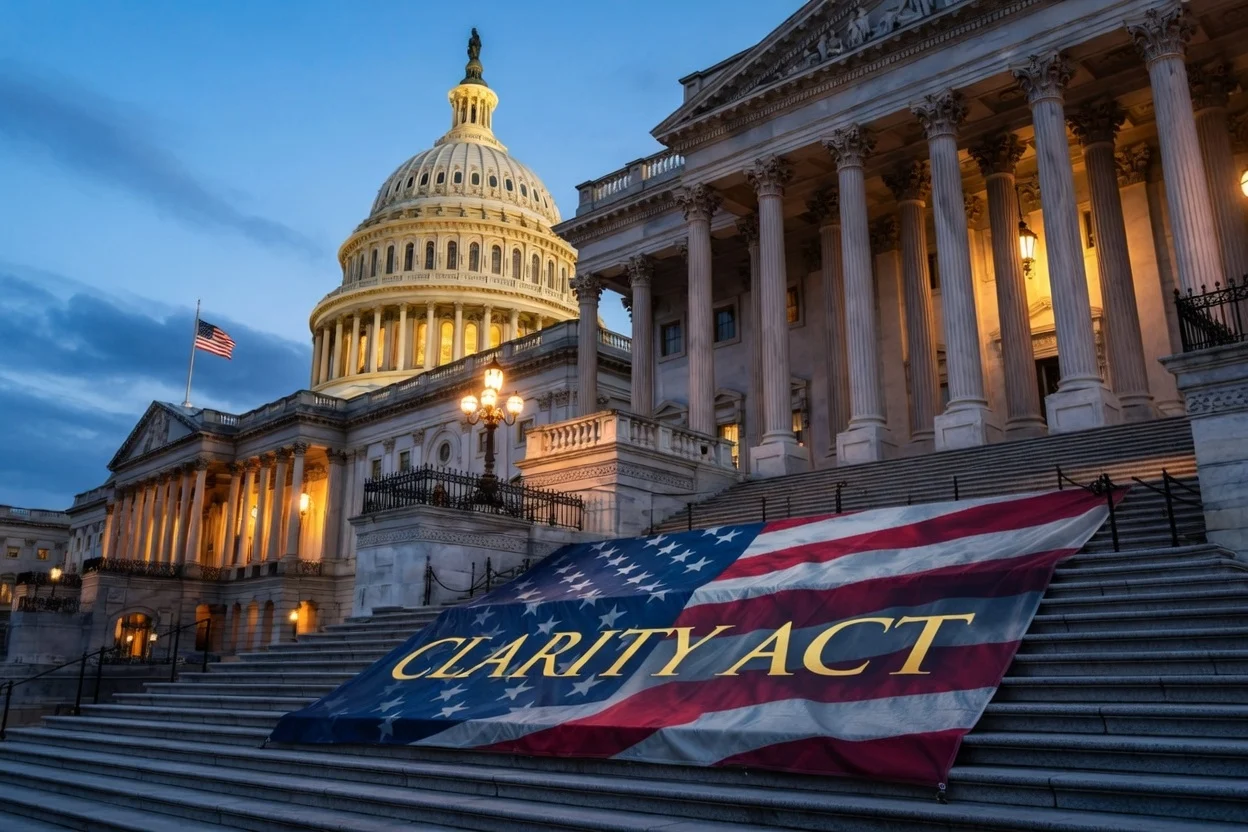
The United States Senate has postponed consideration of the Digital Asset Market Clarity Act until September at the earliest. Majority Leader John Thune announced the postponement as lawmakers prepared to begin their August recess.
According to Thune, Democratic lawmakers remained “insistent on no Clarity vote” during the current session. He emphasized the legislation would become a primary focus when the Senate reconvenes in Washington on September 14.
This legislation represents one of the most significant regulatory proposals for the cryptocurrency sector. The measure would establish a comprehensive federal regulatory structure for digital assets while delineating jurisdictional boundaries between the Securities and Exchange Commission and the Commodity Futures Trading Commission.
Despite receiving approval from both the Senate Banking Committee and Agriculture Committee independently, advancing the bill to a complete Senate floor vote has encountered substantial obstacles.
Ethics Language Sparks Democratic Resistance
A contentious ethics clause targeting President Trump has emerged as the primary obstacle to the bill’s advancement. Trump’s financial disclosures revealed over $1 billion in earnings from cryptocurrency ventures during 2025.
Despite Trump’s acceptance of ethics language negotiated by Senator Cynthia Lummis, multiple Democrats and at least one Republican—Senator Thom Tillis—raised objections regarding the proposed wording.
Senators Tillis and Ruben Gallego prepared an alternative ethics proposal, submitting it to the White House in late July. No official White House statement addressing this alternative had been released at the time of writing.
Additional unresolved matters include provisions from the Agriculture Committee, law enforcement apprehensions, and debates surrounding stablecoin interest payments and reward mechanisms.
Crypto Sector Voices Frustration
Digital Chamber CEO Cody Carbone, representing a leading crypto industry organization, stated the battle remains “far from over.” His organization pledges continued efforts to establish consensus before the September session.
Ji Hun Kim, CEO of the Crypto Council for Innovation, characterized the postponement as “disappointing.” He cautioned that each passing day without regulatory clarity drives American cryptocurrency users and developers toward international jurisdictions.
September Timeline and Vote Prospects
Overcoming a Senate filibuster requires 60 affirmative votes. Current vote counts remain uncertain, with the legislation potentially lacking even the 50-vote threshold, as multiple Republican senators have publicly declared their opposition.
Thune retains the option to file for cloture before lawmakers depart. Should he pursue this route, the initial procedural vote could occur as soon as September 15. Alternatively, waiting until the Senate reconvenes would push the earliest possible vote to September 16.
Senate Banking Committee Chair Tim Scott previously insisted the chamber should vote before recess “without any question,” though circumstances prevented that outcome.
With the Senate scheduled to reconvene on September 14, legislators will have approximately three weeks to advance the Clarity Act while managing other pending legislative priorities.

