


Key Takeaways
- Shares of SoftBank Group declined 3.1% to 6,154.0 yen following Oracle’s force majeure notification regarding a critical data center venture.
- The notice concerns potential power supply setbacks at Project Jupiter, a component of the ambitious $500 billion Stargate AI initiative.
- This week, SoftBank secured $11.1 billion through corporate bond offerings to support its artificial intelligence ventures, including its stake in OpenAI.
- The newly issued bonds carry interest rates between 7.125% and 9.75%, representing a significant increase from the company’s 2021 financing round.
- Market analysts note widening credit spreads on AI-sector bonds, indicating heightened investor caution toward AI-related financing.
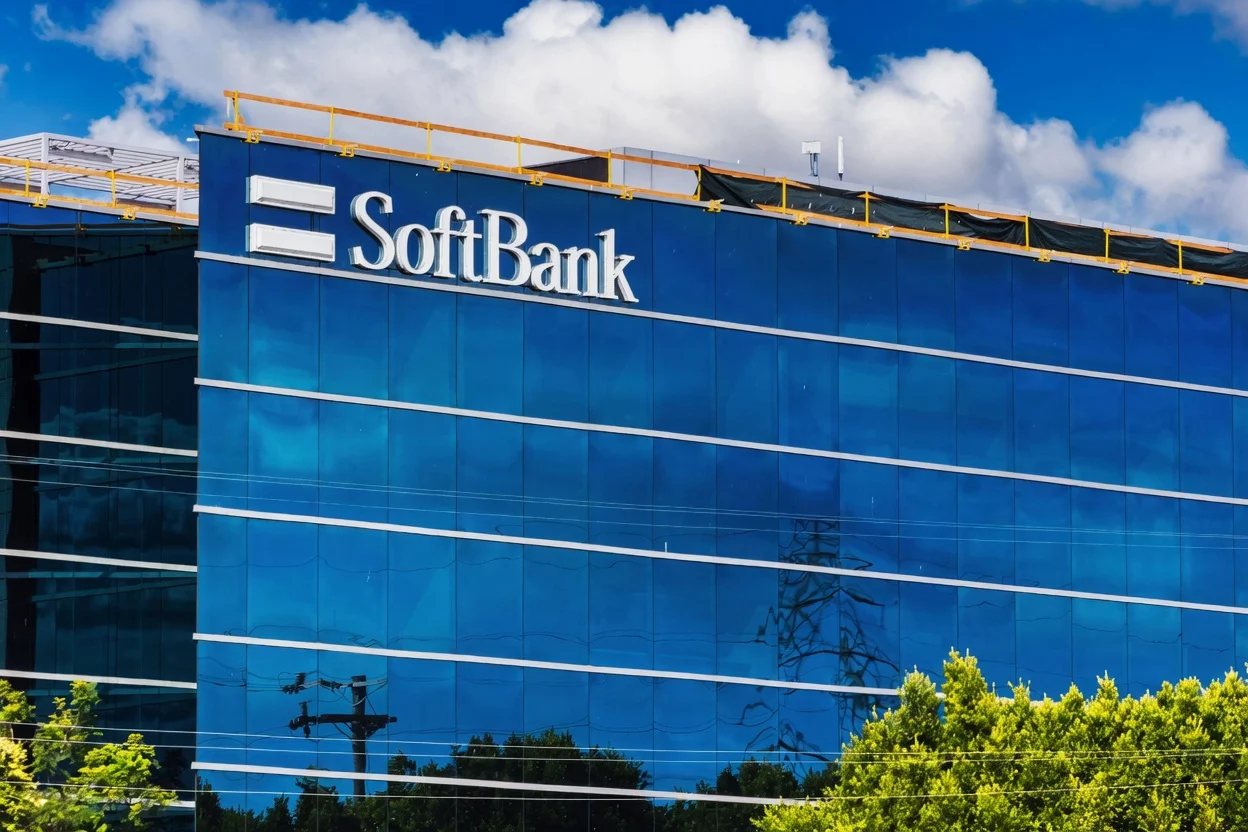
SoftBank Group experienced a significant share price decline on Friday as developments from Oracle sparked fresh uncertainty regarding artificial intelligence infrastructure financing. The Japanese conglomerate’s stock tumbled 3.1% to 6,154.0 yen after Bloomberg published details about Oracle’s recent moves concerning a substantial data center development.
The database giant dispatched a force-majeure notification to Blue Owl Capital’s subsidiary involved in Project Jupiter. This ambitious data center complex in New Mexico represents a crucial element of Stargate, the half-trillion-dollar AI infrastructure venture uniting Oracle, OpenAI, and SoftBank Group.
Behind Oracle’s Precautionary Move
Oracle delivered the formal notice due to anticipated complications in obtaining adequate electrical power for the facility. Industry insiders speaking with Reuters and Bloomberg indicated that Oracle seeks legal protection from financial commitments should construction miss critical deadlines.
Initial projections targeted a 2028 launch date for the facility. However, challenges related to power procurement, construction logistics, and financial arrangements now cast doubt on meeting this ambitious schedule.
These developments have triggered wider industry discussions about whether the massive capital pledges for AI infrastructure can be deployed according to original timelines. Numerous technology firms are encountering comparable operational limitations.
The situation carries particular significance for SoftBank given its aggressive debt accumulation strategy to finance artificial intelligence initiatives. Just this week, the company completed an $11.1 billion capital raise through multicurrency bond offerings.
A substantial portion of these proceeds will support SoftBank’s investment position in OpenAI. The conglomerate has pledged $64.6 billion to the AI pioneer and anticipates holding approximately 13% ownership of the ChatGPT developer shortly.
Escalating Borrowing Expenses for SoftBank
The recent bond issuance represents the largest high-yield corporate debt offering globally. It eclipsed the previous record of $10.9 billion established by French telecommunications firm Numericable in 2014.
SoftBank placed $10 billion in dollar-denominated securities across three different maturity dates. These instruments carry coupon rates spanning 8.625% to 9.75%.
Additionally, the company issued 1 billion euros in bonds with yields ranging from 7.125% to 8%. These financing costs substantially exceed SoftBank’s 2021 bond offering, which featured yields between a modest 2.125% and 5.25%.
Year-to-date, SoftBank has accumulated $14.6 billion through high-yield bond markets. This figure represents 63.4% of total high-yield corporate debt issuance across the Asia-Pacific and Japan regions, Reuters data reveals.
The company maintains aggressive spending commitments elsewhere. SoftBank is proceeding with a $5.4 billion acquisition of ABB’s robotics division and a $3.1 billion purchase of DigitalBridge.
Credit market participants demonstrate increasing discrimination regarding AI-linked obligations. Reuters analysis shows spreads on AI-connected bonds expanded to approximately 115 basis points, versus 78 basis points for general market debt.
Debt issuance from hyperscale technology providers is projected to surge as organizations seek financing for data center construction and semiconductor procurement. This trend intensifies competition in lending markets already facing constraints.
SoftBank’s AI infrastructure exposure extends through SB Energy, currently positioning for a potential United States public offering. The energy subsidiary maintains a $430 billion data center development pipeline, although significant portions involve SoftBank and OpenAI projects scheduled for distant completion dates.
Public listing plans for both OpenAI and SB Energy have experienced postponements. These delays eliminate potential funding channels for SoftBank during a period of escalating capital costs.
The critical question facing investors centers on how SoftBank will finance its outstanding AI obligations moving forward. Whether strategic asset divestitures or eventual public offerings can generate necessary liquidity remains uncertain.
Get 3 Free Stock Ebooks
Discover top-performing stocks in AI, Crypto, and Technology with expert analysis.
- Top 10 AI Stocks - Leading AI companies
- Top 10 Crypto Stocks - Blockchain leaders
- Top 10 Tech Stocks - Tech giants


