



Key Takeaways
- Ethereum commands a significantly larger market capitalization (approximately $274B compared to Solana’s $49B), cementing its position in institutional cryptocurrency markets
- The Pectra upgrade enhanced Ethereum’s capabilities by doubling blob throughput and optimizing staking processes
- Solana introduced an enterprise-focused Developer Platform in March, while Morgan Stanley submitted applications for Solana ETF products
- During Q1 2026, Solana captured 30.6% of spot DEX trading volume, though Ethereum regained dominance by March
- Ethereum represents a more stable long-term foundation, while Solana presents greater growth opportunities from its current valuation
The battle between Ethereum and Solana represents more than just a price comparison—it’s a fundamental debate about blockchain priorities. While Ethereum maintains its position as the leading smart-contract network by valuation, Solana has been building genuine institutional traction that warrants serious consideration.
Current data from CoinGecko shows Ethereum commanding approximately $274 billion in market capitalization, while Solana sits at roughly $49 billion. This substantial valuation gap illustrates where institutional capital has historically placed its confidence. Ethereum’s infrastructure underpins a vast ecosystem of trading platforms and regulated cryptocurrency products.
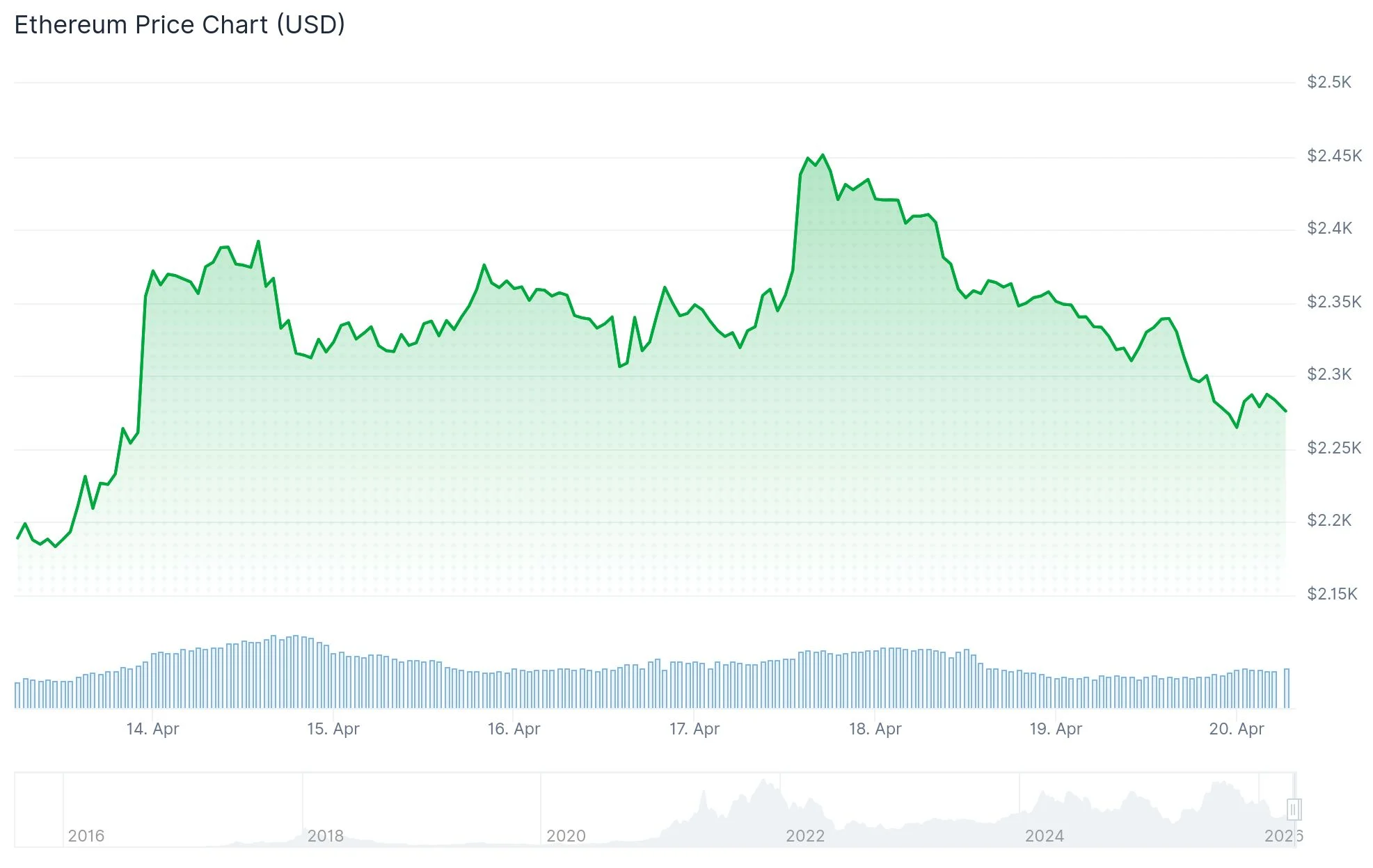
While Solana’s lower market cap creates room for potentially larger percentage gains, it also introduces increased volatility during market downturns.
Ethereum’s fundamental value proposition centers on its role as the backbone of cryptocurrency’s most critical financial infrastructure. Despite Citigroup reducing its ether price forecasts this year following decreased user engagement, analysts continue highlighting stablecoins and asset tokenization as crucial network fundamentals.
These specific use cases align perfectly with regulated financial institutions’ blockchain priorities.
Ethereum’s Development Momentum Continues
Ethereum’s technical evolution shows no signs of slowing down. The Ethereum Foundation announced in February that the Pectra upgrade successfully doubled blob throughput capacity, increased maximum effective validator balances, and streamlined validator activation processes.
Fusaka has already gone live on the mainnet. Additional upgrades named Glamsterdam and Hegotá are confirmed for later in 2026. These represent tangible infrastructure improvements enhancing scalability and staking functionality, not merely theoretical proposals.
Meanwhile, Solana has evolved beyond its reputation as merely a high-risk alternative. The Solana Foundation’s March launch of its Developer Platform marks a strategic shift toward institutional adoption. This unified API infrastructure specifically targets enterprises and regulated institutions developing payment systems, financial instruments, and blockchain-based business solutions.
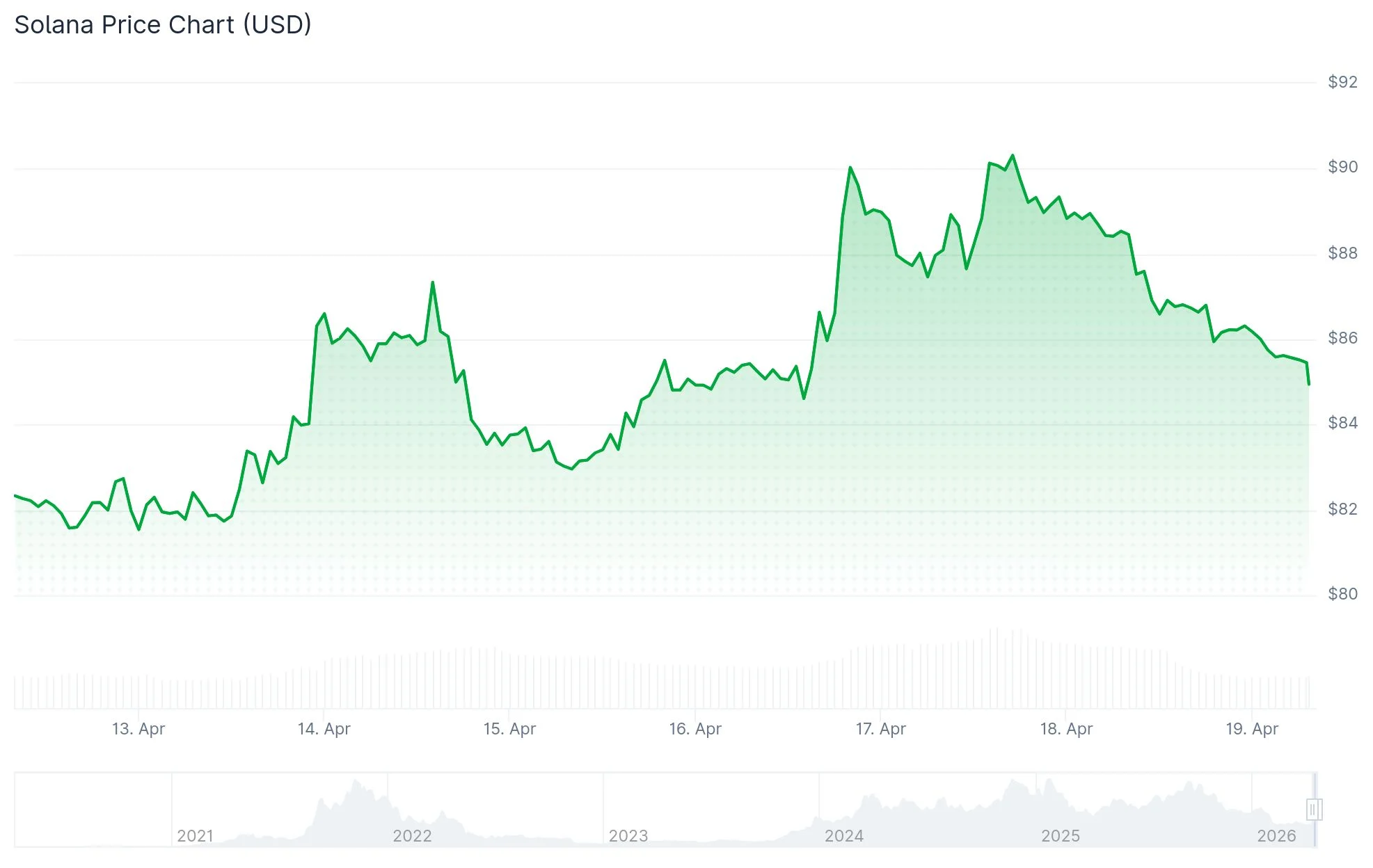
Adding credibility to Solana’s institutional narrative, Morgan Stanley filed documentation for Solana exchange-traded funds in January, Reuters reported. This development signals that traditional financial institutions are evaluating the asset with increasing seriousness.
DEX Trading Data Reveals Complex Dynamics
According to CoinGecko’s first quarter 2026 analysis, Solana dominated spot decentralized exchange trading throughout the quarter, claiming 30.6% market share. However, Ethereum recaptured the leading position when March data is isolated.
This back-and-forth pattern illustrates the current relationship between these networks effectively. Solana attracts retail trading intensity and short-cycle momentum. Ethereum reasserts dominance when market participants shift toward higher-value, more substantial transactions.
Investment Verdict
The optimal choice between these cryptocurrencies depends entirely on an investor’s specific objectives and risk tolerance. Solana appeals to those seeking momentum-driven opportunities and asymmetric upside potential from a lower valuation baseline. Ethereum attracts investors prioritizing stability, comprehensive developer ecosystems, and dominant positioning in stablecoins and tokenization markets.
From a balanced perspective today, Ethereum maintains the advantage. The investment case relies less on near-term price excitement and more on fundamental resilience and staying power.
Solana will likely deliver superior returns during certain market cycles. Its institutional initiatives show genuine progress and expanding adoption. However, when evaluated as a comprehensive investment proposition right now, Ethereum holds the more compelling position.

