


Key Takeaways
- Thursday’s Starship V3 launch was aborted when four Raptor engines failed during the ignition sequence at liftoff
- Elon Musk announced plans to swap out two faulty engines, targeting early next week for another launch attempt
- SPCX shares declined more than 3% during after-hours trading, settling at $131.11 — beneath the company’s $135 IPO entry point
- Federal regulators had just approved SpaceX’s return to flight following their probe into May’s booster mishap
- The cancelled flight planned to deploy 20 advanced Starlink satellites, critical for the company’s space-based data infrastructure plans
Shares of SpaceX (SPCX) declined over 3% during after-hours trading Thursday evening, falling to approximately $125 following the company’s scrubbed second Starship V3 launch attempt. The stock concluded regular market hours at $131.11, trading beneath its $135 initial public offering price established in June.
Space Exploration Technologies Corp., SPCX
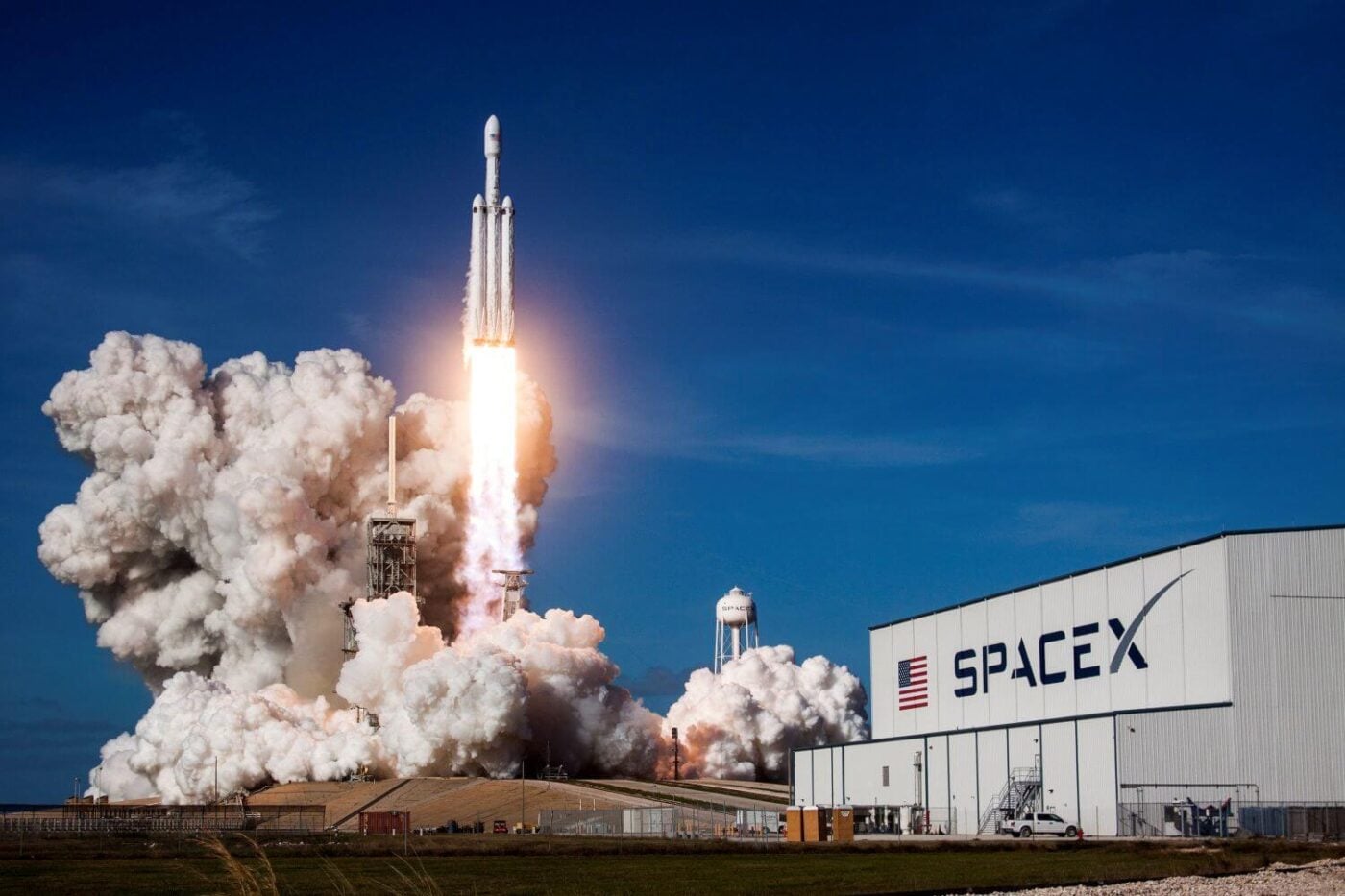
The abort occurred precisely at the ignition moment. The launch pad’s water suppression system had activated and the booster’s engines began their startup sequence when an abrupt shutdown occurred. Telemetry data from SpaceX’s live stream indicated four Raptor engines failed their ignition sequence, activating the automated safety abort protocol.
“Several engines failed to ignite, which triggered an automated launch abort sequence,” CEO Elon Musk posted on X. He subsequently confirmed that two problematic Raptor engines will undergo removal and replacement, scheduling the next launch window for sometime early the following week.
This scrubbed launch continues SPCX’s five-session downward trend. The stock has experienced consistent pressure since its historic IPO on June 12, when SpaceX secured $85.7 billion in capital — establishing the largest public offering ever recorded — and momentarily achieved market capitalizations rivaling Amazon and Microsoft.
Mission Objectives and Payload Details
Thursday’s planned flight aimed to deliver 20 advanced Starlink satellites to low Earth orbit. Following deployment, these satellites were scheduled to extend their solar panels and communication antennas, establish brief connectivity with the existing Starlink network, then perform controlled atmospheric reentry and burn up approximately 20 minutes post-deployment.
SpaceX has yet to successfully demonstrate Starship’s capability to achieve sustained orbital flight, explaining why these satellites featured intentionally short operational lifespans. Despite this limitation, the mission represented an important milestone toward validating “orbital data centers” — a cornerstone of SpaceX’s future revenue model.
Currently, Starlink stands as SpaceX’s sole profitable division and primary income source.
Recent Federal Approval Preceded Launch Attempt
The Federal Aviation Administration granted SpaceX authorization to resume flights just this past Monday, completing their mandatory investigation following May’s inaugural V3 launch. During that previous mission, the Super Heavy booster experienced an engine malfunction during its descent phase, resulting in an ocean impact in the Gulf of Mexico instead of completing its planned simulated landing procedure.
The FAA’s conclusive mishap investigation identified two primary root causes: thermal stress on propulsion system hardware during the ascent phase and incorrect engine monitoring system configurations. SpaceX implemented four remedial measures, encompassing both hardware modifications and software revisions.
The upper stage during May’s attempt demonstrated superior performance, successfully deploying Starlink test units and executing its own simulated ocean landing without complications.
Thursday’s abort requires SpaceX to drain all cryogenic propellants from both the Super Heavy booster and upper stage before technical teams can investigate the Raptor ignition malfunction.
SPCX traded near $125 during Friday’s pre-market session, representing approximately a 4.65% decline from Thursday’s closing price.
Get 3 Free Stock Ebooks
Discover top-performing stocks in AI, Crypto, and Technology with expert analysis.
- Top 10 AI Stocks - Leading AI companies
- Top 10 Crypto Stocks - Blockchain leaders
- Top 10 Tech Stocks - Tech giants


