


TLDR
- Spirit Airlines faces imminent operational shutdown following the failure of a $500M government rescue package
- The deal proposed by the Trump administration would have granted 90% equity warrants in return for financing
- Disagreement among bondholders and internal administration disputes killed the bailout attempt
- Skyrocketing jet fuel costs to approximately $4.51/gallon destroyed Spirit’s bankruptcy exit strategy
- Competitor stocks surged with Frontier (ULCC) up 10% and JetBlue (JBLU) climbing 7%
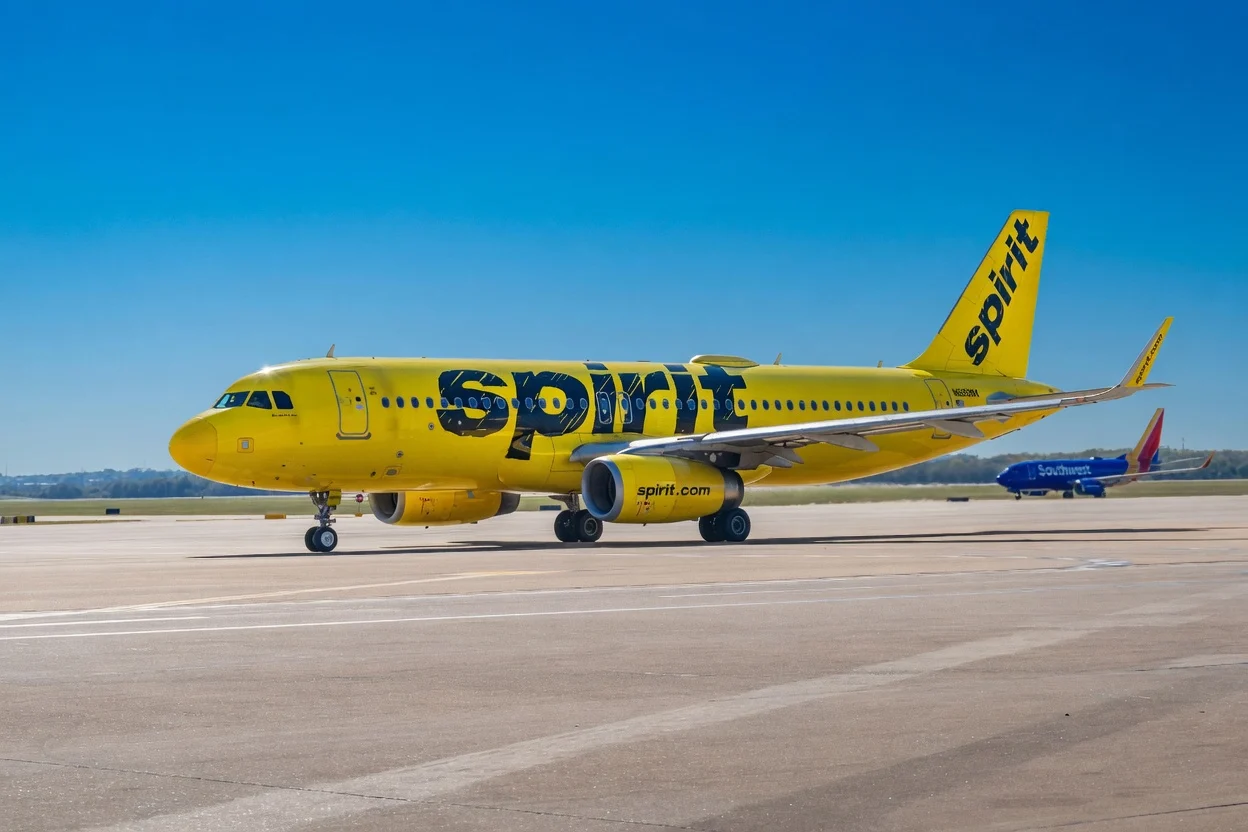
Spirit Airlines appears headed toward a permanent shutdown.
According to a Friday report from The Wall Street Journal, the budget airline is making preparations to wind down all operations following the breakdown of a $500 million federal rescue package.
The proposed bailout from the Trump administration would have provided critical financing in return for equity warrants representing 90% of the company. President Trump previously indicated his administration was exploring acquisition of the airline “at the right price.”
However, the transaction never materialized. A portion of Spirit’s bondholders refused to accept the proposed terms, while conflicting viewpoints within the administration created additional obstacles regarding the appropriateness and structure of federal intervention.
A bankruptcy court hearing originally set for Thursday, April 30 was postponed as negotiations continued. By Friday, those discussions had apparently reached a dead end.
When contacted, a Spirit representative stated the company “is operating as usual” and would not discuss ongoing negotiations. The White House did not provide comment when reached.
Spirit Aviation Holdings, Inc., FLYY
Shares of Spirit (FLYYQ) tumbled 65% following the report.
How Fuel Prices Killed the Plan
Spirit had previously entered bankruptcy protection twice within less than twelve months. The carrier had secured an agreement with creditors designed to facilitate emergence from its second Chapter 11 filing by late spring or early summer.
That reorganization strategy collapsed when conflict in Iran triggered a dramatic surge in aviation fuel prices. Spirit’s financial projections were calculated based on jet fuel averaging approximately $2.24 per gallon during 2026. By the end of April, actual prices had skyrocketed to around $4.51 per gallon — effectively doubling the forecasted cost.
This enormous discrepancy rendered the financial assumptions unworkable, ultimately destroying the bankruptcy exit plan and accelerating Spirit’s march toward potential liquidation.
While elevated fuel expenses have created challenges across the airline sector, Spirit entered this crisis from an already compromised position, having initially sought bankruptcy protection less than twelve months earlier.
Rivals Move Higher
Financial markets reacted swiftly to the development. Frontier Airlines shares jumped 10% on the news, while JetBlue stock advanced 7%.
Both airlines are positioned to capture market share should Spirit discontinue operations, as the carrier’s route network and budget-conscious customer base would become available.
If Spirit closes, it would represent the first significant airline collapse directly attributable to the Iranian conflict and the resulting fuel price explosion.
The airline’s most recent public communication emphasized normal operations continue. No formal shutdown announcement had been issued as of Friday afternoon.
Get 3 Free Stock Ebooks
Discover top-performing stocks in AI, Crypto, and Technology with expert analysis.
- Top 10 AI Stocks - Leading AI companies
- Top 10 Crypto Stocks - Blockchain leaders
- Top 10 Tech Stocks - Tech giants


