



Key Takeaways
- IBM shares plummeted nearly 10%, erasing approximately 200 points from the Dow amid concerns over decelerating revenue expansion
- Despite beating expectations, ServiceNow tumbled more than 15% following its earnings release, pulling software equities lower
- Strong quarterly results sent Texas Instruments soaring 16%, boosting the semiconductor sector by 2%
- Tesla declined almost 3% as Elon Musk outlined aggressive capital expenditure plans for the coming quarters
- Crude oil prices climbed above $102 per barrel following stalled diplomatic efforts between the U.S. and Iran and continued Strait of Hormuz blockade
Equity markets retreated Thursday as investors digested a divergent set of quarterly earnings reports from major corporations, compounded by escalating energy costs driven by international tensions.
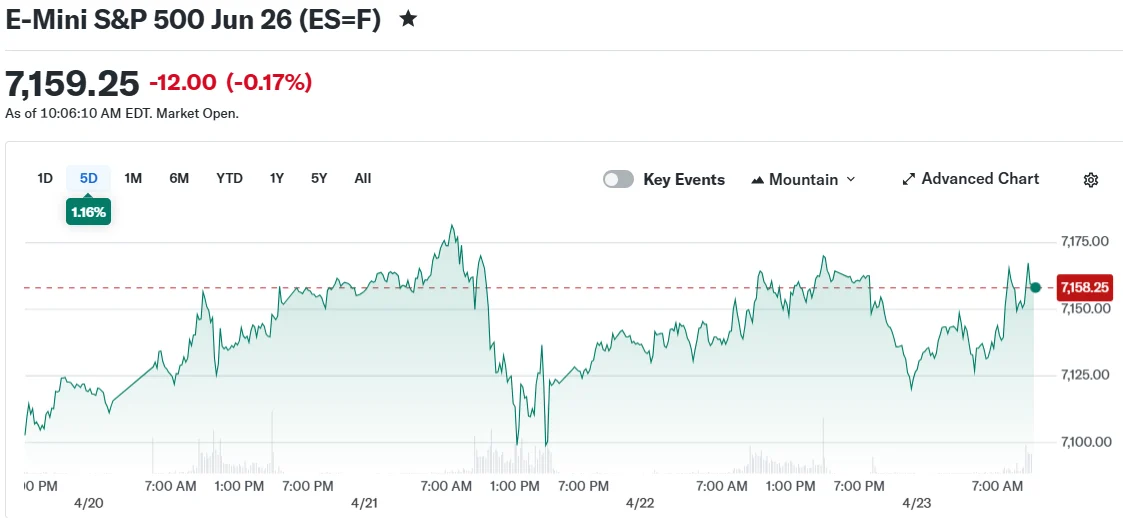
The Dow Jones Industrial Average surrendered approximately 200 points during the session. Both the S&P 500 and Nasdaq Composite declined 0.2% and 0.3% respectively, retreating from the all-time peaks reached earlier this week.
The Dow’s weakness stemmed primarily from IBM, which experienced a nearly 10% decline. Investors grew concerned that revenue growth was decelerating, potentially due to competitive pressure from artificial intelligence platforms developed by companies such as Anthropic.
ServiceNow similarly plunged over 15%, even though the company delivered results that exceeded analyst projections. Market participants appeared fixated on broader concerns regarding the software industry’s expansion trajectory.
The combination of these two major declines dragged the overall software sector down approximately 5% for the trading session.
Technology Sector Shows Sharp Divergence
The technology landscape wasn’t uniformly negative. Texas Instruments experienced a 16% surge following the release of robust quarterly figures, emerging as one of the session’s top performers.
The chip manufacturing industry broadly advanced roughly 2%, highlighting a stark contrast between semiconductor equities and their software counterparts.
Tesla initially climbed after delivering better-than-anticipated earnings, but reversed course before the opening bell. Shares ultimately closed down nearly 3% following CEO Elon Musk’s discussion of substantial capital investment initiatives expected to pressure near-term cash generation.
American Express slipped 1.5% despite surpassing both top-line and bottom-line forecasts. Blackstone tumbled more than 4% even after exceeding analyst estimates.
American Airlines defied the broader downturn, advancing 3% after reporting revenue and profit that beat projections. However, the carrier revised its guidance downward, attributing the change to a $4 billion surge in fuel expenses linked to elevated jet fuel prices.
Crude Prices Advance as Diplomatic Efforts Stall
Oil prices extended their winning streak to four consecutive sessions as diplomatic negotiations between Washington and Tehran reached an impasse. Both nations failed to reconvene for additional discussions, despite President Trump’s decision to extend the existing ceasefire arrangement without a defined endpoint.
The Strait of Hormuz continues to be obstructed, representing a critical chokepoint for international petroleum transport. Brent crude surged back above the $102 threshold per barrel, while West Texas Intermediate exceeded $93.
Inflationary pressures stemming from the conflict are amplifying investor anxiety, prompting many market participants to scrutinize corporate earnings reports as indicators for future market direction.
Weekly unemployment benefit applications increased modestly to 214,000, slightly exceeding forecasts. Market observers are also monitoring preliminary April manufacturing data for potential economic repercussions from the continuing geopolitical strife.
The jobless claims figure of 214,000 represented the latest economic indicator released during Thursday’s morning session.
Get 3 Free Stock Ebooks
Discover top-performing stocks in AI, Crypto, and Technology with expert analysis.
- Top 10 AI Stocks - Leading AI companies
- Top 10 Crypto Stocks - Blockchain leaders
- Top 10 Tech Stocks - Tech giants


