


Key Takeaways
- Super Micro’s fiscal Q4 2026 gross margin guidance jumped to 15–17%, up from an earlier 8.2–8.4% projection
- The company disclosed more than $60 billion in near-term orders, driving its backlog to unprecedented heights
- Dell secured $24.4 billion in AI orders during fiscal Q1 2027, maintaining a $51.3 billion AI-server backlog
- For the first time, Dell’s AI-server revenue exceeded its traditional PC business revenue
- Wall Street assigns Dell a Moderate Buy rating while Super Micro receives a Hold consensus
The artificial intelligence infrastructure boom has created compelling opportunities in both Super Micro Computer and Dell Technologies, yet these companies present distinct investment propositions with contrasting strengths and vulnerabilities.
Super Micro’s Dramatic Margin Expansion Signals Shifting Economics
Super Micro indicated that fiscal Q4 2026 revenue would land toward the bottom of its $11 billion to $12.5 billion projected range. However, this revenue update wasn’t the primary story.
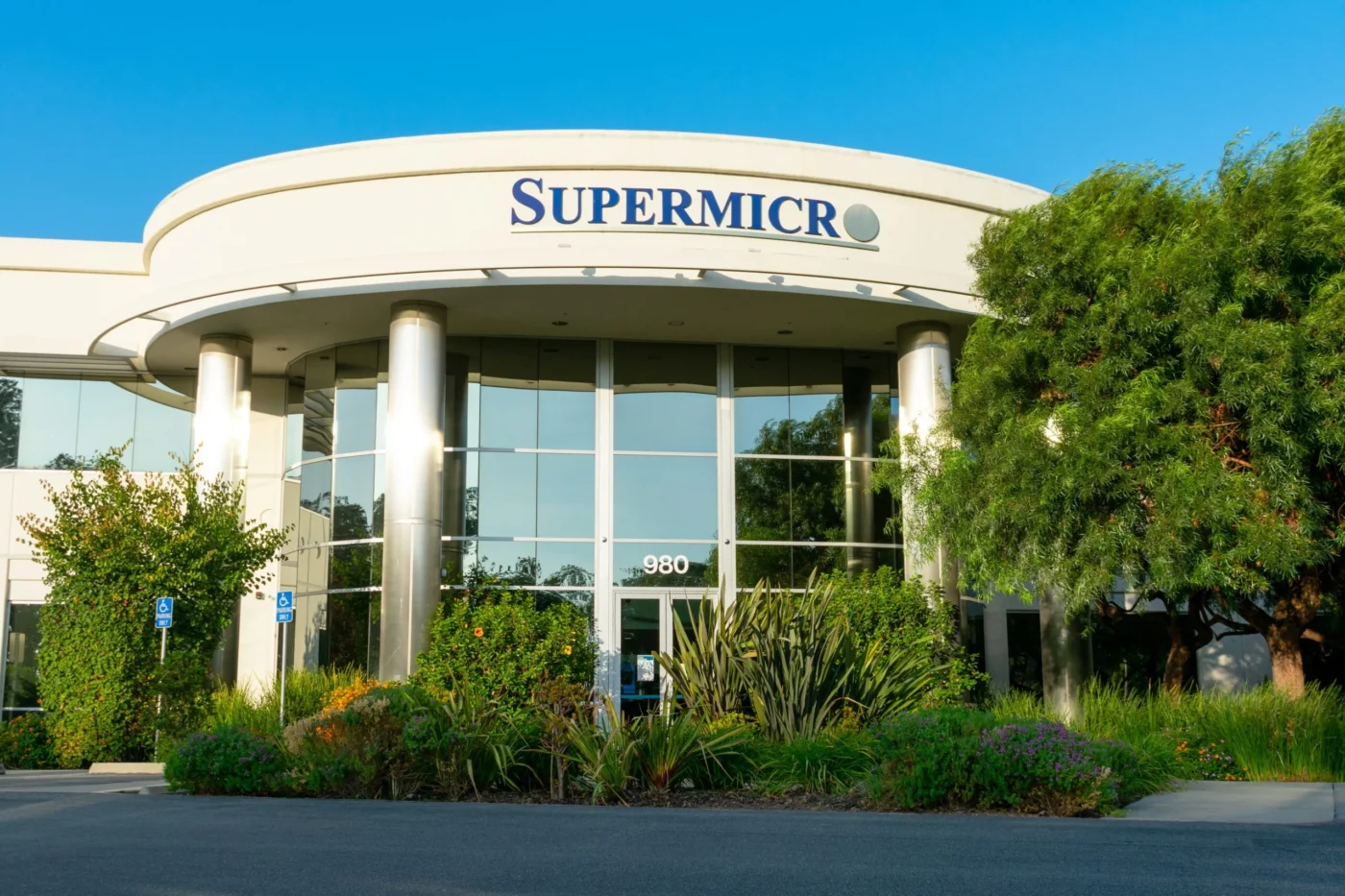
Super Micro Computer, Inc., SMCI
The real revelation centered on profitability. Super Micro projected quarterly gross margins between 15% and 17%, representing nearly a twofold increase from its prior 8.2% to 8.4% estimate.
Management attributed this margin expansion to an enhanced customer and product mix. Additionally, the company disclosed over $60 billion in orders expected in the near term, elevating its backlog to all-time highs.
This development carries significance because market participants had grown concerned that AI server manufacturing was deteriorating into a commodity business with razor-thin margins. Fierce pricing competition combined with escalating component expenses had compressed profitability across the sector.
Should Super Micro sustain these margin levels while executing against its substantial order backlog, the company’s earnings trajectory could strengthen considerably.
Nevertheless, meaningful risks persist. Super Micro disclosed plans for approximately $7 billion in equity and equity-linked financing, creating potential shareholder dilution. The company’s profitability metrics have fluctuated historically, and its revenue stream remains concentrated among a limited roster of major customers.
Dell’s Transformation: AI Infrastructure Eclipses Legacy PC Revenue
Dell also delivered robust quarterly results. During fiscal Q1 2027, Dell captured $24.4 billion in AI-related orders while generating $16.1 billion in AI-server revenue.
The company’s AI-server backlog reached approximately $51.3 billion by quarter’s end. Notably, AI-server revenue surpassed PC revenue during this reporting period, illustrating the rapid transformation occurring within Dell’s business model.
Dell possesses competitive advantages that Super Micro lacks. The company maintains longstanding relationships with major enterprise clients, operates an extensive global sales and support infrastructure, and can package servers alongside storage solutions, networking equipment, financing options and comprehensive services.
Dell’s diversified business portfolio also offers downside protection should AI server demand moderate. The company continues generating significant revenue from personal computers, storage systems and conventional enterprise hardware.
The corresponding drawback is that Dell’s growth velocity will likely trail Super Micro’s during intense expansion phases of the AI infrastructure cycle.
Wall Street Favors Dell’s Investment Profile
Analyst sentiment tilts toward Dell. According to MarketBeat, Super Micro carries a Hold consensus rating, derived from four Buy ratings, 12 Hold ratings and two Sell ratings.
Dell maintains a Moderate Buy consensus, supported by one Strong Buy rating, 20 Buy ratings, 10 Hold ratings and one Sell rating.
The analyst community views Dell’s operational scale, revenue diversification and enterprise market positioning as strategic advantages. Meanwhile, Super Micro’s growth upside is evaluated against margin volatility, customer concentration risks and shareholder dilution concerns.
For investors prioritizing long-term stability, Dell presently delivers a more attractive combination of AI exposure and financial resilience.
Get 3 Free Stock Ebooks
Discover top-performing stocks in AI, Crypto, and Technology with expert analysis.
- Top 10 AI Stocks - Leading AI companies
- Top 10 Crypto Stocks - Blockchain leaders
- Top 10 Tech Stocks - Tech giants


