


Key Highlights
- Taiwan Semiconductor will implement chipmaking price increases of 5%–10% beginning January 2027
- Older-generation processes (12-nm, 16-nm, 28-nm) will experience the highest increases, reaching 10%
- Rising expenses for materials, equipment, and international facility construction are fueling the price adjustments
- TSM ADRs surged approximately 4% during pre-market trading following the announcement
- The company delivered record Q2 2026 gross margins of 67.7% and increased its full-year revenue growth projection to above 40%
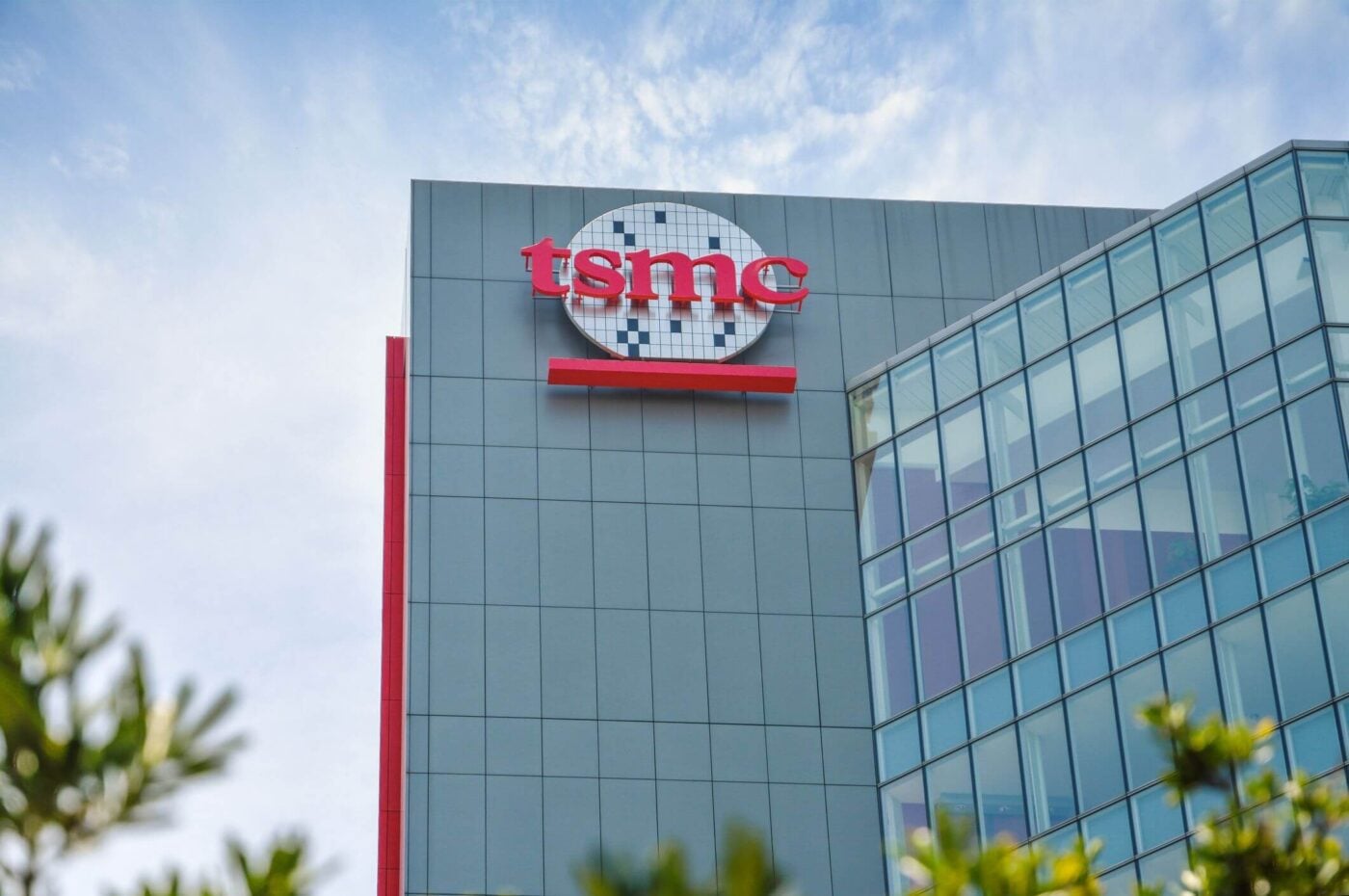
Taiwan Semiconductor Manufacturing Company (TSM) is preparing to implement price increases across its foundry operations of up to 10% beginning in 2027, according to a Tuesday report from Nikkei Asia that cited multiple industry sources. TSM American depositary receipts rose approximately 4% during pre-market trading before the NYSE opening bell.
Taiwan Semiconductor Manufacturing Company Limited, TSM
The planned adjustments span from 5% to 10%, with variations based on individual customers, specific products, and manufacturing node categories. Older-generation node technologies — particularly 12-nm, 16-nm, and 28-nm processes — will face the steepest increases, positioned at the upper end of the pricing spectrum.
Pricing for cutting-edge nodes will be customized per client, with potential premium pricing applied to high-performance computing contracts.
According to reports, discussions with customers took place throughout June and July 2026, with the updated pricing structure scheduled to begin in January 2027.
Taiwan Semiconductor declined to provide specific details regarding pricing. “Our pricing approach is strategic in nature, not opportunistic. We remain committed to close collaboration with our customers and demonstrating our value proposition,” a company representative stated.
Chief Executive C.C. Wei had indicated earlier his preference for incremental pricing adjustments rather than abrupt increases, contrasting with approaches taken by certain memory chip manufacturers. He has not publicly addressed the reported 2027 timeline.
Factors Driving the Price Adjustments
The primary catalyst for these increases is an expanding cost structure. TSMC committed an additional $100 billion toward Arizona manufacturing facilities and is establishing production plants in both America and Japan — regions that carry inherently higher operational costs compared to its Taiwan headquarters.
Escalating expenses for raw materials and production equipment are also contributing factors.
This strategy aligns with analyst projections. Morgan Stanley analyst Charlie Chan noted on July 16 that TSMC could implement another 5%–10% price increase for cutting-edge wafer production in 2027, “considering the substantial value it delivers in advanced foundry capabilities.”
Robust Financial Performance Supports Strategic Shift
TSMC’s second quarter 2026 financial performance provided solid justification for this pricing announcement. Revenue reached $40.2 billion, representing a 34% year-over-year increase.
Gross profit margins achieved 67.7%, marking a company record.
The foundry giant also elevated its full-year revenue growth outlook to “above 40%” and increased its capital expenditure projection to $60–$64 billion, referencing “robust, multi-year” AI chip demand.
Notwithstanding these impressive results, the semiconductor industry broadly has faced headwinds. The Philadelphia SE Semiconductor Index crossed into bear-market territory as of July 17, declining more than 20% from its late-June peak following its steepest weekly drop in over twelve months.
TSM stock was quoted at $417.70, gaining $15.40 (+3.83%) in pre-market trading at publication time.
Get 3 Free Stock Ebooks
Discover top-performing stocks in AI, Crypto, and Technology with expert analysis.
- Top 10 AI Stocks - Leading AI companies
- Top 10 Crypto Stocks - Blockchain leaders
- Top 10 Tech Stocks - Tech giants


