


TLDR
- Trump urged Congress to make the administration’s crypto policies permanent through legislation.
- The CLARITY Act would divide digital asset oversight between the SEC and CFTC.
- Senate negotiations remain divided over ethics rules, DeFi treatment, and stablecoin rewards.
- The CFTC will discuss crypto, AI, and prediction markets at its first advisory committee meeting.
- Odds of the bill passing have dropped sharply since February, according to prediction markets.
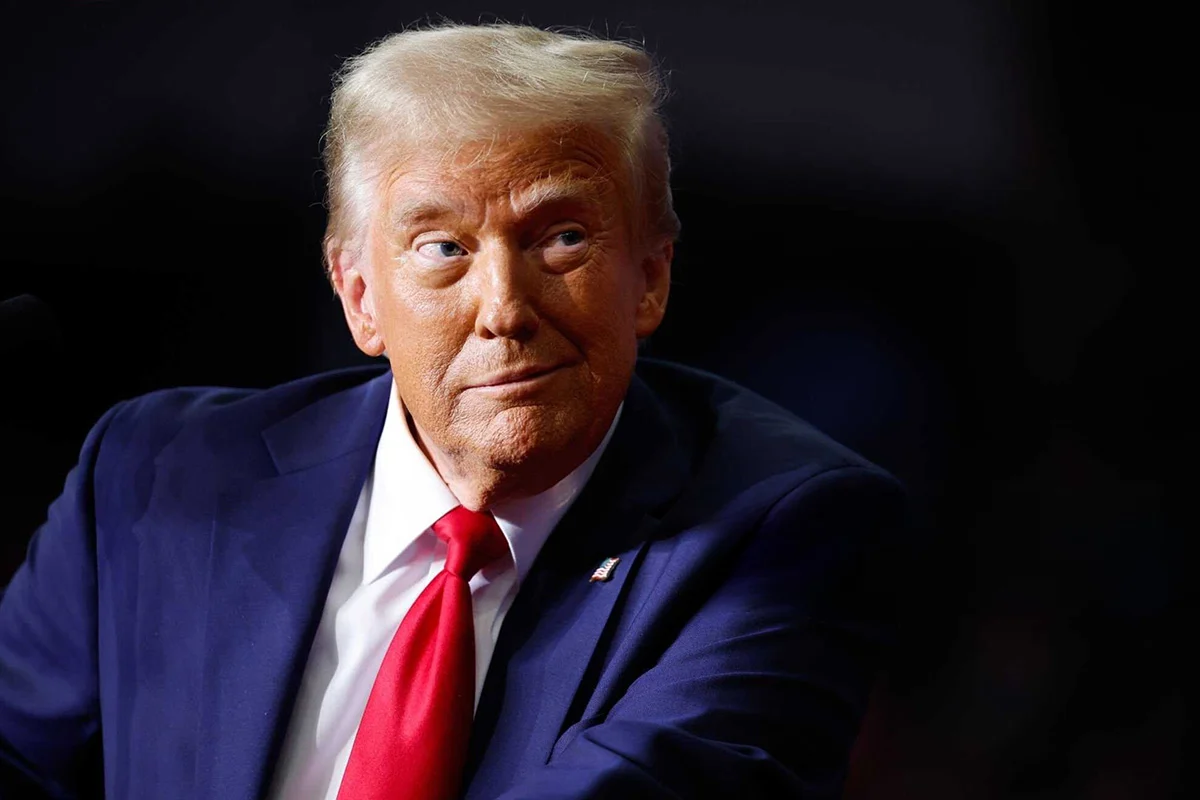
President Donald Trump asked Congress on August 19 to pass a “fair” version of the CLARITY Act. He spoke at a White House event with executives from Coinbase, Gemini, Ripple, and Chainlink Labs.
Trump said the bill would keep the United States ahead of China in crypto innovation. He called the measure “very bipartisan,” though Senate talks are still unresolved.
Coinbase CEO Brian Armstrong told the crowd that passing the law would protect current crypto policies from being reversed later. He described the bill as a genuine compromise between parties.
The CLARITY Act would split oversight of digital assets between the Securities and Exchange Commission and the Commodity Futures Trading Commission. It would also set rules for exchanges, brokers, and custodians.
The House passed its version of the bill in July 2025 by a vote of 294 to 134. The Senate Banking Committee later approved it, but no floor vote has happened yet.
Ethics Rules and DeFi Treatment Divide Lawmakers
Democrats want limits on crypto holdings for senior officials in all three branches of government. This includes rules that could affect Trump’s own digital asset ventures.
Negotiators also disagree on how to treat decentralized finance protocols. Rules covering stablecoin rewards matter to Coinbase, which earns revenue from USDC trading activity.
Republicans hold 53 Senate seats, short of the 60 votes needed to pass the bill. That means Democratic support is required before lawmakers leave for the November elections.
A crypto.news analysis from August 18 found that Polymarket’s odds of passage fell from 82% in February to under 20% by mid-August. Galaxy Digital cut its own estimate to 10% on August 14.
SEC and CFTC Continue Separate Rulemaking
SEC Chairman Paul Atkins linked the agency’s new crypto proposal to the need for congressional action. He said the plan gives entrepreneurs more certainty to raise money using digital assets.
The SEC’s proposal would create two funding paths for crypto offerings. One allows up to five million dollars raised over four years. The other allows up to seventy five million dollars over twelve months.
Atkins said the SEC cannot rewrite the legal line between securities and commodities on its own. Only Congress can grant the CFTC full authority over spot digital commodity markets.
The Treasury Department is also implementing the GENIUS Act, signed by Trump in July 2025. Its stablecoin rules cover issuer authorization, reserves, and disclosure requirements.
The CFTC held its first Innovation Advisory Committee meeting on August 20, one day after the White House event. Executives from Coinbase, Ripple, Kraken, Anchorage Digital, and Grayscale took part.
The three hour meeting covered digital assets, artificial intelligence, and prediction markets. The committee can advise the CFTC but cannot write rules or take enforcement action.
Public comments tied to the meeting can be submitted through August 27 and will become part of the official record.

