


Quick Summary
- UAL exceeded Q1 projections with revenue climbing 10.5% YoY to $14.61B and EPS reaching $1.19 against a $1.08 forecast
- Surging fuel expenses triggered a broader full-year EPS outlook of $7–$11, revised down from prior $12–$14 estimates
- Executives cautioned that ticket prices could jump 15–20% while unveiling plans to reduce flight capacity
- Balance sheet strength improved with debt-to-assets declining from 54% to 35% year-over-year
- Analyst sentiment remains bullish: 15 out of 17 recommend buying, targeting an average $132.71 share price
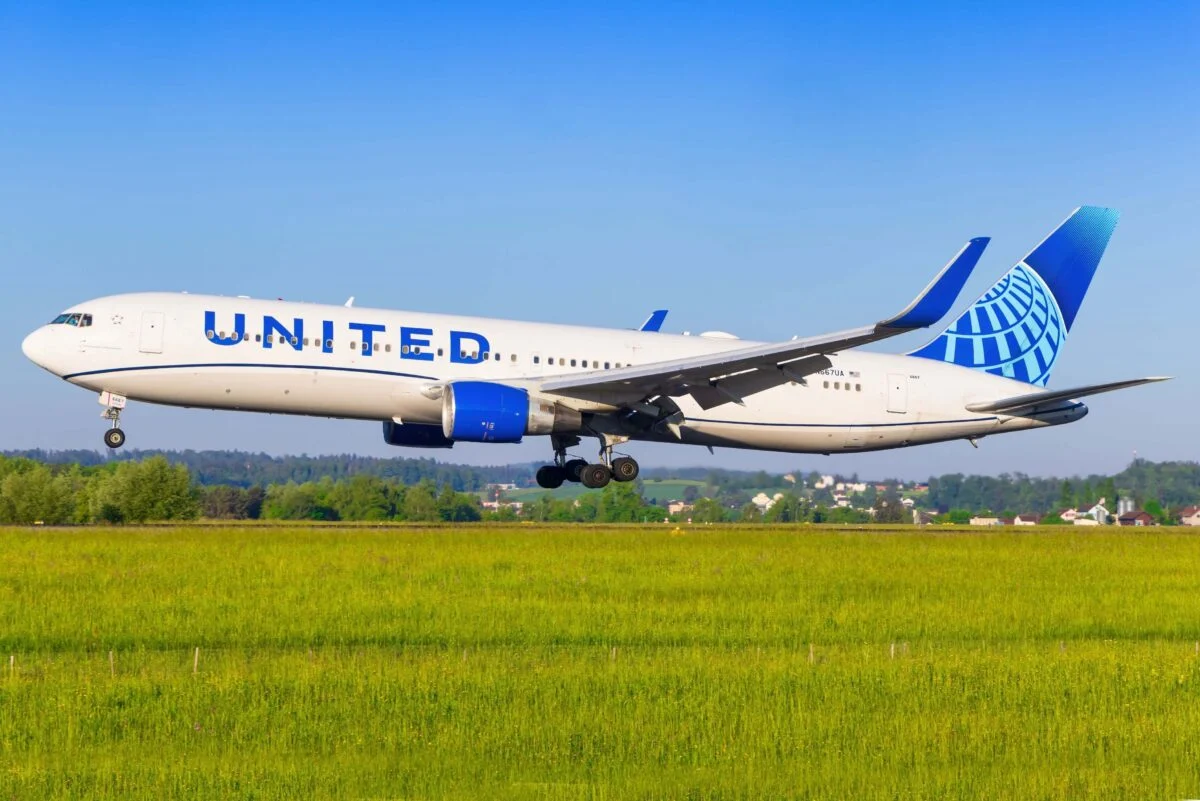
United Airlines delivered a first-quarter performance that exceeded Wall Street’s expectations, yet concerns about escalating fuel expenses dominated the narrative and forced a significant revision to annual forecasts.
United Airlines Holdings, Inc., UAL
The airline reported quarterly revenue of $14.61 billion, marking a 10.5% increase from the same period last year and surpassing analyst projections of $14.19 billion. Earnings per share reached $1.19, comfortably above the $1.08 consensus estimate. At first glance, these figures paint an encouraging picture.
Yet the real concern centers on fuel.
CEO Scott Kirby distributed an internal communication to staff ahead of the earnings release, outlining a scenario where oil climbs to $175 per barrel. Under such conditions, United calculated potential additional annual fuel expenses reaching $11 billion. While this represents an extreme scenario rather than a base expectation, it established a cautious framework for investors.
The company revised its full-year EPS projection to a wide $7–$11 band, down from the previously communicated $12–$14 range. The midpoint signals a roughly 10% year-over-year decline. Second-quarter guidance landed at $1–$2 per share, predicated on fuel averaging approximately $4.30 per gallon.
Executives also indicated that airfares might require increases of 15–20% to compensate for rising fuel bills, while simultaneously announcing reductions in available seat capacity focused on lower-demand periods and select routes.
Demand Strength Persists — With Timing Complications
Unit revenue metrics reveal a more complex operational picture. Total Revenue per Available Seat Mile (TRASM) expanded 6.9% year-over-year during the first quarter, while Passenger Revenue per Available Seat Mile (PRASM) advanced 7.4%. These indicators demonstrate sustained customer demand and the carrier’s ability to command higher prices.
The complication lies in the lag effect. Since many second-quarter tickets were purchased before recent fuel price spikes, United anticipates recovering only 40–50% of increased fuel costs this quarter. That recovery rate improves to 70–80% in the third quarter and reaches 85–100% in the fourth quarter. The pricing adjustment works, but requires patience.
Cost per Available Seat Mile excluding fuel (CASM-ex) increased approximately 6% in Q1 following two consecutive flat quarters. This uptick warrants attention, indicating some upward pressure on non-fuel operating expenses.
Financial Position Strengthening
United produced $9.5 billion in operating cash flow over the trailing twelve months. The company’s debt-to-assets ratio contracted from 54% to 35% during that timeframe. This represents a stronger position than American Airlines’ 58% ratio, though it trails Delta and Southwest.
Despite the reduced guidance, shares trade at a forward earnings multiple of 10.2x — representing a discount versus Delta and Southwest, which command valuations near 12.7x.
Caprock Group LLC expanded its UAL holdings by 49.4% during the fourth quarter, elevating its position to 39,921 shares valued at approximately $4.46 million. Institutional ownership stands at 69.69% of outstanding shares.
Regarding analyst coverage, BMO Capital Markets lifted its price objective to $130 while maintaining an outperform rating. Goldman Sachs raised its target to $129. Morgan Stanley holds a $150 target alongside an overweight recommendation. The consensus among 17 analysts points to $132.71.
UAL shares opened Friday trading at $91.25. The stock has traded between $65.66 and $119.21 over the past 52 weeks.
Get 3 Free Stock Ebooks
Discover top-performing stocks in AI, Crypto, and Technology with expert analysis.
- Top 10 AI Stocks - Leading AI companies
- Top 10 Crypto Stocks - Blockchain leaders
- Top 10 Tech Stocks - Tech giants


