



Key Takeaways
- On March 15, 2026, the XRP Ledger recorded 3 million daily transactions, demonstrating genuine network utilization
- Ripple’s legal battle with the SEC concluded in August 2025 with a $125 million settlement
- Approximately 33 billion XRP remains locked in escrow accounts, representing a significant supply consideration
- Ripple’s RLUSD stablecoin introduces potential internal competition for value capture within the payment ecosystem
- XRP represents a hybrid investment case — more established than speculative altcoins but facing legitimate economic questions
For years, XRP has sparked intense discussion within cryptocurrency circles. Advocates highlight its genuine application in cross-border payments. Skeptics question the centralization around Ripple Labs and whether token economics truly reward holders. Following significant legal clarity and expanding network metrics, investors now have a more transparent view — though complexity remains.
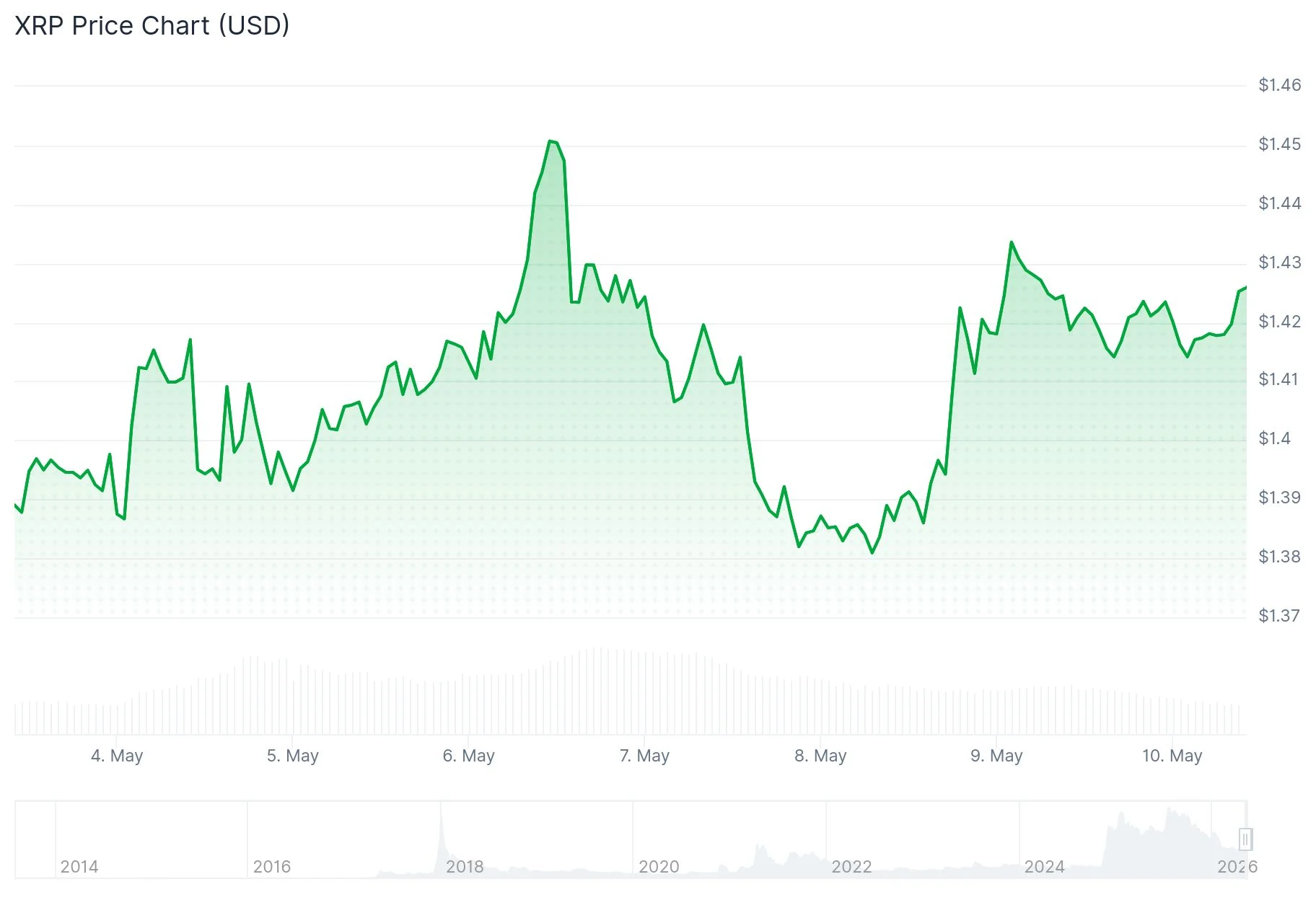
As the native digital asset of the XRP Ledger, XRP operates on a public blockchain that launched in 2012. Transactions finalize within three to five seconds with minimal fees. Recent XRPSCAN data captured over 1.2 million daily transactions, while Ripple confirmed the network processed 3 million transactions on March 15, 2026. These figures represent verifiable, on-chain usage.
The regulatory cloud that hung over XRP for an extended period has now dissipated. According to Reuters reporting from August 2025, the Securities and Exchange Commission case against Ripple reached its conclusion. Ripple agreed to pay $125 million to settle. Importantly, the judicial finding that XRP trading on secondary markets did not constitute securities transactions remained undisturbed, although specific institutional offerings were deemed violations. This resolution eliminated a primary risk factor for token holders.
Token Distribution Dynamics Matter
Current CoinGecko figures indicate approximately 62 billion XRP tokens circulating, producing a market capitalization near $88 billion. XRPSCAN data reveals roughly 33 billion XRP still secured in escrow arrangements. While Ripple maintains transparency in its escrow operations and typically re-locks unused tokens, this controlled inventory is substantial and market participants remain conscious of it.
This reality doesn’t undermine XRP’s legitimacy as a digital asset. However, it clarifies that limited supply isn’t central to the value proposition in the manner it is for Bitcoin.
Examining How Value Accrues
Ripple’s payment solutions currently provide clients with options: execute settlements using XRP or leverage stablecoins such as RLUSD. This optionality strengthens Ripple’s competitive position when acquiring customers. Yet it simultaneously presents a valid concern — if Ripple’s ecosystem expands primarily through stablecoins and tokenized instruments without substantial XRP dependency, where does token value appreciation originate?
Additionally, XRP confronts competition from traditional bank settlement infrastructure, alternative blockchain payment networks, and the broader stablecoin sector. Notably, some competitive tension emerges from Ripple’s own diversified product offerings.
The March 15, 2026 milestone of 3 million daily transactions on the XRP Ledger represents the most recent validated network activity benchmark available.
Concluding Assessment
XRP occupies a fundamentally improved position compared to two years prior. Regulatory uncertainty has been resolved, network activity demonstrates utility, and Ripple continues product development. The outstanding considerations regarding token supply and value accrual mechanisms are legitimate, yet they’re transparent and well-documented. For those evaluating XRP as an investment, uncertainty has diminished — it functions as a major cryptocurrency asset with identifiable advantages and recognizable constraints.

