


Key Highlights
- Zayo announced an extended fiber optic supply partnership with Corning (GLW) lasting through 2030.
- The agreement supports Zayo’s ambitious initiative to expand its network by 15,000 route miles before 2030.
- More than 8,000 miles of fresh long-haul fiber infrastructure will be developed alongside NVIDIA.
- The surge in AI infrastructure requirements is accelerating demand for advanced, high-density network deployment.
- Shares of Corning (GLW) declined 4.65% to $152.46 following the announcement.
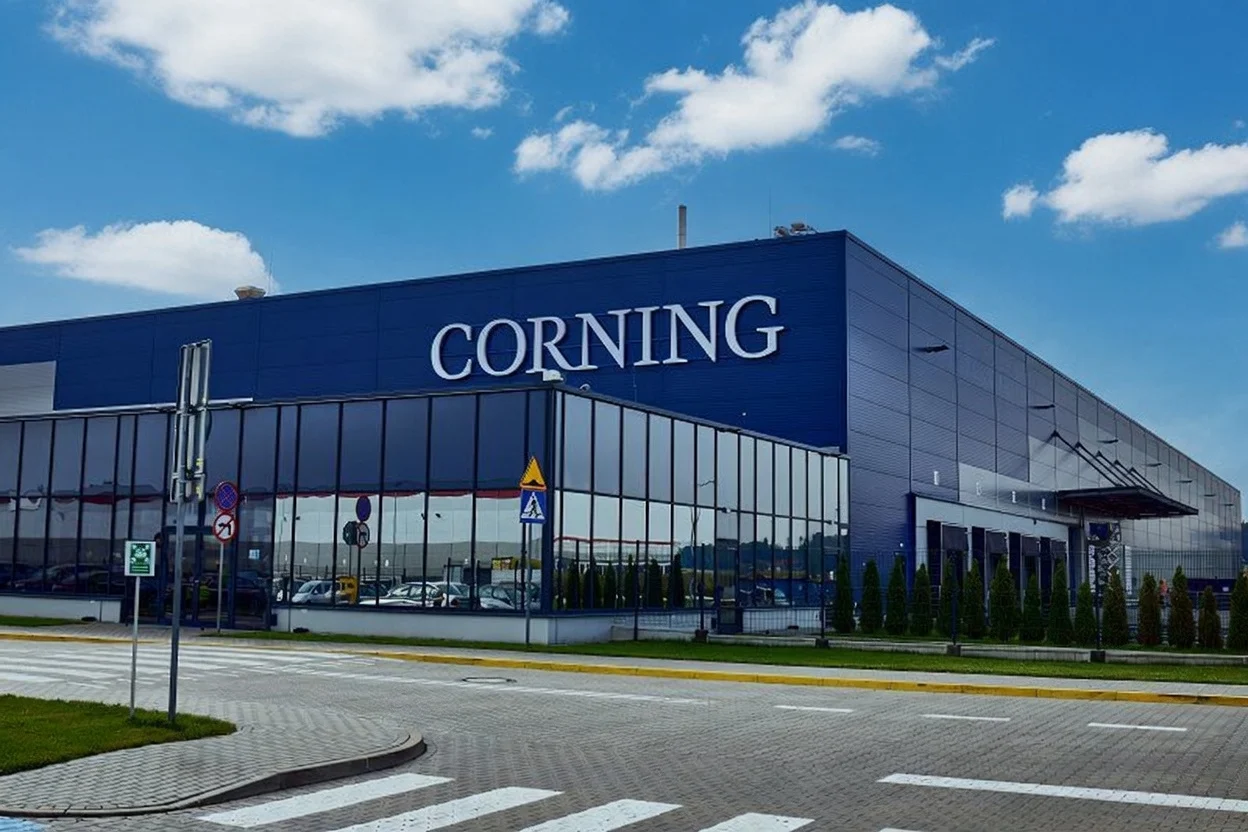
Zayo has finalized an extended fiber optic cable procurement arrangement with Corning (GLW), guaranteeing access to essential materials for what represents one of its most ambitious infrastructure expansions to date.
Shares of Corning declined 4.65% to close at $152.46 following the announcement, with extended trading sessions reflecting an additional slide to $152.21.
The supply commitment extends through 2030 and encompasses a substantial volume of the fiber optic materials Zayo anticipates requiring throughout this timeframe. This strategic agreement effectively eliminates a significant supply chain vulnerability from Zayo’s extensive infrastructure development roadmap.
Zayo’s expansion blueprint calls for adding 15,000 route miles to its existing infrastructure footprint before the decade concludes. Over 8,000 of these miles will consist of newly constructed long-haul fiber networks, developed through a strategic alliance with NVIDIA.
Chief Executive Officer Steve Smith explained that artificial intelligence infrastructure demands are fundamentally transforming the geographic distribution and velocity of network capacity deployment. Securing fiber procurement commitments upfront, he emphasized, ensures material constraints won’t impede project timelines.
Artificial intelligence serves as the primary catalyst driving this agreement. Data center operators and cloud infrastructure providers are requiring unprecedented volumes of fiber optic cable, delivered with greater speed and density than traditional deployment models. These escalating demands are creating ripple effects throughout raw material procurement channels.
Artificial Intelligence Revolutionizing Infrastructure Strategy
Corning’s Senior Vice President Steve Mitchell noted that AI applications are substantially increasing both the volume and concentration of fiber optic infrastructure required throughout modern networks. He characterized the partnership as merging Corning’s photonic innovation with Zayo’s network deployment capabilities to construct physical AI infrastructure at unprecedented scale.
Troy Lupe, serving as Zayo’s Chief Network Officer, emphasized that long-haul network deployment involves extensive planning cycles, regulatory approvals, and construction timelines spanning multiple years. Establishing guaranteed fiber procurement early in the process eliminates a crucial uncertainty from the development equation.
Zayo’s current infrastructure encompasses 32 million fiber miles and 224,000 route miles distributed throughout North America. The network reaches over 400 markets worldwide, providing connectivity services to telecommunications carriers, cloud service providers, data center operators, enterprise clients, educational institutions, and government entities.
Infrastructure Development Aligned With AI Evolution
The NVIDIA partnership represents a significant component of the expansion strategy. Over half the planned route mile additions connect to this long-haul infrastructure project, illustrating how hyperscale computing demand directly influences physical network capital allocation.
From Corning’s perspective, this represents an ongoing supply obligation rather than a discrete transaction. The arrangement provides the specialty glass manufacturer with enhanced demand visibility extending through the remainder of the decade, despite investor skepticism reflected in the day’s trading activity.
The partnership was formally disclosed through a press statement issued on August 20, 2026. Corning concluded the trading session at $152.46, representing a $7.44 decline for the day.
Get 3 Free Stock Ebooks
Discover top-performing stocks in AI, Crypto, and Technology with expert analysis.
- Top 10 AI Stocks - Leading AI companies
- Top 10 Crypto Stocks - Blockchain leaders
- Top 10 Tech Stocks - Tech giants


