


TLDR
- ECB is examining three models for bringing central bank money onto programmable financial networks.
- One option would allow the central bank to issue reserves directly on a programmable platform.
- ECB plans to retain the two-tier system involving central banks and commercial banks.
- Pontes connects DLT-based transactions with central bank settlement, while Appia studies longer-term market structures.
- UK financial institutions are also testing tokenized deposits and stablecoin-based settlement systems.
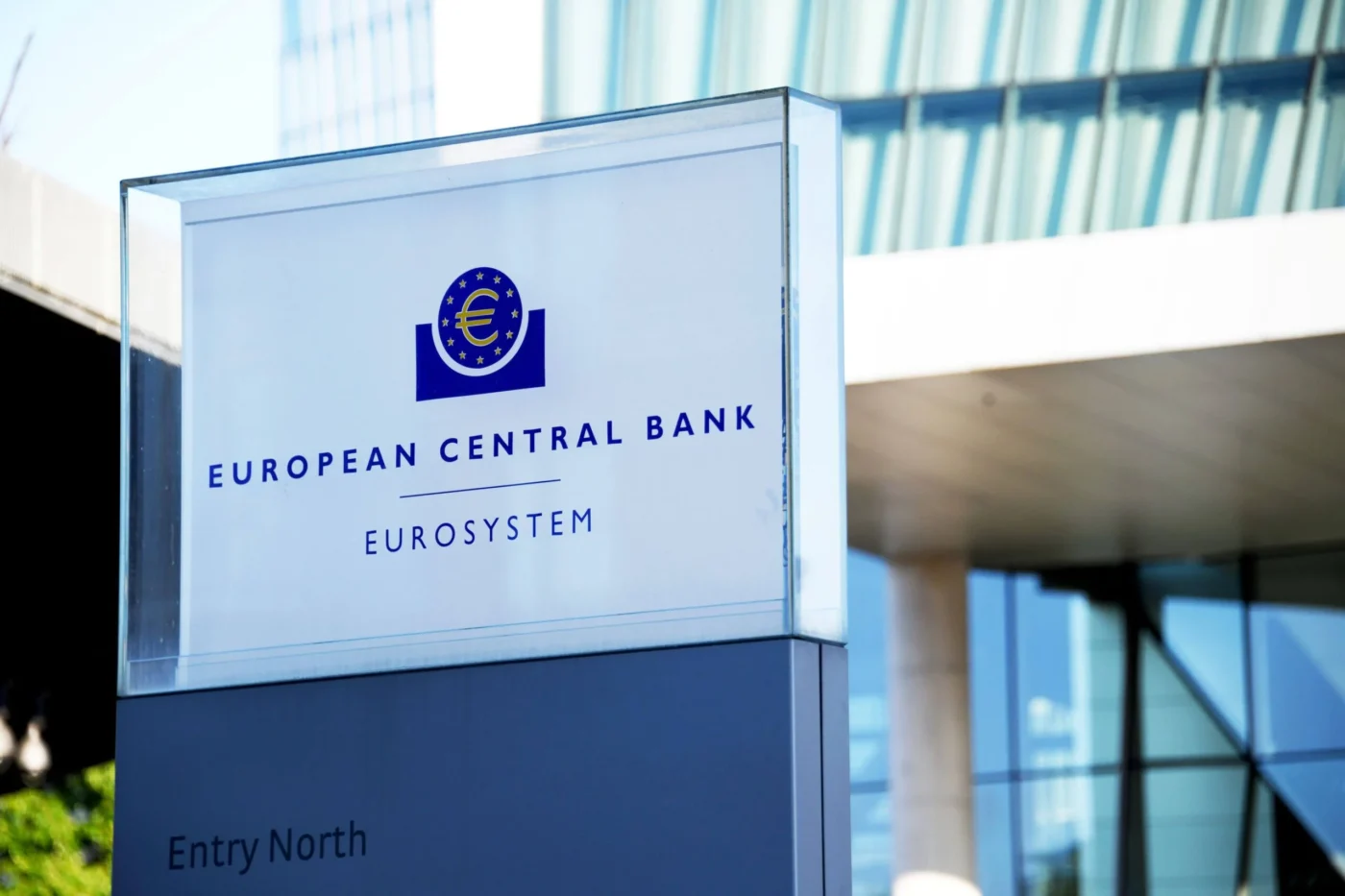
The ECB is studying three ways to bring central bank money onto programmable networks. Executive Board member Isabel Schnabel presented the options at the Bank of England’s Future of Money conference in London. The work focuses on how institutions could settle digital assets with central bank money.
One model would let the central bank issue reserves directly on a programmable platform. Another would keep the real-time settlement system and connect it to distributed ledger technology through a linking layer. A third would support private settlement tokens with full reserve backing at the central bank.
Two-Tier Banking Model Stays in Place
Schnabel said the ECB wants to preserve the two-tier monetary structure. Central bank money would remain the core settlement asset, while commercial banks would keep providing deposits and financial services. Recent work on tokenized stock trading standards shows how traditional finance is testing blockchain-based market structures.
The proposed setup could place central bank money beside tokenized securities, bank deposits and stablecoins on connected networks. Schnabel said programmable settlement could allow an asset transfer and its payment to happen together. That process can reduce separate steps between trading and settlement systems.
Tokenization Activity Grows Across Finance
Interest in tokenization is rising among UK financial institutions. Lloyds’ survey found that 71% of senior decision-makers expect tokenization to reshape financial services. Faster payments and settlement ranked as the leading benefit, while respondents also pointed to better collateral and liquidity management.
Banks are testing new settlement methods. A recent stablecoin settlement pilot between Lloyds and Visa moved payment obligations across blockchain networks and tested round-the-clock settlement. Such trials show how banks are examining digital money alongside existing payment systems rather than replacing those systems at once.
Pontes and Appia Shape Next Stage
The ECB has started applying parts of its tokenization plan through Pontes, which connects distributed ledger platforms with central bank settlement infrastructure. At the same time, current debate around MiCA stablecoin rules shows that private digital money remains part of Europe’s policy discussion as tokenized markets develop.
Appia takes a longer-term approach. The project is studying a unified ledger, connected networks, and several shared ledgers for future tokenized markets. Together, Pontes and Appia give the ECB separate paths for testing near-term settlement links and designing broader market infrastructure for central bank money and tokenized assets.
Get 3 Free Stock Ebooks
Discover top-performing stocks in AI, Crypto, and Technology with expert analysis.
- Top 10 AI Stocks - Leading AI companies
- Top 10 Crypto Stocks - Blockchain leaders
- Top 10 Tech Stocks - Tech giants


