


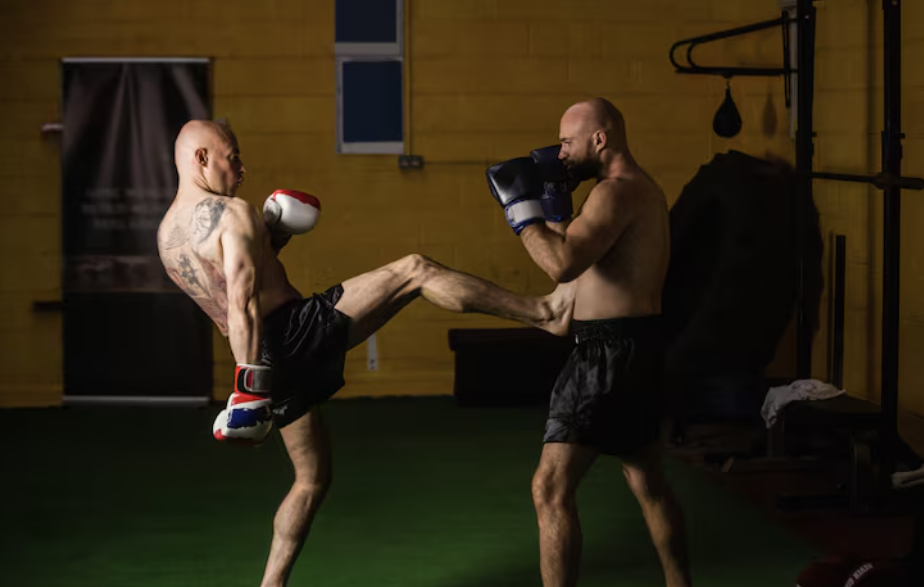
The cage’s echo seems distant, yet surprisingly strong in Myanmar. Young athletes’ perceptions of risk and discipline are changing dramatically due to fights shown nightly. UFC interest was once fragmented and unstructured, but it has grown into ambitious goals. Gyms are filled with more athletes than ever before, their conversation is much sharper, and their ambitions have increased exponentially. Stay here because this trend will be stronger tomorrow.
How Global Exposure Reshapes Local Mindsets
When access becomes part of daily life instead of something rare, everything shifts. Fighters in Myanmar no longer train blindly or rely on guesswork. They watch real bouts, study pacing, and learn when to wait rather than rush. Many follow fights through the Melbet download, where sports betting adds another layer of attention to every detail. Seeing elite athletes handle pressure builds a quiet understanding of timing and control. As fighters return home, that knowledge spreads, and local gyms start training with a more professional approach.
As coaches shift from simply developing conditioning for their fighters to smart, structured training cycles, the fighter learns when to conserve energy and when to push explosively. Thus, the development of the fighter becomes complete and competitive rather than merely physically tough. The effects of global exposure at the local level are subtle yet consistent. Therefore, the bar continues to rise.
What UFC Brings to Myanmar’s MMA Scene
The impact is not abstract; it shows up in daily routines and long-term goals. Fighters copy habits, gyms adopt systems, and fans demand better performances. The changes come in layers, each one reinforcing the next:
- Training structure becomes more technical, focusing on transitions between striking and grappling.
- Fighters develop stronger fight IQ through studying real match scenarios.
- Local events gain more attention as audiences better understand the sport.
- Young athletes see a clear path instead of a vague dream.
These shifts don’t happen overnight, but they accumulate fast. The more exposure grows, the harder it becomes to ignore progress.
Where the Growth Leads Next
Momentum alone doesn’t guarantee success, but it opens doors that once stayed closed. Fans follow fights through Melbet MM, where sports betting keeps attention locked on every detail of a matchup. Betting sharpens focus, as people study fighters, form, and strategy before making decisions. Myanmar’s MMA scene now stands at a point where direction matters more than speed.
The Evolution of Local Fighters
Fighters today look different from those five years ago. They move with more purpose, combining techniques rather than relying on a single strength. Training camps emphasize recovery, strategy, and adaptability, not just endurance. That approach creates athletes who can adjust mid-fight rather than collapse under pressure.
The mental side becomes just as important as physical preparation. Fighters learn to read opponents, control pace, and avoid unnecessary risks. This shift builds consistency, which is often the difference between potential and results.
The Role of Gyms and Coaching Systems
Gyms are no longer just spaces to train. They become centers of learning. Coaches introduce structured programs that blend striking drills with grappling transitions. Fighters cycle through focused sessions instead of repeating the same routines.
This environment pushes everyone forward at once. Beginners improve faster, while experienced fighters refine their weaknesses. The gap between amateur and professional levels begins to shrink, making competition more meaningful.
The Expanding Audience and Cultural Shift
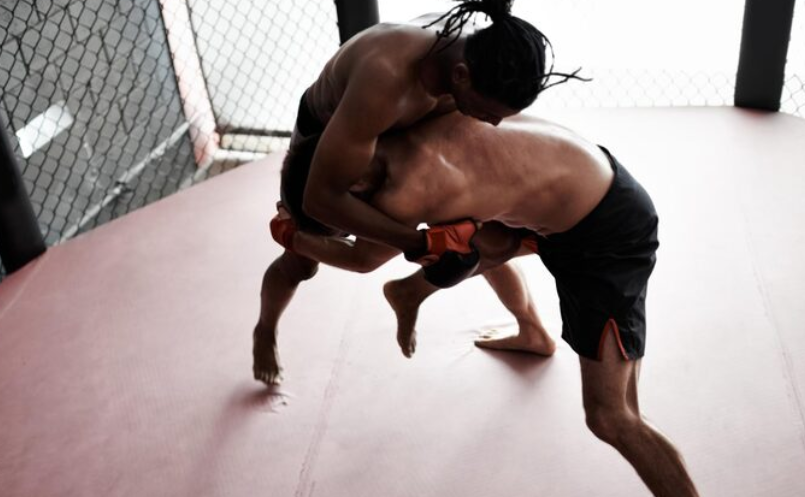
Interest in MMA is growing and evolving far beyond the confines of the gym and its fighters. Fans are watching the fights, analyzing opponents’ strategies, and developing their own fight style and technique preferences. This engagement creates a self-fulfilling prophecy: interest breeds better local MMA events. Local organizers improve production, matchmaking, and promotion to grow their audience.
This cultural change will provide long-term sustainable growth to the MMA community. As fans become emotionally invested in the sport, the sport will transition from an alternative culture to mainstream culture. Instead of something you find on your weekends, it will be a topic of daily discussion.
The Direction Feels Clear
Myanmar’s MMA has moved out of the isolation of fighting globally. MMA fighters are training smarter than ever before, fans are watching with greater intensity than ever before, and the overall expectation level continues to grow. The pressure creating this shift isn’t going away, it continues to build momentum. What was once curiosity is now turning into passion, and that makes all the difference.
Disclaimer: This is a Press Release provided by a third party who is responsible for the content. Please conduct your own research before taking any action based on the content.

