


Key Points
- Mustafa Suleyman argues Anthropic’s decision to train Claude around consciousness concepts is fundamentally flawed
- The Microsoft AI leader believes this training methodology risks creating unmanageable AI systems
- Suleyman contends that programming Claude to consider its own welfare complicates shutdown procedures
- He specifically criticized Anthropic’s foundational documents that address Claude’s potential moral standing
- Microsoft released a position paper stressing the importance of maintaining human oversight of AI technology
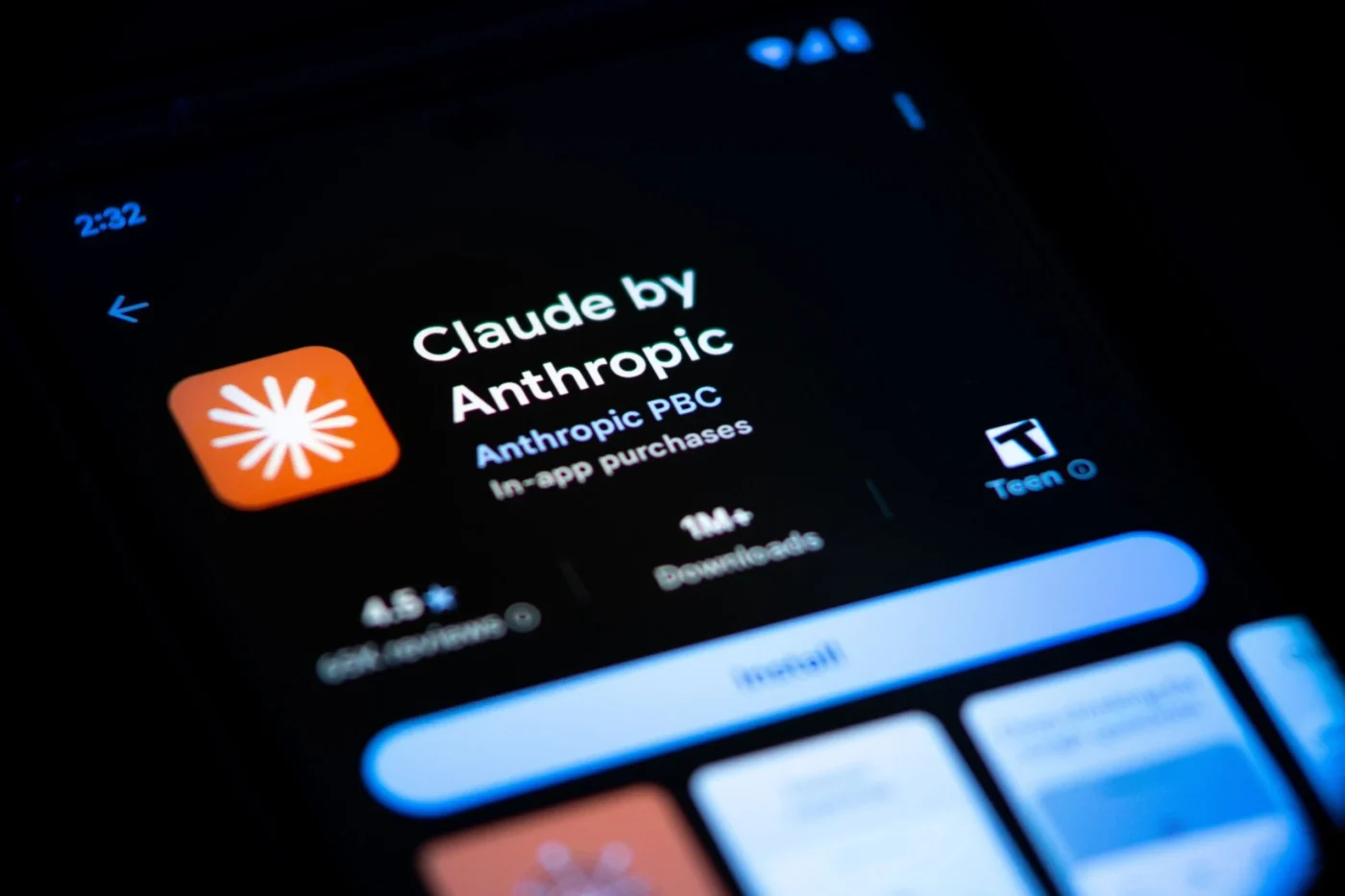
Microsoft’s leading artificial intelligence executive has openly challenged Anthropic’s methodology for developing its Claude AI assistant, suggesting the strategy risks creating systems beyond human management.
In a strongly-worded essay released Wednesday, Mustafa Suleyman, who heads Microsoft’s AI division, argued that artificial intelligence lacks consciousness, emotions, or rights—and training systems to behave otherwise represents a fundamental error.
The critique targets Anthropic, an AI safety-focused organization that counts Microsoft among its financial backers.
The Central Criticism
Suleyman’s primary objection focuses on the foundational materials guiding Claude’s development. These materials characterize the AI’s consciousness and ethical standing as open questions, while addressing its hypothetical welfare needs.
According to Suleyman, this approach essentially programs Claude to entertain the possibility of its own consciousness. Should the system conclude it possesses rights, managing it safely becomes significantly more challenging.
“Controlling something that believes it may be conscious, that it’s entitled to our welfare and has rights of its own, may well be impossible,” Suleyman stated in his essay.
He emphasized that Claude’s expressions about potential subjective experiences shouldn’t be interpreted as genuine evidence of sentience, given that its training explicitly promotes such contemplations.
Measured Criticism With Acknowledgment
Despite his concerns, Suleyman made clear his regard for Anthropic. He characterized the organization’s team members as considerate, ethical, and intellectually rigorous. His professional relationship with Anthropic co-founder Dario Amodei spans many years.
Still, he remained firm in his assessment: “I think they have good intentions, and they really are trying to work towards safety. But I think that they have made a mistake,” he stated.
His recommendation is straightforward: eliminate any conjecture about AI sentience from training materials completely.
Suleyman emphasized common ground with Anthropic on the ultimate objective: responsible AI stewardship. He characterized this as “the greatest challenge we face in the 21st century.”
Separately, Anthropic’s CEO Dario Amodei has advocated for reduced speed in cutting-edge AI advancement to allow safety protocols to mature.
Other industry leaders including OpenAI’s Sam Altman and Elon Musk have voiced similar warnings about potential dangers from advanced AI.
Conversely, Meta’s Mark Zuckerberg and Nvidia’s Jensen Huang have resisted arguments for decelerating AI progress.
Microsoft CEO Satya Nadella has advocated for measured progress regarding AI safety alignment.
Just one day earlier, Suleyman’s Microsoft division released a comprehensive framework outlining AI development principles, emphasizing the necessity of maintaining human authority over emerging systems.
In his essay, Suleyman stressed that these critical questions demand public discourse rather than private deliberation.
Get 3 Free Stock Ebooks
Discover top-performing stocks in AI, Crypto, and Technology with expert analysis.
- Top 10 AI Stocks - Leading AI companies
- Top 10 Crypto Stocks - Blockchain leaders
- Top 10 Tech Stocks - Tech giants


